
Eco-Conscious Consumers Spark Surge in Recycled Gold Demand
Featured
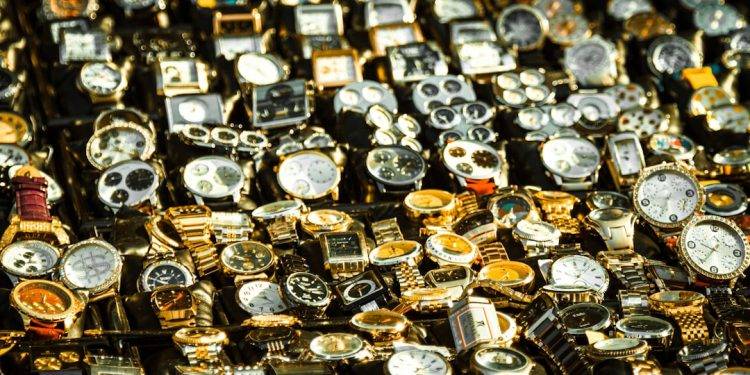
The jewelry industry is witnessing a significant shift as recycled gold gains traction. Driven by increasing environmental awareness among consumers and jewelers alike, the demand for gold that sidesteps traditional mining practices is on the rise, signaling a potential reshaping of the gold supply chain.
The Allure of Recycled Gold: A Sustainable Sparkle
For years, the jewelry sector has grappled with the environmental and social implications of gold mining. From deforestation and habitat destruction to human rights concerns, the extraction of new gold carries a heavy ethical burden. Recycled gold, sourced from pre-existing jewelry, industrial scrap, and electronic waste, presents a compelling alternative, offering a way to create beautiful and valuable pieces without contributing to these harmful practices. This aligns directly with the core principles outlined in the Sourcing Integrity and Verification Protocol, which emphasizes responsible and ethical sourcing throughout the jewelry supply chain.
Consumer Demand: A Driving Force
The increasing demand for recycled gold is largely fueled by a new generation of consumers who are deeply concerned about the environmental and social impact of their purchases. They are actively seeking out brands and products that align with their values, and recycled gold fits perfectly into this framework. These consumers are willing to pay a premium for jewelry that is both beautiful and ethically sourced, making recycled gold an attractive option for jewelers looking to cater to this growing market segment.
Furthermore, the rise of social media and online platforms has empowered consumers to research and share information about the products they buy. This increased transparency has put pressure on jewelers to be more transparent about their sourcing practices and to adopt more sustainable business models. Recycled gold offers a tangible way for jewelers to demonstrate their commitment to sustainability and to build trust with their customers. This resonates strongly with the strategies discussed in the Jewelry Business Growth Playbook, which highlights the importance of aligning business practices with consumer values.
Jewelers Embracing the Change
Many jewelers are now actively incorporating recycled gold into their collections, recognizing the growing demand and the positive impact it has on their brand image. Some are even specializing in recycled gold jewelry, creating unique and sustainable pieces that appeal to environmentally conscious consumers. This trend is not limited to small, independent jewelers; large, established brands are also starting to embrace recycled gold, signaling a significant shift in the industry.
For jewelers, sourcing recycled gold can be a complex process. It requires establishing relationships with reputable suppliers who can guarantee the authenticity and purity of the recycled material. However, the benefits of using recycled gold far outweigh the challenges. By incorporating recycled gold into their collections, jewelers can reduce their environmental footprint, appeal to a growing market of eco-conscious consumers, and enhance their brand reputation.
The Environmental Benefits: A Closer Look
The environmental benefits of using recycled gold are significant. Gold mining is a resource-intensive process that can have devastating impacts on the environment. It often involves the use of harmful chemicals, such as cyanide and mercury, which can contaminate water sources and harm wildlife. It also contributes to deforestation, soil erosion, and air pollution. By using recycled gold, jewelers can significantly reduce these environmental impacts.
Recycling gold requires significantly less energy and water than mining new gold. It also eliminates the need for harmful chemicals and reduces the amount of waste generated. Studies have shown that recycling gold can reduce greenhouse gas emissions by up to 99% compared to mining new gold. This makes recycled gold a much more sustainable option for jewelers and consumers who are concerned about the environment.
The Economic Implications: A Growing Market
The recycled gold market is not only environmentally friendly but also economically viable. As demand for recycled gold increases, the market is becoming more competitive, driving down prices and making it more accessible to jewelers. This is creating new opportunities for businesses that specialize in recycling and refining gold, as well as for jewelers who are looking to source sustainable materials.
The Global Jewelry Sourcing Index highlights the growing importance of sustainable sourcing practices in the jewelry industry. As consumers become more aware of the environmental and social impacts of their purchases, they are increasingly demanding transparency and accountability from jewelers. This is creating a market advantage for jewelers who are committed to sustainable sourcing practices, such as using recycled gold.
Challenges and Opportunities
While the recycled gold market is growing rapidly, there are still some challenges to overcome. One of the main challenges is ensuring the authenticity and purity of recycled gold. It can be difficult to trace the origin of recycled gold and to verify that it is not mixed with newly mined gold. This requires robust certification and verification systems to ensure that consumers can trust the recycled gold they are buying.
Another challenge is the limited availability of recycled gold. While the amount of recycled gold is increasing, it is still a relatively small percentage of the total gold supply. This means that jewelers who want to use recycled gold may have to pay a premium for it, or they may have to source it from less conventional sources, such as electronic waste.
Despite these challenges, the opportunities in the recycled gold market are significant. As demand for sustainable jewelry continues to grow, the market for recycled gold is expected to expand rapidly. This will create new opportunities for businesses that specialize in recycling and refining gold, as well as for jewelers who are committed to sustainable sourcing practices. Jewelers can capitalize on this trend by marketing their recycled gold jewelry to environmentally conscious consumers and by highlighting the environmental and social benefits of using recycled gold.
The Future of Gold: Sustainable and Ethical
The rise of recycled gold is a positive sign for the future of the jewelry industry. It demonstrates that consumers and jewelers are becoming more aware of the environmental and social impacts of their choices and that they are willing to embrace more sustainable practices. As demand for recycled gold continues to grow, it is likely to become an increasingly important part of the gold supply chain, helping to create a more sustainable and ethical jewelry industry.
The industry must continue to innovate and develop new technologies to improve the efficiency and effectiveness of gold recycling. This includes developing better methods for separating gold from electronic waste and for refining recycled gold to the highest purity standards. It also requires collaboration between jewelers, recyclers, and policymakers to create a more transparent and sustainable gold supply chain.
Beyond Gold: A Holistic Approach to Sustainability
While recycled gold represents a significant step forward, it’s crucial to remember that sustainability in jewelry extends beyond just the metal. Ethical sourcing of gemstones, responsible labor practices, and minimizing waste throughout the entire production process are all essential components of a truly sustainable approach. Consumers are increasingly looking for brands that demonstrate a commitment to these broader principles, and jewelers who embrace a holistic approach to sustainability will be best positioned to thrive in the long term.
Ultimately, the future of the jewelry industry depends on its ability to adapt to the changing demands of consumers and to embrace more sustainable and ethical practices. Recycled gold is just one piece of the puzzle, but it is a crucial piece that can help to create a more responsible and sustainable industry for generations to come. By embracing recycled gold and other sustainable practices, jewelers can not only reduce their environmental impact but also build stronger relationships with their customers and create a more positive and lasting legacy.
Transparency and Traceability: Key to Building Trust
The journey towards greater sustainability in the jewelry industry hinges on two critical elements: transparency and traceability. Consumers want to know where their jewelry comes from and how it was made. They want assurance that the materials used were sourced responsibly and that the workers involved were treated fairly. This necessitates a commitment to transparency at every stage of the supply chain, from the mine to the market.
Traceability, the ability to track the origin and journey of a material, is essential for verifying claims of sustainability and ethical sourcing. Technologies like blockchain are increasingly being used to create transparent and traceable supply chains for gold and other precious materials. By providing consumers with access to this information, jewelers can build trust and demonstrate their commitment to responsible practices. This level of transparency is not just a trend; it’s becoming a fundamental expectation in the modern jewelry market.
The Role of Certification and Standards
Various certification programs and standards are emerging to help jewelers demonstrate their commitment to sustainability. These certifications provide independent verification that a jeweler’s sourcing practices meet certain environmental and social criteria. Some of the more well-known certifications include the Responsible Jewellery Council (RJC) and Fairmined. While these certifications are not a silver bullet, they can provide consumers with a level of assurance and help jewelers to differentiate themselves in the market.
However, it’s important for consumers to do their research and understand the specific criteria that each certification covers. Some certifications focus primarily on environmental issues, while others focus on social issues or a combination of both. By understanding the different certifications, consumers can make informed choices and support jewelers who are truly committed to sustainability.
Looking Ahead: A Sustainable Future for Jewelry
The increased activity in the recycled gold market is a testament to the growing demand for sustainable jewelry. As consumers become more aware of the environmental and social impacts of their purchases, they are increasingly seeking out brands and products that align with their values. This is creating a significant opportunity for jewelers who are willing to embrace sustainable practices and to communicate their commitment to transparency and ethical sourcing.
The future of the jewelry industry depends on its ability to adapt to these changing demands and to create a more responsible and sustainable supply chain. By embracing recycled gold, ethical sourcing, and transparent practices, jewelers can not only reduce their environmental impact but also build stronger relationships with their customers and create a more positive and lasting legacy. The journey towards sustainability is an ongoing process, but the increased activity in the recycled gold market is a clear indication that the industry is moving in the right direction.