
Indian Jewelry Manufacturers Push for Tariff Reform to Fuel Export Boom
Featured

India’s jewelry manufacturing sector is urgently requesting a reduction in import duties on gold and other precious metals. Industry leaders believe that adjusting tariff structures will significantly enhance the country’s export competitiveness and stimulate economic growth within the sector.
A Plea for Policy Adjustment
The Gem and Jewellery Export Promotion Council (GJEPC), representing a significant portion of India’s jewelry industry, has formally appealed to the government to reconsider the existing import duties on gold, silver, and platinum. These duties, currently considered restrictive, are seen as hindering the industry’s potential to compete effectively in the global marketplace. The council argues that a reduction in these duties would not only boost exports but also attract foreign investment, create employment opportunities, and ultimately contribute to the overall economic prosperity of the nation.
“The current duty structure places Indian manufacturers at a disadvantage compared to their counterparts in other countries,” explains Vipul Shah, a leading figure in the GJEPC. “Lowering these barriers will level the playing field and allow us to capitalize on our skilled workforce and established infrastructure.”
The Economic Rationale
India’s jewelry sector is a vital contributor to the country’s economy, representing a substantial portion of its export earnings. The industry is also a major employer, providing livelihoods for millions of artisans, designers, and other professionals. However, the high cost of raw materials, driven by import duties, has made it increasingly difficult for Indian manufacturers to compete with rivals in countries like China, Thailand, and Italy, where duties are significantly lower or non-existent.
The GJEPC’s proposal is rooted in the belief that a reduction in import duties would lead to a surge in exports, offsetting any potential loss in revenue from the duties themselves. The increased export volume would generate higher foreign exchange earnings, stimulate economic activity, and create a more favorable environment for investment. This aligns with the principles outlined in the Jewelry Business Growth Playbook, which emphasizes strategic cost management and competitive pricing as key drivers of success.
Furthermore, a more competitive Indian jewelry industry would attract foreign investment in manufacturing facilities, technology upgrades, and skill development programs. This would further enhance the industry’s capabilities and strengthen its position in the global market. The Global Jewelry Sourcing Index highlights the importance of competitive pricing and supply chain efficiency in attracting international buyers.
Impact on Small and Medium Enterprises (SMEs)
The proposed reduction in import duties is expected to have a particularly positive impact on small and medium enterprises (SMEs), which form the backbone of India’s jewelry sector. These businesses often struggle to compete with larger players due to their limited access to capital and resources. Lower import duties would reduce their raw material costs, making them more competitive and enabling them to expand their operations. This aligns with the goals of promoting inclusive growth and supporting entrepreneurship within the Indian economy.
“SMEs are the lifeblood of our industry, and they are the ones who will benefit most from this policy change,” says Rajesh Exports, a prominent jewelry manufacturer. “Lower duties will allow them to compete on a more level playing field and create more jobs in rural areas.”
The Global Context
The Indian jewelry sector operates in a highly competitive global environment, where countries are constantly striving to gain an edge. Many of India’s competitors have implemented policies to support their domestic industries, including lower import duties on raw materials. By reducing its own duties, India would be taking a step towards leveling the playing field and ensuring that its manufacturers can compete effectively.
The reduction in import duties would also align India with international best practices. Many countries have recognized the importance of free trade and open markets in promoting economic growth. By embracing these principles, India would be signaling its commitment to a more liberal and integrated global economy.
Addressing Concerns
While the proposed reduction in import duties has received widespread support from the jewelry industry, there are also some concerns that need to be addressed. One concern is that lower duties could lead to an increase in gold smuggling and other illicit activities. To mitigate this risk, the government would need to strengthen its enforcement mechanisms and implement stricter controls on the movement of gold across borders. The Sourcing Integrity and Verification Protocol provides a framework for ensuring ethical and transparent sourcing practices, which can help to combat illicit activities.
Another concern is that lower duties could negatively impact government revenue. However, the GJEPC argues that the increase in export volume would more than offset any potential loss in revenue. Furthermore, the government could explore other revenue-generating measures, such as increasing taxes on luxury goods or implementing a value-added tax (VAT) on jewelry sales.
Looking Ahead
The Indian jewelry sector is at a critical juncture. The industry has the potential to become a global leader, but it needs the right policy support to realize its full potential. A reduction in import duties on gold and other precious metals would be a significant step in the right direction. It would boost exports, attract investment, create jobs, and ultimately contribute to the overall economic prosperity of the nation.
The government is currently considering the GJEPC’s proposal, and a decision is expected in the coming months. If the government approves the reduction in import duties, it would be a major victory for the Indian jewelry sector and a testament to the power of advocacy and collaboration.
Conclusion
The Indian jewelry industry’s call for reduced import duties reflects a strategic effort to enhance global competitiveness, foster economic growth, and support the livelihoods of millions. By addressing concerns and implementing appropriate safeguards, India can unlock the full potential of its jewelry sector and solidify its position as a leading player in the global market.
Expert Commentary
Industry analysts suggest that the government’s decision will hinge on a comprehensive assessment of the potential economic benefits and risks. A favorable outcome could usher in a new era of growth and innovation for the Indian jewelry sector, while a rejection could further constrain its competitiveness in the global arena.
Next Steps
The GJEPC is actively engaging with government officials and stakeholders to advocate for its proposal. The council is also conducting research and analysis to demonstrate the potential economic benefits of reduced import duties. The industry remains optimistic that the government will recognize the importance of supporting the jewelry sector and take the necessary steps to create a more favorable business environment.
Recommended products
-
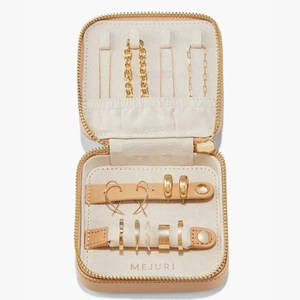
Travel Case Beige Grain Leather, Anti-tarnish Microsuede
Jewelry Case is compact enough to fit in your purse or luggage. And like our fin…
0 reviews
Accessories Only a few left -
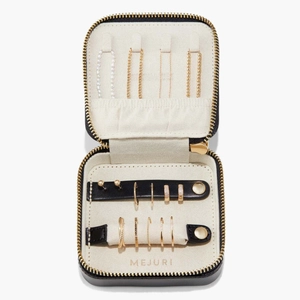
Travel Case Black Grain Leather, Anti-tarnish Microsuede
Made to move with you, wherever you go. The Jewelry Case is compact enough to fi…
0 reviews
Accessories Only a few left -

11.47 Ct. create you own
This dark green pear shaped diamond is very rare. The Ebooom laboratory has grow…
0 reviews
Create You Own Only a few left -
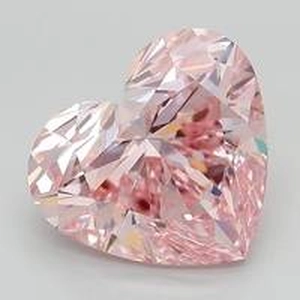
6.0 Ct. create you own
This light pink heart-shaped diamond was customized by Lily Li, a customer from …
0 reviews
Create You Own Only a few left