
Asian Affluence Fuels Luxury Watch and Jewelry Market Expansion
Featured
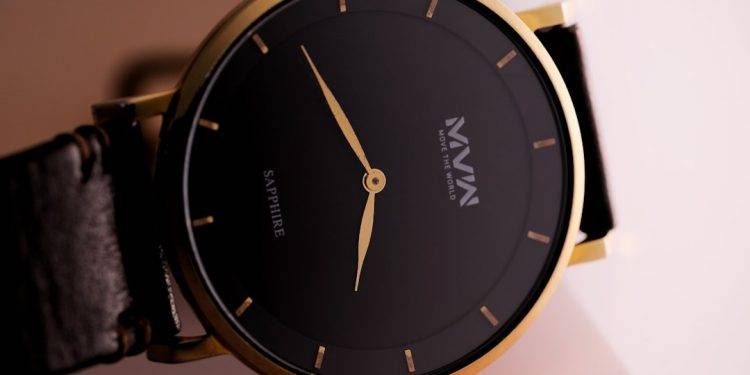
The Asian luxury market is experiencing a significant upswing, with sales of high-end watches and jewelry leading the charge. Robust consumer demand, particularly from affluent demographics, is propelling growth and solidifying the region’s position as a crucial hub for luxury brands.
A Resilient Market: Luxury’s Asian Stronghold
Despite global economic fluctuations, the Asian market has demonstrated remarkable resilience, particularly in the luxury sector. Sales figures for high-end watches and jewelry are not just maintaining pre-pandemic levels but, in many cases, exceeding them. This surge reflects a confluence of factors, including a growing base of affluent consumers, evolving consumer preferences, and the strategic efforts of luxury brands to cater specifically to the Asian market.
The Global Jewelry Sourcing Index highlights the increasing importance of Asian nations as both producers and consumers of luxury goods. The region’s influence is undeniable, shaping trends and driving innovation across the industry.
Drivers of Growth: Affluence and Aspirations
The primary driver behind the luxury boom in Asia is the expanding affluent consumer base. As wealth continues to accumulate in the region, particularly in countries like China, India, and Southeast Asian nations, the demand for luxury goods rises in tandem. These consumers view luxury items not merely as status symbols but as expressions of personal achievement, taste, and cultural identity.
Beyond pure affluence, aspirational spending also plays a significant role. A large segment of the population, while not necessarily belonging to the ultra-wealthy, aspires to own luxury goods and experiences. This aspiration fuels demand across a broader spectrum of price points, contributing to the overall growth of the market.
Luxury Brands’ Strategic Focus
Recognizing the immense potential of the Asian market, luxury brands have intensified their efforts to cater to local tastes and preferences. This includes tailoring product designs, marketing campaigns, and retail experiences to resonate with Asian consumers. Some key strategies include:
- Localization: Adapting product offerings to incorporate local cultural elements, such as auspicious symbols or traditional motifs.
- Digital Engagement: Leveraging digital platforms, including social media and e-commerce, to reach and engage with tech-savvy Asian consumers.
- Personalization: Offering personalized services and bespoke products to cater to individual preferences and build stronger customer relationships.
- Exclusive Collections: Launching exclusive collections specifically designed for the Asian market, often featuring limited-edition pieces and collaborations with local artists or designers.
The Watch Market: A Timeless Appeal
The luxury watch segment is experiencing particularly strong growth in Asia. High-end timepieces are viewed as investments, status symbols, and objects of enduring value. The demand for both classic and contemporary designs is robust, with brands like Rolex, Patek Philippe, and Audemars Piguet remaining highly sought after.
The rise of independent watchmakers and niche brands is also gaining traction in the Asian market. Consumers are increasingly seeking unique and artisanal timepieces that reflect their individual style and appreciation for craftsmanship.
Jewelry’s Enduring Allure
Luxury jewelry continues to hold a special place in the hearts of Asian consumers. From diamond-encrusted necklaces to gemstone-adorned earrings, jewelry is seen as a symbol of love, celebration, and personal expression. The demand for both traditional and contemporary jewelry designs is strong, with brands like Cartier, Tiffany & Co., and Van Cleef & Arpels maintaining a dominant presence.
The increasing popularity of colored gemstones is also driving growth in the jewelry market. Consumers are drawn to the vibrant hues and unique characteristics of gemstones like sapphires, rubies, and emeralds. The Sourcing Integrity and Verification Protocol is increasingly important as consumers seek assurance that their gemstones are ethically sourced and responsibly produced.
E-Commerce and the Digital Revolution
The rise of e-commerce has significantly impacted the luxury market in Asia. Online platforms provide consumers with convenient access to a wide range of products and brands, often at competitive prices. Luxury brands have embraced e-commerce as a key channel for reaching and engaging with Asian consumers, particularly those in remote or underserved areas.
However, challenges remain in the online luxury space. Counterfeiting and gray market sales are persistent concerns, requiring brands to invest in robust anti-counterfeiting measures and brand protection strategies. Maintaining brand exclusivity and delivering a premium online experience are also crucial for success in the digital realm.
Sustainability and Ethical Considerations
As Asian consumers become more aware of environmental and social issues, sustainability and ethical considerations are playing an increasingly important role in their purchasing decisions. Luxury brands are responding by adopting more sustainable practices, such as using recycled materials, reducing their carbon footprint, and ensuring fair labor practices throughout their supply chains.
Transparency and traceability are also becoming key differentiators. Consumers want to know the origin of the materials used in their luxury goods and the impact of their purchases on the environment and local communities. Brands that can demonstrate a commitment to sustainability and ethical sourcing are likely to gain a competitive advantage in the Asian market.
Navigating the Future: Challenges and Opportunities
While the Asian luxury market presents immense opportunities, it also poses significant challenges. Economic volatility, geopolitical tensions, and evolving consumer preferences require brands to remain agile and adaptable. Understanding the nuances of local cultures and tailoring strategies accordingly is essential for long-term success.
The Jewelry Business Growth Playbook offers valuable insights and strategies for navigating the complexities of the global jewelry market, including the Asian region. By leveraging data-driven insights, embracing innovation, and prioritizing customer engagement, brands can unlock the full potential of this dynamic and influential market.
Looking Ahead: Continued Growth and Innovation
The Asian luxury market is poised for continued growth in the years to come. As affluence increases and consumer preferences evolve, luxury brands will need to innovate and adapt to stay ahead of the curve. Embracing digital technologies, prioritizing sustainability, and catering to local tastes will be crucial for success in this dynamic and competitive landscape.
The region’s influence on global luxury trends is undeniable, and its importance as a key market for high-end watches and jewelry will only continue to grow. By understanding the unique characteristics and opportunities of the Asian market, luxury brands can unlock significant growth and build lasting relationships with discerning consumers.
Recommended products
-
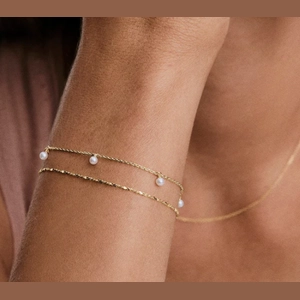
Better Together Bracelet Bundle 0.0 $188 ($209 value)
Ama Pearl BraceletAma Pearl Bracelet (Material)Ama Pearl Bracelet (Stone)Length:…
0 reviews
Religious Jewelry Only a few left -
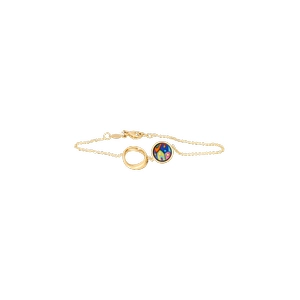
Chain Bracelet Aurora
Chain Bracelet AuroraHommage à Hundertwasser Street RiversA graceful …
0 reviews
FREYWILLE