
De Beers Leverages Blockchain to Fortify Diamond Supply Chain Transparency
Featured
De Beers, a major player in the diamond industry, is making a significant investment in blockchain technology. This move aims to bolster the traceability of diamonds and reinforce the integrity of its supply chain, ultimately providing consumers with greater assurance regarding the origin and ethical sourcing of their gems.
Blockchain: A Technological Bulwark Against Opaque Practices
In an era where consumers are increasingly demanding transparency and ethical sourcing, the diamond industry faces mounting pressure to demonstrate the provenance of its products. For years, concerns surrounding conflict diamonds and opaque supply chains have cast a shadow over the sector. Blockchain technology, with its immutable and transparent ledger system, offers a powerful tool to combat these issues and build consumer trust.
De Beers’ investment in blockchain is not merely a technological upgrade; it’s a strategic response to the evolving demands of the market. By leveraging this technology, the company seeks to create a secure and verifiable record of a diamond’s journey, from its initial discovery to its final setting in a piece of jewelry. This end-to-end traceability provides consumers with unprecedented access to information about their diamonds, fostering confidence and mitigating concerns about unethical practices.
Tracing Diamonds from Mine to Market
The implementation of blockchain technology in the diamond supply chain involves creating a digital record for each diamond, capturing key information such as its origin, carat weight, cut, color, and clarity. This information is then securely stored on the blockchain, making it virtually impossible to tamper with or alter. As the diamond moves through the various stages of the supply chain – from mining and cutting to polishing and distribution – each transaction is recorded on the blockchain, creating a comprehensive and transparent audit trail.
This level of traceability offers significant benefits for all stakeholders in the diamond industry. For miners, it provides a mechanism to demonstrate the ethical and responsible sourcing of their diamonds, differentiating them from competitors who may not adhere to the same standards. For manufacturers and retailers, it offers a way to verify the authenticity of their diamonds and ensure that they are not inadvertently supporting unethical practices. And for consumers, it provides the peace of mind knowing that their diamond has been sourced responsibly and ethically.
Building Consumer Confidence in a Digital Age
In today’s digital age, consumers have access to more information than ever before. They are increasingly aware of the social and environmental impact of their purchasing decisions and are actively seeking out brands that align with their values. The diamond industry, with its historical challenges related to transparency and ethical sourcing, must adapt to meet these evolving consumer expectations. Blockchain technology offers a powerful tool to address these challenges and build consumer confidence.
By providing consumers with access to verifiable information about the origin and ethical sourcing of their diamonds, blockchain can help to dispel negative perceptions and foster trust in the industry. This increased transparency can also help to differentiate ethically sourced diamonds from those that may have been obtained through unethical or illegal means. As consumers become more informed and empowered, they are more likely to choose diamonds that align with their values, driving demand for ethically sourced and transparently tracked gems.
De Beers’ Tracr Platform: A Pioneering Initiative
De Beers has been at the forefront of blockchain adoption in the diamond industry with its Tracr platform. This platform utilizes blockchain technology to track diamonds throughout the entire value chain, from mine to retail. Tracr creates a digital twin for each diamond, capturing its unique characteristics and tracking its movement through the supply chain. This allows De Beers and its partners to verify the authenticity and provenance of diamonds, ensuring that they meet the highest ethical and environmental standards.
The Tracr platform is open to all participants in the diamond industry, from miners and manufacturers to retailers and consumers. By collaborating with stakeholders across the value chain, De Beers aims to create a unified and transparent system for tracking diamonds. This collaborative approach is essential for building trust and ensuring the long-term sustainability of the diamond industry. The Sourcing Integrity and Verification Protocol underscores the importance of such collaborative efforts in maintaining ethical standards.
Beyond Traceability: The Broader Implications of Blockchain
While the primary focus of blockchain adoption in the diamond industry is on traceability and transparency, the technology also has the potential to unlock a range of other benefits. For example, blockchain can be used to streamline supply chain processes, reduce costs, and improve efficiency. By automating tasks such as inventory management and payment processing, blockchain can help to eliminate manual errors and speed up transactions.
Furthermore, blockchain can be used to enhance the security of the diamond supply chain. By creating an immutable record of each transaction, blockchain can help to prevent fraud and counterfeiting. This is particularly important in the diamond industry, where the high value of the product makes it a target for criminals. The Global Jewelry Sourcing Index provides valuable insights into the security and ethical considerations of various sourcing locations.
Challenges and Opportunities
Despite the significant potential of blockchain technology, there are also challenges to its widespread adoption in the diamond industry. One of the main challenges is the need for standardization. In order for blockchain to be truly effective, all participants in the supply chain must agree on a common set of data standards and protocols. This requires collaboration and cooperation across the industry, which can be difficult to achieve given the diverse range of stakeholders involved.
Another challenge is the cost of implementing blockchain technology. While the long-term benefits of blockchain may outweigh the initial investment, the upfront costs can be a barrier for some companies, particularly smaller businesses. However, as blockchain technology becomes more mature and widely adopted, the costs are likely to decrease, making it more accessible to a wider range of businesses.
Despite these challenges, the opportunities presented by blockchain technology are significant. By embracing blockchain, the diamond industry can enhance its transparency, build consumer trust, and create a more sustainable and ethical future. This aligns with the principles outlined in the Jewelry Business Growth Playbook, which emphasizes the importance of ethical practices for long-term success.
The Future of Diamond Sourcing
De Beers’ investment in blockchain technology signals a clear shift towards greater transparency and accountability in the diamond industry. As consumers become increasingly demanding of ethical sourcing and verifiable provenance, blockchain is poised to become an indispensable tool for ensuring the integrity of the diamond supply chain. This move not only benefits consumers by providing them with confidence in their purchases but also empowers responsible miners and manufacturers who adhere to the highest ethical standards.
The adoption of blockchain technology is not just a trend; it’s a fundamental transformation that will reshape the future of diamond sourcing. By embracing this technology, the diamond industry can create a more transparent, ethical, and sustainable future for all stakeholders. The journey towards complete transparency may be ongoing, but the investment in blockchain represents a significant step in the right direction, paving the way for a new era of trust and confidence in the diamond industry.
A Catalyst for Industry-Wide Change
The impact of De Beers’ initiative extends beyond its own operations, serving as a catalyst for industry-wide change. Other major players in the diamond sector are closely observing the results of this blockchain implementation, and many are exploring similar solutions to enhance their own supply chain transparency. This ripple effect is crucial for establishing a consistent standard of ethical sourcing and traceability across the entire industry.
As more companies adopt blockchain technology, the diamond industry will become increasingly interconnected and transparent. This will not only benefit consumers but also create a more level playing field for businesses that are committed to ethical and sustainable practices. The future of diamond sourcing hinges on the widespread adoption of technologies like blockchain, which empower consumers and promote accountability throughout the supply chain.
Recommended products
-
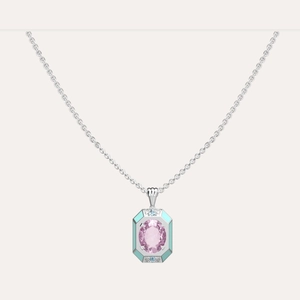
Artdeco Prism Diamond Pendant (Blue & Pink)
DetailsElevate your style with our Artdeco Prism Diamond Pendant, a testament to…
0 reviews
Associated Organization showcase -
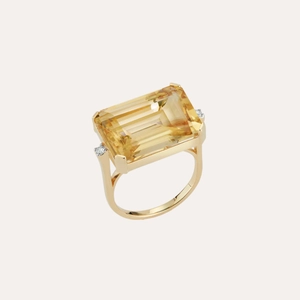
Candy Pop Diamond Ring
DetailsIntroducing the Candy Pop Diamond Ring - a modern twist on classic bling!…
0 reviews
Associated Organization showcase Only a few left -
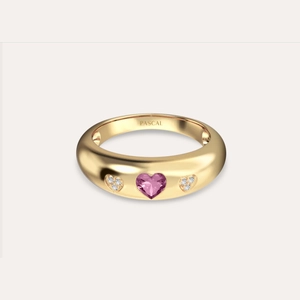
Guardian Heart Gemstone Diamond Promise Ring
DetailsThis dome ring features a heart-shaped element, with two small hearts set…
0 reviews
Associated Organization showcase -
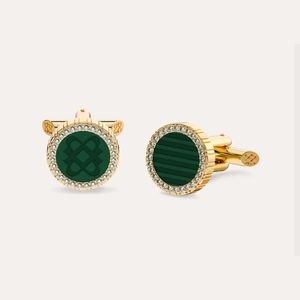
Classic Striped Diamond Cufflinks
DetailsThis classic and simple round cufflinks are designed in AB form. One of t…
0 reviews
Aurora fine jewelry