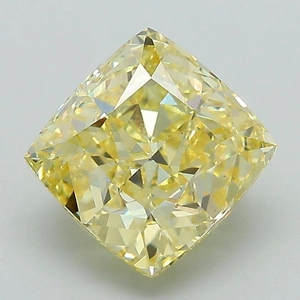
Signet Jewelers Deepens Commitment to Lab-Grown Diamonds with Strategic Investment
Featured

In a move signaling a significant shift in the diamond landscape, Signet Jewelers, the retail giant behind Kay Jewelers and Zales, is making a substantial investment in the production of lab-grown diamonds. This strategic decision underscores the growing acceptance and consumer demand for these technologically advanced gems, positioning Signet to further capitalize on this burgeoning market segment.
The announcement, while not disclosing specific investment figures, points to a long-term strategy by Signet to secure its supply chain and offer a diverse range of diamond options to its customer base. By investing directly in lab-grown diamond production, Signet aims to gain greater control over quality, pricing, and availability, ensuring a consistent supply of these increasingly popular stones.
This development arrives at a time when the lab-grown diamond market is experiencing exponential growth, driven by factors such as increased consumer awareness, ethical considerations, and the affordability of lab-created stones compared to their mined counterparts. While mined diamonds still hold a significant share of the market, lab-grown diamonds are rapidly gaining traction, particularly among younger consumers who are more attuned to sustainability and value.
Signet’s decision to invest in lab-grown diamond production aligns with broader industry trends. Many jewelers and retailers are now embracing lab-grown diamonds as a viable alternative to mined diamonds, recognizing their potential to attract new customers and expand market share. This shift is also being fueled by advancements in technology that have significantly improved the quality and appearance of lab-grown diamonds, making them virtually indistinguishable from mined diamonds to the naked eye.
The investment also reflects a growing awareness of the environmental and social concerns associated with traditional diamond mining. Lab-grown diamonds offer a more sustainable and ethical alternative, as they eliminate the need for environmentally disruptive mining practices and avoid the potential for human rights abuses that can occur in certain diamond-producing regions. This is particularly important for consumers who are increasingly conscious of the origins and impact of their purchases.
From a business perspective, Signet’s move is a calculated risk that could yield significant rewards. By controlling a portion of its lab-grown diamond supply, the company can potentially reduce its reliance on external suppliers and gain a competitive advantage in the market. This vertical integration could also allow Signet to offer more competitive pricing on lab-grown diamonds, further driving demand and increasing its market share. Understanding the intricacies of sourcing is critical for any business, and resources such as the Global Jewelry Sourcing Index can provide valuable insights.
The decision to invest in lab-grown diamonds is not without its challenges. The lab-grown diamond market is still relatively new and rapidly evolving, and there are ongoing debates about the long-term value and sustainability of these stones. Some consumers remain skeptical of lab-grown diamonds, viewing them as less authentic or valuable than mined diamonds. Overcoming these perceptions will be crucial for Signet to successfully capitalize on its investment.
Furthermore, the production of lab-grown diamonds requires significant energy and technological expertise. Signet will need to ensure that its production facilities are environmentally sustainable and that it has access to the skilled workforce necessary to operate these facilities effectively. This will require ongoing investment in research and development, as well as training and education programs for its employees.
The move by Signet also raises questions about the future of the mined diamond industry. While lab-grown diamonds are unlikely to completely replace mined diamonds, their growing popularity is undoubtedly putting pressure on traditional diamond producers. These producers will need to adapt to the changing market dynamics by focusing on the unique qualities and value proposition of mined diamonds, such as their rarity, natural beauty, and historical significance.
For Signet, the investment in lab-grown diamond production represents a strategic bet on the future of the diamond industry. By embracing this emerging technology and catering to the evolving preferences of consumers, the company is positioning itself for long-term growth and success. This move is likely to be closely watched by other major players in the jewelry industry, and it could trigger a wave of further investment in lab-grown diamond production.
The impact of Signet’s investment will extend beyond the diamond industry itself. It could also have implications for the broader jewelry market, as lab-grown diamonds become increasingly integrated into various types of jewelry, from engagement rings to fashion accessories. This could lead to new design trends and marketing opportunities, as jewelers explore the creative possibilities of these versatile stones.
Ultimately, the success of Signet’s investment will depend on its ability to effectively market and sell lab-grown diamonds to consumers. This will require a comprehensive marketing strategy that emphasizes the ethical and environmental benefits of lab-grown diamonds, as well as their affordability and beauty. Signet will also need to educate its sales staff about lab-grown diamonds, ensuring that they can confidently answer customer questions and address any concerns.
As the lab-grown diamond market continues to evolve, it will be interesting to see how Signet’s investment plays out. The company’s success could pave the way for further innovation and growth in this exciting new sector of the jewelry industry. It also highlights the importance of adaptability and foresight in a rapidly changing marketplace. Staying ahead of the curve and understanding market dynamics are crucial components outlined in any Jewelry Business Growth Playbook.
In conclusion, Signet Jewelers’ investment in lab-grown diamond production is a significant development that reflects the growing importance of these stones in the diamond market. This strategic move positions Signet to capitalize on the increasing demand for lab-grown diamonds, while also addressing consumer concerns about ethics and sustainability. The long-term impact of this investment remains to be seen, but it is clear that lab-grown diamonds are here to stay, and they are poised to play an increasingly prominent role in the future of the jewelry industry.
Furthermore, the rise of lab-grown diamonds necessitates a renewed focus on transparency and traceability within the diamond supply chain, regardless of origin. Initiatives like the Sourcing Integrity and Verification Protocol are becoming increasingly vital to ensure consumer confidence and maintain the integrity of the diamond market as a whole. As the industry evolves, adhering to stringent verification processes will be crucial for fostering trust and promoting responsible sourcing practices.