
Responsible Jewelry Programs Solidify Their Position in the Market
Featured
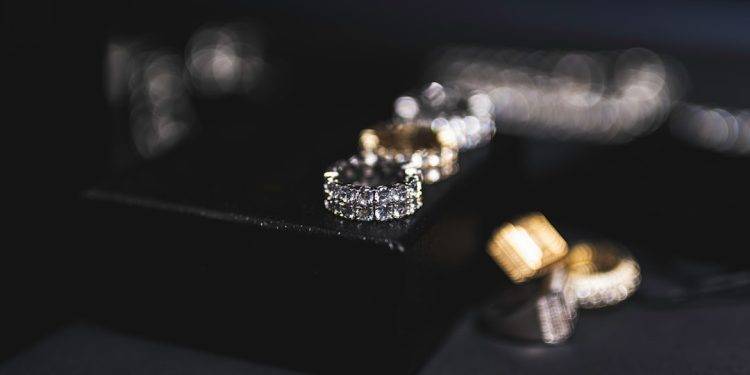
Consumer demand for ethically sourced and sustainably produced jewelry is driving significant growth in certification programs designed to provide assurance and transparency within the industry. These programs are becoming increasingly vital for jewelers looking to build trust and meet the evolving expectations of today’s socially conscious consumer.
The Rise of Certification in Jewelry
In recent years, the jewelry industry has witnessed a surge in the adoption of ethical sourcing certification programs. This trend reflects a broader shift in consumer behavior, with buyers increasingly concerned about the social and environmental impact of their purchases. Jewelry, often associated with significant emotional and financial investment, is no exception. Consumers want to know that their precious pieces have been produced responsibly, without contributing to human rights abuses or environmental degradation.
Certification programs offer a mechanism to verify that jewelry products meet specific standards related to ethical sourcing, environmental responsibility, and social welfare. These programs typically involve independent audits and assessments to ensure compliance with established criteria. By obtaining certification, jewelry companies can demonstrate their commitment to responsible practices and gain a competitive advantage in the marketplace. The Global Jewelry Sourcing Index highlights the importance of traceability and responsible sourcing for maintaining consumer confidence.
Key Aspects of Ethical Sourcing Certification
Ethical sourcing certification programs address a wide range of issues related to the jewelry supply chain, including:
- Human Rights: Ensuring fair labor practices, safe working conditions, and the absence of child labor throughout the supply chain.
- Environmental Protection: Minimizing the environmental impact of mining and manufacturing processes, including reducing pollution, conserving water resources, and protecting biodiversity.
- Conflict-Free Sourcing: Preventing the use of conflict minerals, which are mined in areas controlled by armed groups and used to finance violence and human rights abuses.
- Transparency and Traceability: Establishing systems to track the origin of materials and ensure transparency throughout the supply chain.
- Community Development: Supporting local communities affected by mining and manufacturing operations through economic development initiatives and social programs.
The Sourcing Integrity and Verification Protocol provides a framework for businesses to assess and improve their sourcing practices, aligning with industry best practices and consumer expectations.
Benefits of Certification for Jewelry Businesses
Adopting ethical sourcing certification programs offers numerous benefits for jewelry businesses:
- Enhanced Reputation: Certification demonstrates a commitment to responsible practices, enhancing the company’s reputation and building trust with consumers.
- Competitive Advantage: In an increasingly competitive market, certification can differentiate a company from its competitors and attract ethically conscious consumers.
- Improved Supply Chain Management: Certification programs often require companies to implement robust supply chain management systems, improving efficiency and reducing risks.
- Access to New Markets: Some retailers and consumers require certification as a condition of purchase, opening up new market opportunities for certified companies.
- Reduced Legal and Reputational Risks: By adhering to ethical sourcing standards, companies can minimize the risk of legal challenges and reputational damage associated with unethical practices.
- Increased Employee Morale: Employees are often more motivated to work for companies that are committed to ethical and sustainable practices.
The Jewelry Business Growth Playbook emphasizes the importance of sustainability and ethical practices as key drivers of long-term success in the industry.
Challenges and Considerations
While ethical sourcing certification programs offer significant benefits, there are also challenges and considerations to keep in mind:
- Cost: Obtaining and maintaining certification can be expensive, particularly for small businesses.
- Complexity: Navigating the various certification standards and requirements can be complex and time-consuming.
- Credibility: Not all certification programs are created equal, and it is important to choose a reputable and credible program.
- Greenwashing: Some companies may use certification as a marketing tool without genuinely committing to ethical practices.
- Supply Chain Complexity: The jewelry supply chain can be long and complex, making it difficult to trace the origin of materials and ensure compliance with ethical standards.
To address these challenges, it is essential for jewelry businesses to conduct thorough due diligence, choose reputable certification programs, and implement robust supply chain management systems. Collaboration among industry stakeholders, including governments, NGOs, and businesses, is also crucial to promote ethical sourcing and ensure the credibility of certification programs.
Examples of Ethical Sourcing Certification Programs
Several ethical sourcing certification programs are widely recognized and respected in the jewelry industry. These include:
- The Responsible Jewellery Council (RJC): The RJC is a leading certification organization that sets standards for responsible business practices throughout the jewelry supply chain, covering human rights, labor rights, environmental impact, and business ethics.
- Fairmined: Fairmined is a certification system that ensures that gold is mined responsibly by artisanal and small-scale mining organizations, providing fair prices and promoting community development.
- Kimberley Process Certification Scheme (KPCS): The KPCS is an international initiative that aims to prevent the trade in conflict diamonds by requiring participating countries to implement strict controls on the import and export of rough diamonds.
- Chain of Custody (CoC) Certification: CoC certification verifies that materials are tracked and segregated throughout the supply chain, ensuring that certified materials are not mixed with non-certified materials.
These programs, while not exhaustive, represent some of the key players in ensuring accountability and ethical conduct in the jewelry industry. Each program has its own specific focus and criteria, allowing businesses to select the one that best aligns with their values and operational needs.
The Future of Ethical Sourcing in Jewelry
The trend towards ethical sourcing in the jewelry industry is expected to continue to grow in the coming years. As consumers become more aware of the social and environmental impact of their purchases, they will increasingly demand transparency and accountability from jewelry companies. Certification programs will play an increasingly important role in providing assurance and building trust. Technological advancements, such as blockchain, are also emerging as potential tools for enhancing traceability and transparency in the jewelry supply chain.
Furthermore, increased regulatory scrutiny and pressure from NGOs are likely to drive further adoption of ethical sourcing practices. Companies that fail to address ethical concerns risk damaging their reputation and losing market share. By embracing ethical sourcing and certification, jewelry businesses can not only meet the expectations of today’s consumers but also contribute to a more sustainable and responsible industry.
In conclusion, ethical sourcing certification programs are no longer a niche trend but a mainstream requirement for jewelry businesses. By embracing responsible practices, companies can enhance their reputation, gain a competitive advantage, and contribute to a more sustainable and ethical industry. The continued growth and evolution of these programs will be crucial in shaping the future of the jewelry industry and ensuring that it meets the evolving expectations of consumers and stakeholders.
Recommended products
-
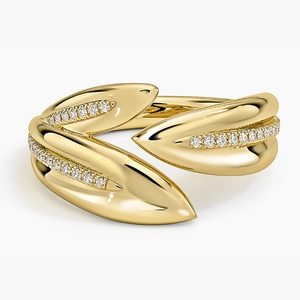
Jane Goodall Olive Branch Lab Diamond Ring (1/8 ct. tw.) in 14K Yellow Gold
Ring DetailsInspired by the symbolic olive branch, this pavé ring features a uni…
0 reviews
Special Especially Only a few left -
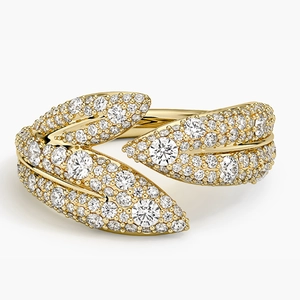
Jane Goodall Pavé Olive Branch Lab Diamond Ring (7/8 ct. tw.) in 14K Yellow Gold
Ring DetailsInspired by the symbolic olive branch, this ring features a unique o…
0 reviews
Special Especially Only a few left -
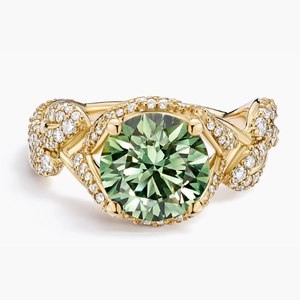
Jane Goodall Olive Branch Lab Diamond Cocktail Ring (3 3/4 ct. tw.) in 18K Yellow Gold
Ring DetailsInspired by the symbolic olive branch, this cocktail ring features a…
0 reviews
Special Especially Only a few left -
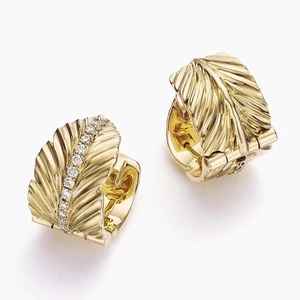
14K Yellow GoldJane Goodall Leaf Lab Diamond Huggie Earrings
The Jane Goodall Collection14K Yellow GoldJane Goodall Leaf Lab Diamond Huggie E…
0 reviews
Hot Sell