
Enhanced Precious Metals Hallmarking Regulations Aim to Fortify Consumer Trust
Featured

In a move poised to bolster consumer confidence and fortify the integrity of the precious metals market, updated regulations concerning the hallmarking of jewelry and other items have been enacted. These measures are designed to provide greater assurance to buyers regarding the authenticity and fineness of precious metal goods, combating fraudulent practices and misrepresentation that can undermine trust in the industry. The updated regulations mark a significant step towards a more transparent and reliable marketplace for precious metals.
Combating Deception: The Need for Stricter Hallmarking
The precious metals industry, while often associated with luxury and enduring value, is not immune to fraudulent activities. Misrepresentation of precious metal content, often involving under-carating or the sale of counterfeit items, poses a significant threat to consumers and legitimate businesses alike. These deceptive practices not only erode consumer trust but also distort market dynamics, creating an uneven playing field for businesses committed to ethical and transparent operations. The new regulations seek to address these challenges head-on, setting a higher standard for the industry.
Historically, hallmarking has served as a crucial safeguard, providing an independent verification of the precious metal content of an item. However, as technology advances and fraudulent techniques become more sophisticated, existing regulations must adapt to maintain their effectiveness. The updated regulations incorporate stricter standards for hallmarking, requiring more comprehensive testing and marking procedures. These enhanced measures are intended to make it more difficult for counterfeiters to pass off inferior or fake goods as genuine precious metal items.
Key Provisions of the Updated Regulations
The updated regulations encompass a range of provisions designed to strengthen the hallmarking process and protect consumers. Some of the key changes include:
- Mandatory Hallmarking: The regulations may expand the scope of mandatory hallmarking to include a wider range of precious metal items. This ensures that more products are subject to independent verification, providing consumers with greater assurance of authenticity.
- Enhanced Testing Procedures: The updated regulations likely incorporate more rigorous testing procedures to determine the precise precious metal content of an item. This may involve the use of advanced analytical techniques to detect even subtle discrepancies in fineness.
- Standardized Marking Requirements: The regulations aim to standardize marking requirements, ensuring that hallmarks are clear, legible, and easily recognizable. This makes it easier for consumers to identify genuine precious metal items and verify their authenticity.
- Increased Penalties for Non-Compliance: To deter fraudulent practices, the updated regulations include increased penalties for non-compliance. This sends a strong message that misrepresentation of precious metal content will not be tolerated.
- Improved Traceability: The regulations may incorporate measures to improve the traceability of precious metal items, making it easier to track the origin and history of a product. This can help to identify and prevent the sale of counterfeit or illegally sourced goods.
Impact on Jewelers and the Precious Metals Industry
The updated regulations will have a significant impact on jewelers and other businesses involved in the precious metals industry. While compliance with the new standards may require some adjustments, the long-term benefits of a more transparent and trustworthy marketplace are substantial. By adhering to the regulations, businesses can demonstrate their commitment to ethical practices and build stronger relationships with consumers.
For jewelers, the updated regulations may necessitate changes to their sourcing, manufacturing, and sales processes. They may need to invest in new testing equipment, update their marking procedures, and provide additional training to their staff. However, these investments can pay off in the form of increased consumer confidence and a stronger reputation. The Jewelry Business Growth Playbook offers guidance on adapting to evolving industry standards and enhancing business practices.
The regulations also have implications for the sourcing of precious metals. Jewelers will need to ensure that their suppliers are complying with the new standards and that the precious metals they use are ethically and responsibly sourced. This may involve implementing more robust due diligence procedures and working with suppliers who are committed to transparency and sustainability. The Sourcing Integrity and Verification Protocol provides a framework for responsible sourcing practices.
Consumer Benefits and Enhanced Trust
The primary beneficiaries of the updated regulations are consumers. By providing greater assurance of authenticity and fineness, the regulations empower consumers to make informed purchasing decisions and protect themselves from fraud. This, in turn, can lead to increased consumer confidence and a stronger demand for genuine precious metal items.
With clear and standardized hallmarking, consumers can easily verify the precious metal content of an item before making a purchase. This reduces the risk of being misled or defrauded and allows consumers to shop with greater peace of mind. The increased transparency also fosters a more level playing field for businesses, rewarding those who are committed to ethical practices and providing consumers with a wider range of trustworthy options.
Furthermore, the regulations can help to promote responsible consumption by encouraging consumers to choose ethically sourced and sustainably produced precious metal items. This aligns with the growing consumer demand for transparency and sustainability in the jewelry industry. The Global Jewelry Sourcing Index offers insights into ethical sourcing and supply chain transparency.
Enforcement and Compliance
Effective enforcement is crucial to the success of the updated regulations. Regulatory bodies will need to establish clear guidelines for compliance and implement robust monitoring and enforcement mechanisms. This may involve conducting regular inspections of jewelers and other businesses involved in the precious metals industry, as well as investigating reports of non-compliance.
To ensure compliance, it is essential that jewelers and other businesses are fully aware of the new regulations and understand their obligations. Regulatory bodies can play a role in providing education and training to help businesses comply with the updated standards. This may involve conducting workshops, publishing guidance materials, and providing access to online resources.
Collaboration between regulatory bodies, industry associations, and consumer groups is also essential for effective enforcement. By working together, these stakeholders can share information, identify potential problems, and develop solutions to ensure that the regulations are effectively implemented and enforced.
The Future of Hallmarking
The updated regulations represent a significant step forward in the effort to protect consumers and promote ethical practices in the precious metals industry. However, the fight against fraud and misrepresentation is an ongoing one. As technology continues to evolve and fraudulent techniques become more sophisticated, it is essential that hallmarking regulations continue to adapt and improve.
In the future, we may see the adoption of new technologies, such as blockchain, to enhance the traceability and security of hallmarking. Blockchain can provide a tamper-proof record of the origin and history of a precious metal item, making it more difficult for counterfeiters to operate. We may also see the development of more sophisticated testing methods to detect even subtle discrepancies in fineness.
Ultimately, the goal of hallmarking is to create a marketplace where consumers can have complete confidence in the authenticity and quality of precious metal items. By working together, regulatory bodies, industry associations, and consumer groups can achieve this goal and ensure that the precious metals industry remains a trusted and respected part of the global economy.
A Transparent Future for Precious Metals
The introduction of enhanced hallmarking regulations signifies a pivotal moment for the precious metals industry. By prioritizing consumer protection and reinforcing the integrity of precious metal goods, these measures pave the way for a more transparent, trustworthy, and sustainable future. As the industry adapts to these evolving standards, the commitment to ethical practices and consumer empowerment will undoubtedly foster greater confidence and enduring value in the marketplace.
Recommended products
-
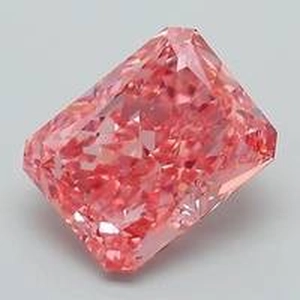
3.54 Ct. Fancy Vivid Pink Radiant Lab Created Diamond
This 3.54 carat brilliant pink radiance laboratory created diamond has excellent…
0 reviews
Pink Diamond Only a few left -
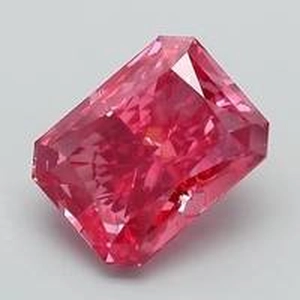
3.23 Ct. Fancy Vivid Pink Radiant Lab Created Diamond
This 3.23 carat brilliant pink radiance laboratory created diamond has excellent…
0 reviews
Special Especially Only a few left -
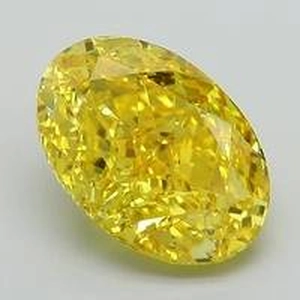
3.58 Ct. Fancy Vivid Yellow Oval Lab Created Diamond
This 3.58 carat brilliant yellow oval laboratory made diamond has excellent cutt…
0 reviews
Yellow Diamond Only a few left -
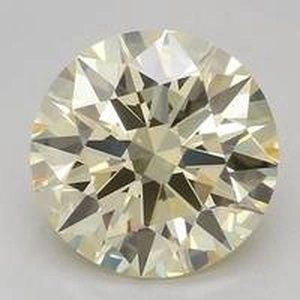
2.01 Ct. Fancy Yellow Round Lab Created Diamond
This 2.01 carat yellow circular laboratory made diamond, with eight hearts and e…
0 reviews
Hot Sell Only a few left