
What is cultivating diamonds? What are its advantages and disadvantages compared to natural diamonds?
Featured
Artificial diamonds, also known as laboratory grown or synthetic diamonds, have been popular in recent years due to their economical, ethical production, and environmental attributes. But what is the cultivation of diamonds and how does it compare to natural diamonds? In this article, we will delve into the world of artificial diamonds, exploring their production processes, benefits, and how to identify them.
The cultivation process of diamonds
Artificial diamonds are manufactured in the laboratory using advanced technological processes that simulate the natural conditions under which diamonds form in the mantle. There are two main methods for cultivating diamonds:
A. High Pressure High Temperature (HPHT)
This method replicates the high-pressure and high-temperature conditions deep in the Earth. Carbon sources, usually graphite or diamond powder, are subjected to extreme high temperatures and pressures, resulting in carbon atoms arranged in a diamond crystal structure.
B. Chemical Vapor Deposition (CVD)
In the CVD method, a thin layer of diamond, usually a small diamond seed, is grown on the substrate in a controlled chamber filled with a mixture of carbon rich gases. The gas is heated to a very high temperature, causing carbon atoms to deposit on the substrate, forming diamond crystals.
The Benefits of Artificial Diamonds
Artificial diamonds have several advantages over natural diamonds, such as:
A: Payment ability
Due to the lower production costs of artificial diamonds, they are usually more affordable than natural diamonds and are an attractive choice for budget conscious consumers.
B. Ethical production
Artificial diamonds are manufactured in a controlled environment, eliminating concerns about conflict diamonds or unethical mining practices related to natural diamonds.
C. Environmental sustainability
Compared to traditional diamond mining, planting diamonds requires much less energy, water, and land. In addition, diamonds grown in the laboratory generate minimal waste and pollution, making them a more environmentally friendly choice.
How to Identify Artificial Diamonds
Although artificial diamonds and natural diamonds have the same physical, chemical, and optical properties, there are some methods to distinguish between the two:
A: Inclusions
Artificial diamonds may have unique inclusions, such as metal flux or bubbles, which are usually not found in natural diamonds.
B. Growth model
Diamonds grown in the laboratory may exhibit specific growth patterns or color zones, which can be detected by skilled gemologists under magnification.
C. Gem testing
Advanced gemological equipment, such as spectrometers and luminescent imaging devices, can usually identify the subtle differences between natural diamonds and artificial diamonds.
Choose artificial diamonds
When considering purchasing synthetic diamonds, please keep in mind the following points:
A. Research reputable retailers
Purchase synthetic diamonds from reputable jewelers or retailers to ensure that they have been classified and certified by recognized gemological laboratories.
B. Understanding 4c
Just like natural diamonds, the evaluation of synthetic diamonds is based on 4c - carats, cutting, clarity, and color. Make sure you understand these factors and choose one that suits your preferences
Recommended products
-
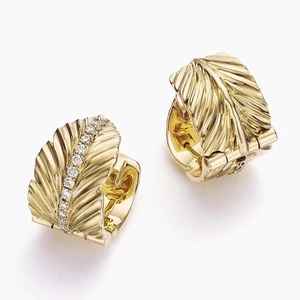
14K Yellow GoldJane Goodall Leaf Lab Diamond Huggie Earrings
0 reviews
Hot Sell -
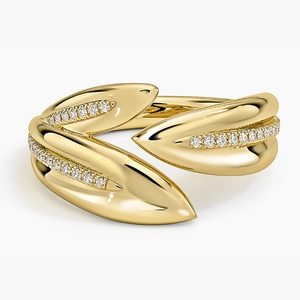
Jane Goodall Olive Branch Lab Diamond Ring (1/8 ct. tw.) in 14K Yellow Gold
0 reviews
Special Especially -
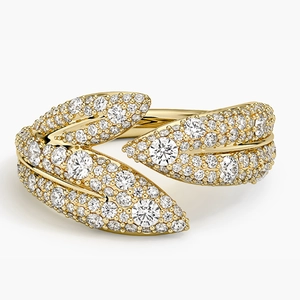
Jane Goodall Pavé Olive Branch Lab Diamond Ring (7/8 ct. tw.) in 14K Yellow Gold
0 reviews
Special Especially -
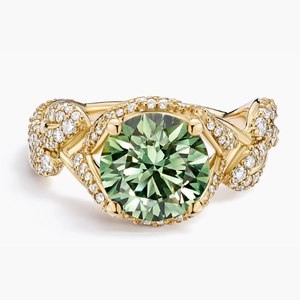
Jane Goodall Olive Branch Lab Diamond Cocktail Ring (3 3/4 ct. tw.) in 18K Yellow Gold
0 reviews
Special Especially