
Geopolitical Crosscurrents Trigger Volatility in Gold Market
Featured

The gold market is currently experiencing a period of heightened volatility as investors grapple with escalating geopolitical tensions worldwide. These uncertainties are driving fluctuations in gold prices, reflecting the metal’s traditional role as a safe-haven asset during times of global instability.
Gold’s Safe-Haven Appeal Tested by Global Unrest
The price of gold, often viewed as a reliable store of value, is reacting sensitively to a complex web of international events. From ongoing regional conflicts to evolving trade relationships and political uncertainties in key economic regions, the global landscape is presenting a challenging environment for investors. This atmosphere of apprehension tends to push capital towards assets perceived as less risky, with gold being a primary beneficiary.
Analysts note that the current market dynamics are characterized by a delicate balance between inflationary pressures, which typically support gold prices, and rising interest rates, which can diminish its appeal as an investment. The strength of the US dollar also plays a crucial role, as gold is often priced in dollars, and a stronger dollar can make gold more expensive for investors holding other currencies.
Impact on Jewelry Industry: Navigating Price Uncertainty
The fluctuating gold prices have a direct impact on the jewelry industry, creating challenges for manufacturers, retailers, and consumers alike. For manufacturers, price volatility makes it difficult to accurately forecast costs and manage inventory. This can lead to narrower profit margins and increased risk in production planning. Retailers, in turn, face the challenge of setting prices that are attractive to consumers while still maintaining profitability. Consumers may become hesitant to purchase gold jewelry when prices are unstable, potentially dampening demand.
The industry is closely watching the Federal Reserve’s monetary policy decisions, as interest rate hikes can influence the direction of gold prices. Furthermore, any escalation of geopolitical tensions or unexpected economic shocks could trigger further price swings, adding to the complexity of the market environment.
Strategic Considerations for Jewelry Businesses
In light of these challenges, jewelry businesses are exploring various strategies to mitigate the impact of gold price volatility. These include:
- Hedging: Using financial instruments to lock in future gold prices and reduce exposure to price fluctuations.
- Diversification: Offering a wider range of jewelry options, including pieces made with alternative metals or incorporating gemstones alongside gold.
- Value Engineering: Optimizing designs and manufacturing processes to reduce gold content without compromising the aesthetic appeal or quality of the jewelry.
- Transparent Pricing: Clearly communicating pricing policies to consumers and explaining how gold price fluctuations affect the final cost of jewelry.
The Role of Ethical Sourcing and Supply Chain Transparency
Beyond price volatility, the jewelry industry is also facing increasing scrutiny regarding the ethical sourcing of gold and other precious materials. Consumers are becoming more aware of the social and environmental impact of their purchases and are demanding greater transparency in the supply chain. This trend is driving the adoption of responsible sourcing practices and the implementation of traceability systems to ensure that gold is mined and processed in a sustainable and ethical manner.
Initiatives such as the Sourcing Integrity and Verification Protocol are gaining traction as a means of verifying the origin and integrity of gold supplies. These protocols involve independent audits and certifications to ensure compliance with international standards for responsible mining and trading practices.
Regional Variations in Gold Demand
The impact of geopolitical tensions and price volatility on gold demand can vary significantly across different regions. In some markets, gold is primarily viewed as an investment asset, while in others, it is more closely associated with cultural traditions and ceremonial occasions. For example, in India and China, gold jewelry plays a significant role in weddings and festivals, and demand tends to be less sensitive to short-term price fluctuations.
However, even in these markets, sustained periods of high prices can eventually dampen demand, leading consumers to seek out alternative options or postpone purchases. In Western markets, where gold is often seen as a discretionary purchase, price volatility can have a more immediate impact on sales.
Expert Perspectives on the Future of Gold
Industry experts hold varying opinions on the future direction of gold prices. Some believe that geopolitical tensions will continue to support prices in the near term, while others argue that rising interest rates and a stronger US dollar could put downward pressure on the market. The long-term outlook for gold will likely depend on a complex interplay of factors, including global economic growth, inflation expectations, and central bank policies.
Regardless of the short-term fluctuations, gold is expected to remain a significant asset class in the global financial system. Its unique properties as a store of value, a hedge against inflation, and a safe-haven asset will continue to attract investors in times of uncertainty. The jewelry industry, however, must adapt to the challenges of price volatility and evolving consumer preferences to ensure its long-term sustainability.
The Importance of Innovation and Adaptability
To thrive in the current market environment, jewelry businesses need to embrace innovation and adaptability. This includes:
- Developing new designs and product offerings: Catering to changing consumer tastes and preferences, including the growing demand for sustainable and ethically sourced jewelry.
- Leveraging technology to improve efficiency and reduce costs: Implementing advanced manufacturing techniques, optimizing supply chain management, and utilizing e-commerce platforms to reach a wider customer base.
- Building strong relationships with suppliers and customers: Fostering trust and transparency throughout the value chain.
- Staying informed about market trends and geopolitical developments: Continuously monitoring the factors that influence gold prices and adapting business strategies accordingly.
Navigating the Global Jewelry Market
For businesses involved in international trade, understanding the nuances of different regional markets is crucial. The Global Jewelry Sourcing Index provides valuable insights into the competitive landscape of various sourcing destinations, helping businesses make informed decisions about where to procure materials and manufacture jewelry.
The index assesses factors such as labor costs, regulatory environments, and infrastructure quality to provide a comprehensive overview of the advantages and disadvantages of different sourcing locations. By leveraging this information, businesses can optimize their supply chains and enhance their competitiveness in the global market.
Strategies for Business Growth
The Jewelry Business Growth Playbook offers practical guidance on how to navigate the challenges of the current market and achieve sustainable growth. This resource provides insights into various aspects of business management, including marketing, sales, operations, and finance.
By implementing the strategies outlined in the playbook, jewelry businesses can enhance their brand awareness, attract new customers, improve operational efficiency, and ultimately drive profitability. The playbook also emphasizes the importance of building a strong team, fostering a culture of innovation, and adapting to changing market conditions.
Conclusion: Embracing Resilience in a Volatile Market
The gold market is currently facing a period of heightened volatility due to ongoing geopolitical tensions and economic uncertainties. While this presents challenges for the jewelry industry, it also creates opportunities for businesses that are willing to adapt and innovate. By embracing responsible sourcing practices, diversifying product offerings, leveraging technology, and building strong relationships with stakeholders, jewelry businesses can navigate the complexities of the market and achieve sustainable growth. The key to success lies in resilience, adaptability, and a commitment to ethical and sustainable business practices.
Recommended products
-

0.88 Ct. Fancy Orange Round
This 0.88 carat colored orange circular laboratory made diamond. It is customize…
0 reviews
Create You Own -
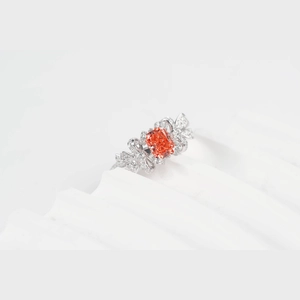
Pink Radiant Diamond Ring
Ebooom is a premier B2B customization lab-grown diamond jewelry business, dedica…
0 reviews
Customization showcase Only a few left -
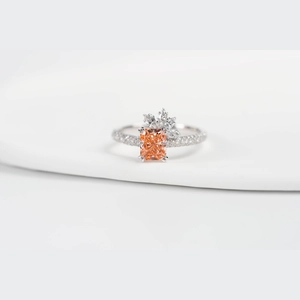
Pink Radiant Diamond Ring
Ebooom is a premier B2B customization lab-grown diamond jewelry business, dedica…
0 reviews
Customization showcase Only a few left -
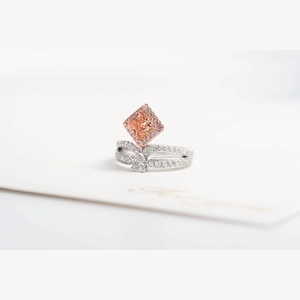
Pink Princess Diamond Ring
Ebooom is a premier B2B customization lab-grown diamond jewelry business, dedica…
0 reviews
Customization showcase Only a few left