
Lab-Grown Diamonds Carve a Larger Slice of the Engagement Ring Market
Featured

Lab-grown diamonds are increasingly becoming a significant force in the diamond market, particularly within the lucrative engagement ring sector. Fueled by consumer demand for affordable alternatives and ethically sound sourcing options, these stones are reshaping the landscape of the jewelry industry.
The Rise of Lab-Grown Diamonds: A Market Overview
The diamond market, traditionally dominated by mined diamonds, is witnessing a paradigm shift as lab-grown diamonds steadily gain traction. Several factors contribute to this evolving dynamic, including advancements in technology, shifting consumer preferences, and growing awareness of the environmental and social implications associated with diamond mining. Market analysts are closely monitoring this trend, noting the increasing acceptance and adoption of lab-grown diamonds across various segments.
One of the most significant drivers behind the surge in popularity of lab-grown diamonds is their price point. Typically, lab-grown diamonds are priced considerably lower than their mined counterparts of comparable size and quality. This affordability makes them an attractive option for consumers, particularly those on a budget or looking to maximize the size and quality of their diamond within a specific price range. This is particularly relevant in the engagement ring market, where the diamond often represents a significant portion of the overall cost.
Engagement Rings: A Key Battleground
The engagement ring market is a critical segment for both mined and lab-grown diamond suppliers. It represents a substantial portion of overall diamond sales, and the choice of diamond carries significant emotional and symbolic weight for consumers. Lab-grown diamonds are making significant inroads in this market, appealing to couples seeking a balance between value, aesthetics, and ethical considerations.
Consumers are increasingly aware of the potential environmental and social impacts of diamond mining, including concerns about habitat destruction, labor practices, and conflict diamonds. Lab-grown diamonds offer a more sustainable and ethically responsible alternative, as they are produced in controlled laboratory environments, eliminating many of the concerns associated with traditional mining practices. This ethical appeal is particularly strong among younger generations, who are increasingly prioritizing sustainability and social responsibility in their purchasing decisions. For businesses looking to address sustainability concerns, the Sourcing Integrity and Verification Protocol can offer guidance.
Factors Driving Market Share Growth
Several key factors are contributing to the increasing market share of lab-grown diamonds:
- Price Competitiveness: As mentioned earlier, the lower price point of lab-grown diamonds is a major draw for consumers. This allows them to purchase larger, higher-quality stones within their budget.
- Ethical Considerations: The ethical sourcing of diamonds is a growing concern for consumers. Lab-grown diamonds offer a conflict-free and environmentally responsible alternative to mined diamonds.
- Technological Advancements: Ongoing advancements in lab-grown diamond technology have resulted in stones that are virtually indistinguishable from mined diamonds in terms of appearance and quality.
- Increased Awareness: Increased marketing and education efforts by lab-grown diamond producers and retailers have raised consumer awareness and acceptance of these stones.
- Changing Consumer Preferences: Younger generations, in particular, are more open to alternative options and are less attached to traditional notions of diamond value.
The Impact on the Mined Diamond Industry
The growing popularity of lab-grown diamonds presents both challenges and opportunities for the mined diamond industry. While some traditional diamond suppliers may view lab-grown diamonds as a threat, others are recognizing the need to adapt to the changing market landscape. Some mined diamond companies are even investing in lab-grown diamond production or offering both mined and lab-grown options to cater to a wider range of consumers.
The mined diamond industry is also focusing on promoting the unique qualities and characteristics of natural diamonds, emphasizing their rarity, heritage, and emotional value. Marketing campaigns often highlight the billions of years it takes for natural diamonds to form and the unique story behind each stone. Furthermore, the industry continues to work on improving transparency and traceability within the supply chain to address concerns about ethical sourcing and environmental impact.
Retailer Strategies and Consumer Education
Retailers play a crucial role in shaping consumer perceptions and driving the adoption of lab-grown diamonds. Many jewelers are now offering both mined and lab-grown diamonds, providing consumers with a choice based on their individual preferences and priorities. It is essential for retailers to educate consumers about the differences between mined and lab-grown diamonds, including their origins, characteristics, and value propositions. This education should be unbiased and transparent, allowing consumers to make informed decisions.
Some retailers are also creating dedicated sections or displays for lab-grown diamonds, highlighting their unique benefits and features. Others are training their sales staff to effectively communicate the value proposition of lab-grown diamonds and address any consumer concerns or misconceptions. Effective communication and education are key to building trust and confidence in lab-grown diamonds.
Future Trends and Predictions
The lab-grown diamond market is expected to continue its growth trajectory in the coming years. As technology advances and production costs decrease, lab-grown diamonds are likely to become even more competitive in terms of price and quality. This could lead to further market share gains, particularly in price-sensitive segments.
However, the mined diamond industry is also expected to adapt and evolve, focusing on its unique strengths and addressing consumer concerns about ethical sourcing and sustainability. The future of the diamond market is likely to be characterized by a coexistence of both mined and lab-grown diamonds, with each catering to different consumer segments and preferences.
The key to success for both mined and lab-grown diamond suppliers will be transparency, innovation, and a focus on meeting the evolving needs and expectations of consumers. Retailers who can effectively educate consumers and offer a diverse range of options will be best positioned to thrive in this dynamic market. The Jewelry Business Growth Playbook offers strategies for navigating these changes.
The Role of Certification and Grading
As the lab-grown diamond market matures, the importance of certification and grading becomes increasingly critical. Independent gemological laboratories, such as the Gemological Institute of America (GIA) and the International Gemological Institute (IGI), are providing grading reports for lab-grown diamonds, assessing their quality based on the same criteria used for mined diamonds (cut, clarity, color, and carat weight). These grading reports provide consumers with assurance and confidence in the quality and value of their lab-grown diamonds.
Certification also helps to differentiate lab-grown diamonds from diamond simulants, such as cubic zirconia and moissanite. Lab-grown diamonds have the same chemical composition and crystal structure as mined diamonds, while simulants have different properties. Certification ensures that consumers are purchasing a genuine lab-grown diamond and not a less expensive simulant.
The Impact on Global Jewelry Sourcing
The rise of lab-grown diamonds also has implications for global jewelry sourcing. As the demand for lab-grown diamonds increases, manufacturers and retailers are seeking reliable and ethical sources of supply. This has led to the emergence of new lab-grown diamond production centers around the world, as well as increased scrutiny of the sourcing practices of both mined and lab-grown diamond suppliers. The Global Jewelry Sourcing Index can offer insights into ethical and efficient sourcing options.
Consumers are increasingly demanding transparency and traceability in the jewelry supply chain, wanting to know the origin of their diamonds and the conditions under which they were produced. This is driving the adoption of new technologies and initiatives aimed at improving supply chain transparency and ensuring ethical sourcing practices.
Conclusion
Lab-grown diamonds are undeniably changing the landscape of the diamond market, particularly in the engagement ring segment. Their affordability, ethical appeal, and technological advancements have made them an increasingly attractive option for consumers. While the mined diamond industry is adapting to this new reality, the future of the diamond market is likely to be characterized by a coexistence of both mined and lab-grown diamonds, with each catering to different consumer segments and preferences. The key to success for all players in the diamond industry will be transparency, innovation, and a commitment to meeting the evolving needs and expectations of consumers.
Recommended products
-
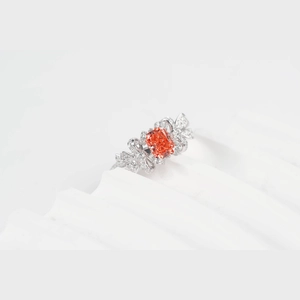
Pink Radiant Diamond Ring
Ebooom is a premier B2B customization lab-grown diamond jewelry business, dedica…
0 reviews
Customization showcase Only a few left -
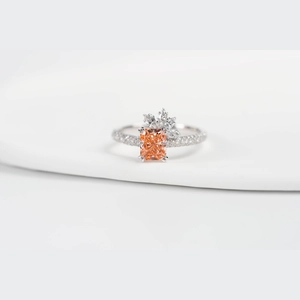
Pink Radiant Diamond Ring
Ebooom is a premier B2B customization lab-grown diamond jewelry business, dedica…
0 reviews
Customization showcase Only a few left -
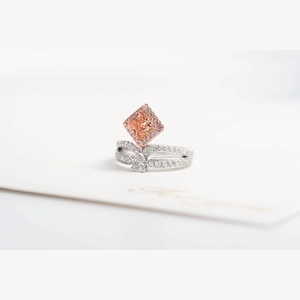
Pink Princess Diamond Ring
Ebooom is a premier B2B customization lab-grown diamond jewelry business, dedica…
0 reviews
Customization showcase Only a few left -
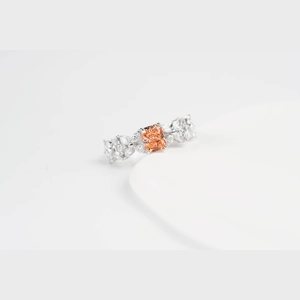
Pink Princess Diamond Ring
Ebooom is a premier B2B customization lab-grown diamond jewelry business, dedica…
0 reviews
Customization showcase Only a few left