
FTC Scrutinizes Jewelry Brands Over Alleged ‘Greenwashing’ Tactics
Featured

The Federal Trade Commission (FTC) is intensifying its focus on environmental marketing claims within the jewelry sector, signaling a new era of accountability for brands promoting their sustainability credentials. This increased scrutiny aims to protect consumers from deceptive advertising and ensure a level playing field for businesses genuinely committed to ethical and sustainable practices.
Heightened Regulatory Focus on Sustainability Claims
The jewelry industry, like many others, has seen a surge in marketing that emphasizes environmental responsibility. Consumers are increasingly seeking out brands that align with their values, and jewelers have responded by highlighting their use of recycled materials, ethical sourcing practices, and carbon-neutral operations. However, this rise in “green” marketing has also led to concerns about “greenwashing” – the practice of making unsubstantiated or misleading claims about a product or company’s environmental benefits.
The FTC’s investigation represents a proactive step to combat greenwashing and ensure that environmental claims are accurate and verifiable. The agency is examining a range of marketing tactics, including statements about the origin of materials, the use of recycled content, and the overall environmental impact of jewelry production. Companies found to be making false or misleading claims could face significant penalties, including fines and orders to cease deceptive advertising.
What Constitutes Greenwashing?
Greenwashing can take many forms. Some common examples in the jewelry industry include:
- Making vague or unsubstantiated claims about sustainability without providing specific evidence.
- Exaggerating the environmental benefits of a product or process.
- Focusing on a single environmental attribute while ignoring other significant impacts.
- Using misleading certifications or labels.
- Claiming to be “eco-friendly” or “sustainable” without defining what those terms mean in the context of their business.
For instance, a company might claim to use “recycled gold” without specifying the percentage of recycled content or the source of the recycled material. Similarly, a brand might promote its use of “ethically sourced diamonds” without providing details about its due diligence processes or the specific standards it adheres to. Such vague or incomplete claims can mislead consumers and undermine trust in the industry.
The Importance of Transparency and Traceability
Transparency and traceability are crucial for building consumer confidence and ensuring the integrity of sustainability claims. Jewelers need to be able to demonstrate the origin and journey of their materials, from the mine to the market. This requires robust supply chain management systems and a commitment to due diligence.
Initiatives like the Sourcing Integrity and Verification Protocol are playing an increasingly important role in helping companies to verify the ethical and environmental credentials of their suppliers. By implementing rigorous verification processes, jewelers can gain greater confidence in the accuracy of their sustainability claims and provide consumers with the information they need to make informed purchasing decisions.
Impact on the Jewelry Industry
The FTC’s investigation is likely to have a significant impact on the jewelry industry. Companies will need to review their marketing materials and ensure that their environmental claims are accurate, verifiable, and supported by credible evidence. This may require investing in better data collection, supply chain tracing systems, and independent certifications.
The increased scrutiny could also lead to a shift in marketing strategies. Jewelers may need to move away from vague or aspirational claims and focus on providing specific, quantifiable information about their sustainability efforts. This could include disclosing the percentage of recycled content in their products, the carbon footprint of their operations, and the social impact of their sourcing practices. Furthermore, this could influence the Global Jewelry Sourcing Index ratings as brands adjust their practices.
Consumer Awareness and Demand for Sustainable Jewelry
The FTC’s action comes at a time when consumer awareness of environmental and social issues is growing rapidly. More and more consumers are seeking out products that are made in a responsible and sustainable manner. This trend is particularly pronounced among younger generations, who are more likely to prioritize ethical and environmental considerations when making purchasing decisions.
A recent survey found that a majority of consumers are willing to pay a premium for products that are environmentally friendly or socially responsible. This suggests that there is a significant market opportunity for jewelers who can credibly demonstrate their commitment to sustainability. However, it also means that companies that engage in greenwashing risk alienating consumers and damaging their reputations.
Best Practices for Sustainable Jewelry Marketing
To avoid running afoul of the FTC and maintain consumer trust, jewelers should adopt the following best practices for sustainable jewelry marketing:
- Be specific and transparent: Avoid vague or general claims about sustainability. Provide specific details about your environmental and social practices.
- Back up your claims with evidence: Ensure that your sustainability claims are supported by credible data and documentation.
- Obtain independent certifications: Seek out reputable third-party certifications that verify your sustainability practices.
- Focus on continuous improvement: Demonstrate a commitment to ongoing efforts to reduce your environmental and social impact.
- Be honest about your limitations: Acknowledge any areas where you still have work to do.
The Role of Industry Organizations
Industry organizations such as AIDI also have a role to play in promoting responsible and sustainable practices. These organizations can provide guidance and resources to help jewelers improve their sustainability performance and communicate their efforts effectively. Moreover, resources like the Jewelry Business Growth Playbook can provide actionable insights to help businesses grow sustainably.
AIDI, for example, offers a range of programs and initiatives to support sustainable sourcing, ethical labor practices, and environmental stewardship. By working together, industry organizations and individual companies can help to create a more sustainable and responsible jewelry industry.
Looking Ahead
The FTC’s investigation into greenwashing claims is a clear signal that the agency is taking environmental marketing seriously. Jewelers need to be prepared to meet this increased scrutiny by ensuring that their sustainability claims are accurate, verifiable, and transparent. By embracing transparency and investing in sustainable practices, jewelers can build consumer trust, enhance their reputations, and contribute to a more responsible and sustainable industry.
The outcome of these investigations will likely shape the future of jewelry advertising, setting new standards for transparency and accountability. For consumers, this means greater confidence in the environmental claims made by jewelry brands. For the industry, it represents an opportunity to build a more sustainable and ethical future.
The jewelry industry must embrace these changes to not only comply with regulations, but also to meet the evolving expectations of consumers who are increasingly prioritizing sustainability. The future of jewelry is inextricably linked to responsible and ethical practices, and those who embrace this reality will be best positioned for long-term success.
Recommended products
-
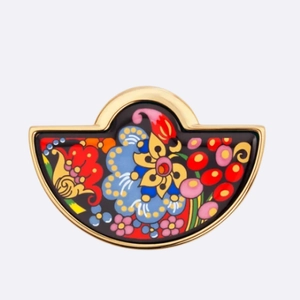
Crescent Moon Pendant
This unique half-moon pendant showcases the softly shimmering Viennese fire enam…
0 reviews 1 sold
FREYWILLE Only a few left -

2.00 Carat Cushion Lab Created Diamond Super Ideal Cut • E Color • VVS2 Clarity
This 2.00 carat pad shaped laboratory made diamondUltra ideal cutting • E color …
0 reviews
Hot Sell Only a few left -
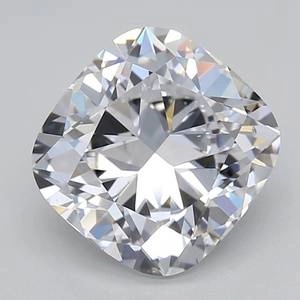
2.01 Carat Cushion Lab Created Diamond Super Ideal Cut • E Color • VS2 Clarity
This 2.01 carat pad shaped laboratory made diamondSuper ideal cutting • E color …
0 reviews
Loose Diamond & White Diamond -
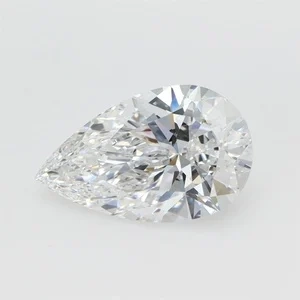
2.00 Carat Pear Lab Created Diamond Super Ideal Cut • D Color • VVS2 Clarity
This 2.00 carat pear is a laboratory made diamondUltra ideal cutting • D color •…
0 reviews
Loose Diamond & White Diamond