
Digital Transformation Shines: Luxury Jewelers Rethink Customer Engagement
Featured
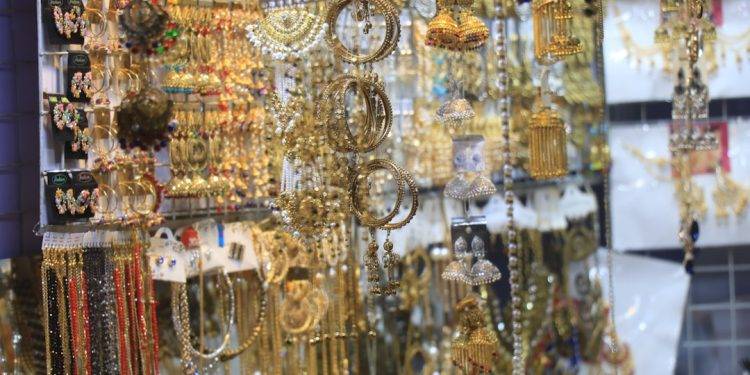
Luxury jewelry brands are undergoing a significant shift in how they connect with their clientele. Moving beyond traditional advertising, these houses are increasingly adopting digital marketing strategies to cultivate brand loyalty and expand their reach in a rapidly evolving market.
The Digital Pivot: A Necessary Evolution
For decades, luxury jewelry brands relied on exclusivity, in-store experiences, and print advertising to maintain their prestige. While these methods still hold value, the digital landscape offers unparalleled opportunities for personalized engagement and broader market penetration. The shift isn’t merely about having a presence online; it’s about crafting a cohesive digital experience that reflects the brand’s identity and caters to the evolving expectations of today’s luxury consumer.
Social Media: Beyond the Showcase
Social media platforms are no longer just places to display exquisite pieces. They’ve become crucial channels for storytelling, building community, and fostering direct interaction with customers. Brands are leveraging platforms like Instagram, Facebook, and even TikTok to showcase the craftsmanship behind their jewelry, share the stories of the artisans, and offer glimpses into the brand’s heritage. This approach humanizes the brand and makes it more relatable to a wider audience. Furthermore, social media allows for targeted advertising, ensuring that marketing efforts reach the most relevant demographics.
The Global Jewelry Sourcing Index highlights the importance of transparency in the supply chain, a factor that resonates strongly with today’s socially conscious consumers. Social media provides a platform for brands to showcase their commitment to ethical sourcing and sustainable practices, further enhancing their appeal.
The Rise of Influencer Marketing
Influencer marketing has emerged as a powerful tool for luxury jewelry brands. Collaborating with influencers who embody the brand’s values and aesthetic can significantly amplify its reach and credibility. These influencers, often fashion bloggers, lifestyle gurus, or even celebrities, can showcase jewelry in authentic and engaging ways, driving brand awareness and inspiring purchase decisions. The key is to choose influencers who genuinely align with the brand’s identity and whose audience reflects the target demographic. A carefully curated influencer campaign can be far more effective than traditional advertising, particularly among younger consumers who are more likely to trust recommendations from trusted online personalities.
However, navigating the world of influencer marketing requires careful consideration. Brands must ensure that influencers disclose sponsored content transparently and adhere to ethical guidelines. Authenticity is paramount, and consumers are quick to identify inauthentic endorsements.
Personalized Advertising: Tailoring the Experience
The digital age allows for unprecedented levels of personalization in advertising. Luxury jewelry brands are leveraging data analytics and customer insights to create targeted campaigns that resonate with individual preferences and purchase histories. This might involve showcasing specific jewelry styles based on past browsing behavior, offering exclusive promotions to loyal customers, or sending personalized messages on special occasions. The goal is to create a sense of exclusivity and make each customer feel valued and understood.
Personalization extends beyond advertising to the entire customer journey. Brands are using technology to create customized in-store experiences, offer virtual consultations, and provide personalized styling advice. This holistic approach to personalization fosters stronger customer relationships and drives long-term loyalty.
E-commerce and the Omni-Channel Approach
While the in-store experience remains crucial for luxury jewelry, e-commerce has become an indispensable component of the overall sales strategy. Many brands have invested heavily in creating sophisticated online platforms that showcase their collections, provide detailed product information, and offer secure online purchasing options. However, the most successful brands are adopting an omni-channel approach, seamlessly integrating the online and offline worlds. This might involve allowing customers to browse online and pick up in-store, offering virtual consultations followed by in-person appointments, or providing personalized styling advice both online and offline.
According to the Jewelry Business Growth Playbook, a successful omni-channel strategy requires a deep understanding of the customer journey and a commitment to providing a consistent and seamless experience across all touchpoints.
Data Privacy and Security: A Top Priority
As luxury jewelry brands collect and utilize more customer data, data privacy and security become paramount concerns. Consumers are increasingly aware of the importance of protecting their personal information, and they expect brands to handle their data responsibly. Breaches of data security can severely damage a brand’s reputation and erode customer trust. Therefore, luxury jewelry brands must invest in robust data security measures and comply with all relevant data privacy regulations.
Transparency is also crucial. Brands should clearly communicate their data privacy policies to customers and provide them with control over how their data is collected and used.
The Future of Digital Marketing in Luxury Jewelry
The digital marketing landscape is constantly evolving, and luxury jewelry brands must remain agile and adaptable to stay ahead of the curve. Emerging technologies such as artificial intelligence (AI), augmented reality (AR), and virtual reality (VR) offer exciting new possibilities for enhancing the customer experience and driving sales.
AI can be used to personalize product recommendations, optimize marketing campaigns, and provide intelligent customer service. AR can allow customers to virtually try on jewelry before making a purchase, while VR can create immersive brand experiences that transport customers to exotic locations or give them a behind-the-scenes look at the craftsmanship process.
Furthermore, the metaverse presents a new frontier for luxury jewelry brands. Creating virtual stores and experiences within the metaverse can allow brands to reach new audiences and engage with customers in innovative ways.
Ethical Considerations and Transparency
Today’s luxury consumer is increasingly concerned with ethical sourcing and sustainable practices. Brands that demonstrate a commitment to responsible business practices are more likely to resonate with this discerning audience. Digital marketing provides a powerful platform for brands to communicate their ethical values and showcase their commitment to sustainability.
Initiatives like the Sourcing Integrity and Verification Protocol are gaining traction as consumers demand greater transparency in the jewelry supply chain. Brands that embrace these protocols and communicate their efforts through digital channels can build trust and enhance their reputation.
Measuring Success: Beyond Vanity Metrics
Measuring the success of digital marketing campaigns requires more than just tracking vanity metrics such as likes and followers. Luxury jewelry brands must focus on metrics that directly correlate with business outcomes, such as website traffic, lead generation, conversion rates, and customer lifetime value. By carefully analyzing these metrics, brands can optimize their campaigns and ensure that their digital marketing efforts are driving tangible results.
A/B testing is a valuable tool for optimizing digital marketing campaigns. By testing different versions of ads, landing pages, and email messages, brands can identify what resonates most with their target audience and improve their overall performance.
Conclusion: Embracing the Digital Future
The digital transformation is reshaping the luxury jewelry industry. Brands that embrace digital marketing strategies and adapt to the evolving needs of the modern consumer are poised for success. By leveraging social media, influencer marketing, personalized advertising, and emerging technologies, luxury jewelry brands can cultivate brand loyalty, expand their reach, and drive sustainable growth in a competitive market. However, it is crucial to prioritize data privacy, ethical sourcing, and transparent communication to build trust and maintain a positive brand reputation.