
Chinese Consumers Redefining Jewelry Preferences: A Shift Towards Personalization and Digital Influence
Featured
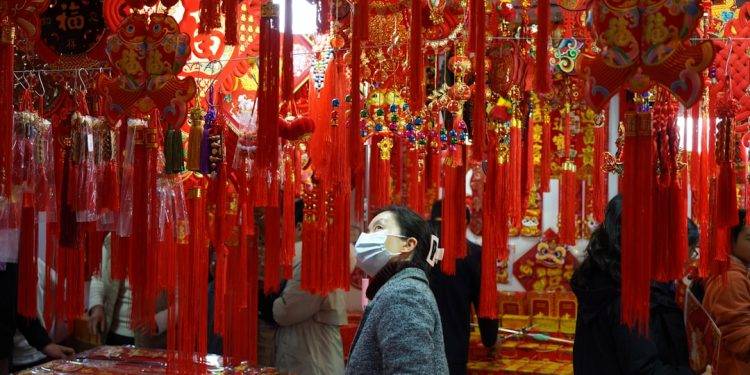
China’s jewelry market is undergoing a significant transformation, marked by a growing demand for personalized and unique pieces. This evolution is heavily influenced by the increasing power of e-commerce platforms and social media channels in shaping consumer tastes and purchasing decisions.
The Rise of Individuality in Jewelry Choices
For decades, the Chinese jewelry market was largely driven by traditional designs and the perceived investment value of precious metals and gemstones. However, a new generation of consumers is emerging, one that prioritizes self-expression and individuality. This shift is fueling the demand for customized jewelry and pieces that reflect personal style and preferences. The traditional emphasis on status symbols is giving way to a desire for meaningful and unique adornments.
This trend is not solely limited to younger demographics. While Gen Z and millennial consumers are at the forefront of this shift, older generations are also beginning to embrace more personalized jewelry options. This broader acceptance suggests a fundamental change in the cultural perception of jewelry, moving away from a purely investment-driven approach to one that values aesthetics, emotional connection, and self-representation.
E-commerce as a Catalyst for Change
The proliferation of e-commerce platforms in China has played a pivotal role in shaping the evolving jewelry consumption patterns. Online retailers offer a vast selection of jewelry styles, price points, and customization options, making it easier for consumers to find pieces that match their individual tastes. The convenience and accessibility of online shopping have also contributed to the growth of the personalized jewelry market, as consumers can easily design and order custom pieces from the comfort of their homes.
Furthermore, e-commerce platforms provide a valuable platform for emerging jewelry designers and brands to reach a wider audience. These platforms often feature independent artisans and smaller businesses that specialize in unique and handcrafted jewelry. This increased visibility has helped to diversify the market and offer consumers a greater range of choices beyond the established brands.
The Influence of Social Media
Social media platforms have become powerful tools for shaping consumer preferences and driving purchasing decisions in the Chinese jewelry market. Influencers, celebrities, and key opinion leaders (KOLs) play a significant role in promoting jewelry trends and inspiring consumers to experiment with different styles. Social media platforms also provide a space for consumers to share their own jewelry choices and connect with like-minded individuals, further fueling the demand for personalized and unique pieces.
The visual nature of social media makes it particularly well-suited for showcasing jewelry designs and inspiring consumers to imagine how different pieces might look on them. Platforms like WeChat, Weibo, and Douyin (TikTok’s Chinese counterpart) are widely used by jewelry brands to promote their products and engage with potential customers. These platforms offer a variety of marketing tools, including targeted advertising, influencer collaborations, and interactive content, that can effectively reach and engage the desired audience.
Implications for the Jewelry Industry
The evolving jewelry consumption patterns in China present both challenges and opportunities for the industry. Jewelry businesses that can adapt to the changing preferences of consumers and embrace new technologies will be best positioned to succeed in this dynamic market. This requires a shift in focus from mass-produced, standardized designs to more personalized and unique offerings.
One key strategy for jewelry businesses is to invest in design and customization capabilities. This could involve offering bespoke jewelry services, allowing customers to personalize existing designs, or creating collections that cater to specific niches and interests. By offering a greater degree of personalization, jewelry businesses can differentiate themselves from competitors and build stronger relationships with their customers.
Another important strategy is to embrace e-commerce and social media marketing. Jewelry businesses need to establish a strong online presence and actively engage with consumers through social media platforms. This includes creating engaging content, running targeted advertising campaigns, and collaborating with influencers to promote their products. By leveraging the power of e-commerce and social media, jewelry businesses can reach a wider audience and drive sales.
The Importance of Ethical Sourcing and Sustainability
As Chinese consumers become more sophisticated and discerning, they are also increasingly concerned about the ethical and environmental impact of their purchases. This is particularly true for younger generations, who are more likely to support brands that are committed to sustainability and responsible sourcing practices. Jewelry businesses that can demonstrate a commitment to ethical sourcing and sustainability will have a competitive advantage in the Chinese market.
Consumers are increasingly seeking transparency in the jewelry supply chain, wanting to know where their materials come from and how they are produced. This has led to a growing demand for certified gemstones and metals that are sourced from conflict-free and environmentally responsible mines. Jewelry businesses that can provide this level of transparency and assurance will be better positioned to attract and retain customers. AIDI’s Sourcing Integrity and Verification Protocol offers a valuable framework for businesses seeking to establish and communicate ethical sourcing practices.
Navigating the Complexities of the Chinese Market
The Chinese jewelry market is complex and rapidly evolving. To succeed in this market, jewelry businesses need to have a deep understanding of local consumer preferences, cultural nuances, and regulatory requirements. This requires ongoing market research, close collaboration with local partners, and a willingness to adapt to changing conditions. The Jewelry Business Growth Playbook can provide valuable insights and strategies for navigating the complexities of the Chinese market and achieving sustainable growth.
One of the key challenges for jewelry businesses in China is navigating the complex regulatory landscape. The Chinese government has implemented a number of regulations aimed at protecting consumers and ensuring the quality and safety of products. Jewelry businesses need to be aware of these regulations and ensure that their products comply with all applicable requirements. This may involve obtaining certifications, conducting testing, and implementing quality control measures.
Looking Ahead: The Future of Jewelry Consumption in China
The trends shaping the Chinese jewelry market are likely to continue in the years to come. The demand for personalized and unique pieces will continue to grow, driven by the increasing power of e-commerce and social media. Jewelry businesses that can adapt to these changing preferences and embrace new technologies will be best positioned to succeed in this dynamic market.
Furthermore, the growing emphasis on ethical sourcing and sustainability will continue to be a major factor influencing consumer choices. Jewelry businesses that can demonstrate a commitment to responsible practices will have a competitive advantage. As the Chinese economy continues to grow and consumers become more affluent, the demand for high-quality, ethically sourced jewelry is expected to increase.
Finally, understanding the nuances of the Chinese market, including regional variations in consumer preferences and cultural sensitivities, will be crucial for success. Jewelry businesses need to tailor their products and marketing strategies to specific regions and demographics in order to effectively reach and engage their target audience. AIDI’s Global Jewelry Sourcing Index can assist businesses in understanding global sourcing dynamics and making informed decisions about their supply chains.
Conclusion
The Chinese jewelry market is undergoing a period of significant transformation, driven by evolving consumer preferences and the increasing influence of e-commerce and social media. By embracing personalization, ethical sourcing, and a deep understanding of the local market, jewelry businesses can unlock significant opportunities for growth and success in this dynamic and promising landscape.
Recommended products
-
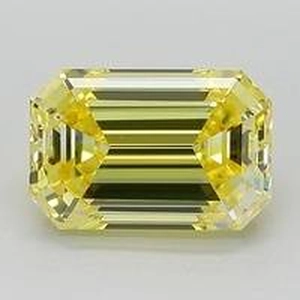
2.01 Ct. Fancy Vivid Yellow Emerald
This 2.01 carat brilliant yellow emerald is a laboratory made diamond. It is cus…
0 reviews
Create You Own -
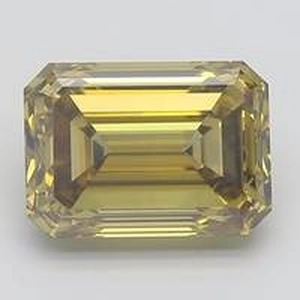
3.00 Ct. Fancy Intense Brownish Yellow Emerald
This 3.00 carat thick colored brown yellow emerald laboratory made diamond was c…
0 reviews
Create You Own Only a few left