
Vibrant Hues Surge: Colored Gemstone Demand Booms in Wholesale Market
Featured
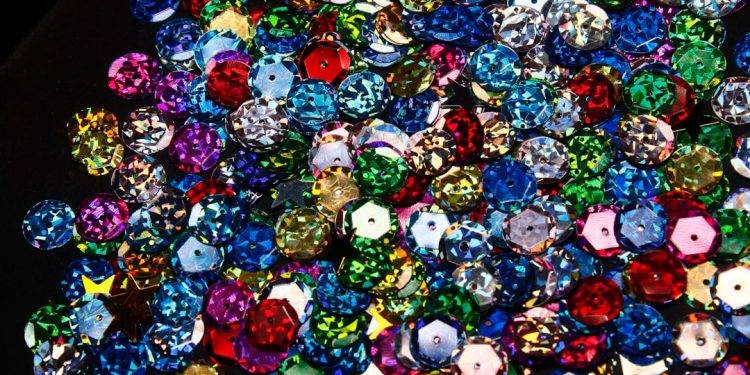
The wholesale gemstone market is experiencing a significant upswing in demand for colored gemstones, indicating a shift in consumer tastes and a renewed appreciation for the unique beauty and character these stones offer. This trend presents both opportunities and challenges for jewelry businesses navigating the complexities of sourcing and supply chain management.
A Rainbow of Opportunity: Colored Gemstones in High Demand
Forget the diamond-only narrative; the jewelry world is currently captivated by color. Wholesale gemstone suppliers are reporting a surge in orders for sapphires, emeralds, rubies, and a spectrum of other vibrant stones. This isn’t just a fleeting fad, but a sustained trend driven by several factors, including evolving fashion aesthetics, a desire for personalized jewelry, and a growing awareness of the diverse range of gemstones available.
“We’re seeing a real diversification in consumer preferences,” explains Anya Sharma, a leading gemologist and consultant. “People are moving away from the traditional, often homogenous, look and embracing stones that reflect their individual style and personality. Colored gemstones offer that unique element – no two are exactly alike.”
This shift is particularly noticeable among younger demographics, who are increasingly drawn to unique and ethically sourced gemstones. Their buying habits are also influenced by social media trends, where colorful, statement jewelry pieces are prominently featured. The increasing demand puts pressure on the supply chain. Jewelry businesses need to be more agile and strategic in their procurement processes to ensure they can meet customer demands without compromising quality or ethical standards.
The ‘Big Three’ and Beyond: Popular Choices in Colored Gems
While the entire colored gemstone market is benefiting from this surge in demand, some stones are experiencing particularly strong growth. Sapphires, emeralds, and rubies – often referred to as the “Big Three” – remain perennial favorites, commanding premium prices and consistent demand. However, other gemstones are also gaining popularity, including:
- Tourmaline: Available in a wide range of colors, from vibrant greens and blues to deep pinks and reds, tourmaline offers versatility and affordability.
- Aquamarine: Its delicate blue hue makes aquamarine a popular choice for spring and summer jewelry.
- Garnet: With its rich red color, garnet is a classic gemstone that is experiencing a resurgence in popularity.
- Spinel: This often-overlooked gemstone is gaining recognition for its brilliance and range of colors, including red, pink, blue, and purple.
- Morganite: Known for its delicate pink and peach hues, Morganite has become a popular alternative to diamonds in engagement rings.
The rising demand for these varied stones reflects a broader shift in consumer tastes. Customers are no longer solely focused on the traditional “big three” but are willing to explore other options that provide unique colors, cuts, and stories.
Navigating the Procurement Landscape: Challenges and Opportunities
The increased demand for colored gemstones presents both opportunities and challenges for jewelry businesses. On the one hand, it offers the potential to expand product offerings, attract new customers, and increase profitability. On the other hand, it requires navigating a complex and often opaque supply chain.
Sourcing high-quality colored gemstones can be challenging, particularly for smaller businesses. The market is fragmented, with many small-scale miners and dealers operating in remote locations. This can make it difficult to verify the origin and ethical sourcing of gemstones. It also means that procurement teams need to be vigilant to ensure they receive genuine stones and are not being sold synthetics or imitations.
One of the key challenges is ensuring ethical sourcing. Consumers are increasingly concerned about the social and environmental impact of their purchases, and they expect jewelry businesses to be transparent about their sourcing practices. This means that businesses need to invest in due diligence processes to ensure that their gemstones are sourced responsibly.
The Sourcing Integrity and Verification Protocol provides a framework for businesses to assess and mitigate risks in their supply chains. It outlines best practices for traceability, human rights, and environmental protection.
The Importance of Transparency and Traceability
Transparency and traceability are becoming increasingly important in the colored gemstone market. Consumers want to know where their gemstones come from, how they were mined, and whether they were sourced ethically. Jewelry businesses that can provide this information will have a competitive advantage.
Blockchain technology is emerging as a potential solution for enhancing transparency and traceability in the gemstone supply chain. By recording information about each gemstone on a secure, immutable ledger, blockchain can provide a verifiable record of its journey from mine to market. This can help to build trust with consumers and ensure that gemstones are sourced responsibly.
Companies that fail to adopt transparent and ethical sourcing practices risk reputational damage and loss of customers. Consumers are becoming more discerning and are willing to pay a premium for jewelry that is ethically sourced and environmentally sustainable.
The Impact of Lab-Grown Gemstones
The rise of lab-grown gemstones is also impacting the colored gemstone market. Lab-grown sapphires, emeralds, and rubies are becoming increasingly popular as an alternative to mined gemstones. They offer several advantages, including lower prices, guaranteed ethical sourcing, and consistent quality.
While lab-grown gemstones are not identical to mined gemstones, they are chemically and physically the same. This means that they have the same brilliance, color, and durability. As technology advances, it is becoming increasingly difficult to distinguish between lab-grown and mined gemstones.
The emergence of lab-grown colored gemstones is creating new opportunities for jewelry businesses. They can offer customers a wider range of options at different price points. They can also appeal to consumers who are concerned about the ethical and environmental impact of mined gemstones.
Strategies for Success in the Colored Gemstone Market
To succeed in the current colored gemstone market, jewelry businesses need to adopt a strategic approach to procurement, marketing, and sales. Here are some key strategies:
- Diversify sourcing: Don’t rely on a single supplier. Develop relationships with multiple suppliers to ensure a consistent supply of high-quality gemstones.
- Invest in due diligence: Conduct thorough due diligence on all suppliers to ensure ethical sourcing and compliance with regulations.
- Embrace transparency: Be transparent with customers about the origin and sourcing of your gemstones.
- Offer a range of options: Provide customers with a variety of colored gemstones at different price points, including both mined and lab-grown options.
- Educate customers: Educate customers about the unique characteristics and value of colored gemstones.
- Develop a strong online presence: Use social media and e-commerce platforms to reach a wider audience and showcase your colored gemstone jewelry.
- Stay ahead of trends: Monitor fashion trends and consumer preferences to anticipate future demand for colored gemstones.
The Role of the Global Jewelry Sourcing Index
The Global Jewelry Sourcing Index (GJSI) is a valuable resource for jewelry businesses looking to navigate the complexities of global sourcing. The GJSI provides data and insights on sourcing costs, risks, and opportunities in different countries. It can help businesses to make informed decisions about where to source their gemstones and how to manage their supply chains effectively.
The GJSI also highlights the importance of ethical sourcing and transparency. It encourages businesses to adopt responsible sourcing practices and to be transparent with customers about the origin of their gemstones.
Looking Ahead: The Future of the Colored Gemstone Market
The colored gemstone market is expected to continue to grow in the coming years, driven by increasing consumer demand, evolving fashion trends, and the rise of lab-grown gemstones. Jewelry businesses that can adapt to these changes and adopt a strategic approach to procurement, marketing, and sales will be well-positioned to succeed.
The key to success will be to focus on transparency, ethical sourcing, and customer education. Businesses that can build trust with consumers and provide them with high-quality, ethically sourced gemstones will be the winners in the long run.
For businesses seeking further guidance, the Jewelry Business Growth Playbook offers actionable strategies for expanding market reach and optimizing operations in a dynamic environment. It covers key areas such as marketing, sales, and supply chain management, providing a comprehensive guide for sustainable growth.
The current surge in demand for colored gemstones represents a significant opportunity for the jewelry industry. By embracing innovation, prioritizing ethical sourcing, and adapting to evolving consumer preferences, businesses can unlock the full potential of this vibrant and dynamic market.
Recommended products
-
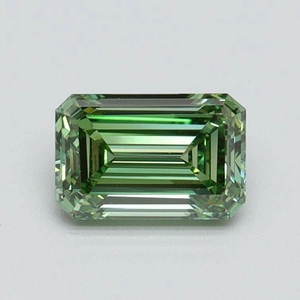
0.77 Ct. Fancy Vivid Green Emerald Lab Grown Diamond
About Ebooom:Discover the brilliance of lab-grown diamonds, a perfect blend of l…
0 reviews
Create You Own -
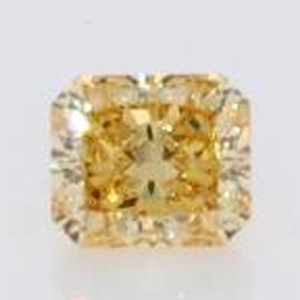
1.085 carat Clarity: VS Size: 5.59 * 5.56 * 3.92
This colorful yellow princess diamond is like the mature beauty that blooms in a…
0 reviews
Yellow Diamond -
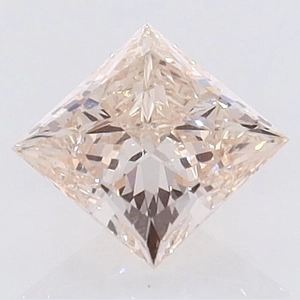
2/04 carat Clarity: VS Size: 6.96 * 7.04 * 4.65
This colorful yellow princess square shaped diamond is like the mature beauty th…
0 reviews
Yellow Diamond -
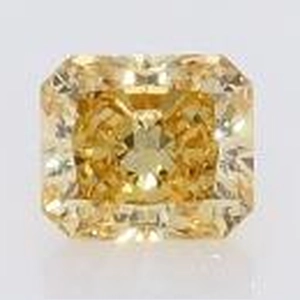
5.03 carat Clarity: VS Size: 9.44 * 9.52 * 6.5
This brilliant yellow Radiant shaped diamond is like the mature beauty of autumn…
0 reviews
Yellow Diamond Only a few left