
What is the difference between natural diamonds and cultivated diamonds? Can others tell if it's an artificial diamond when I wear it on my hand?
Featured
Wearing nurturing diamonds is completely invisible to others. Even gemologists cannot tell with the naked eye. If you still don't rest assured, feel guilty and afraid! How could it have such a good effect? The official GIA also stated in a statement that "naturally formed diamonds and laboratory grown diamonds have essentially the same chemical, physical, and optical properties as natural diamonds, both of which are diamonds." It was acknowledged that cultivated diamonds are also diamonds. Then I'll describe it to you.
It can be seen that both cultivated diamonds and mineral diamonds are chemically formed into C carbon, with the same Mohs hardness of 10, refractive index of 2.42, and dispersion of 0.044, right? The two have the same chemical composition and physics, and with the same cutting and polishing standards as natural diamonds, the resulting fire color effect is also the same. So when you wear it, others are certain not to see it.
Natural diamonds. 3 billion years ago, natural diamonds were formed in the depths of the Earth's crust under extreme high temperatures and pressures, with strict environmental requirements. Volcanic activity brings them to the surface and hides them in a type of volcanic rock called kimberlite tubes, with approximately 5% of kimberlite tubes containing enough diamonds. There are many diamonds in reality, but they are monopolized by giants.
There are currently two mature methods for cultivating diamonds:
The High Pressure High Temperature (HPHT) method is used to create a high-pressure and high-temperature environment in the laboratory, which simulates the formation conditions of natural diamonds in the depths of the Earth. This process can produce diamond crystals of various shapes, which are the raw stones I use to cut.
The Chemical Vapor Precipitation (CVD) method first decomposes carbon rich gases (such as methane) into carbon and hydrogen atoms, and then deposits them on diamond seeds to form flat and square diamond crystals, similar to thickened glass sheets.
Therefore, natural diamonds and cultivated diamonds share the same chemical, physical, and optical properties. Traditional gemological observation methods and old-fashioned "diamond detectors" cannot detect their differences. Only in professional gemological laboratories for identification, or using precision equipment developed by some professional institutions (such as GIA iD100)
Recommended products
-
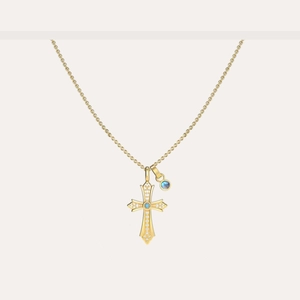
Faith Energy Cross Blue Diamond Pendant with Moonstone
0 reviews
Associated Organization showcase -
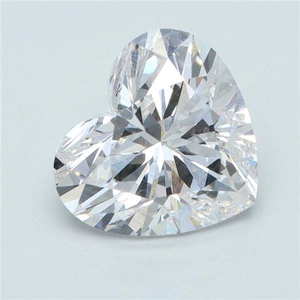
2.18 Carat Heart Lab Diamond
0 reviews
Loose Diamond & White Diamond -
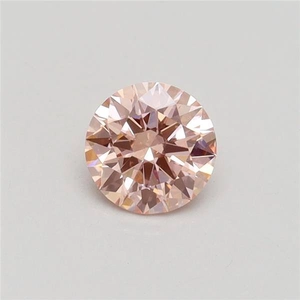
0.52 Ct. Fancy Intense Pink Round Lab Grown Diamond
0 reviews
Pink Diamond -
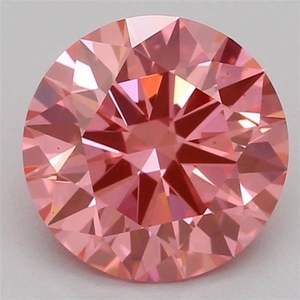
1.06 Ct. Fancy Pink Round Lab Grown Diamond
0 reviews
Hot Sell