
The import volume of natural diamond blanks in India sharply decreased in October
Featured
The import volume of natural diamond blanks in India sharply decreased in October, and diamond prices may receive greater support
India is a midstream country in the diamond industry, responsible for 90% of the global diamond cutting and grinding work. Therefore, diamond blanks are its "raw materials", while bare diamonds can be considered its "products".
Although the October report of GJEPC has not yet been released, some media in India have already provided several important sets of data in advance.
During October 1-15, the total import volume of raw materials from India was 3.837 million carats. After suspending the import of raw materials throughout the industry, the total import volume of raw materials in the second half of the month (16-31) was only 1.446 million carats, a decrease of 62.3% compared to the first half. (Note: The imports in the second half of the month are all orders before the implementation of the purchase suspension)
From a data perspective, the effect of this suspension of imports is very obvious, so some reports suggest that the prices of rough and bare diamonds will receive greater support as a result. Although the industry has not seen a rapid market rebound, and the "encroachment effect" of cultivating diamonds still exists, there is hope that natural diamond prices will stop falling.
In previous articles, we described the slight increase in natural bare diamond prices provided by Rapport, which can serve as evidence and reference.
In addition, the "Natural Diamond Rough Price Index" produced by Paul Zimnisky also shows a slight rebound in rough prices after the cessation of purchases.
It is obvious that the midstream, as the "throat" of the industry, is currently taking proactive measures to assist in maintaining the supply and demand balance of natural diamonds. As GJEPC Chairman Vipul Shah said, "Stopping the import of raw materials is a way to protect industry interests. We need to control supply to reduce overall inventory while keeping waiting until demand increases. The market will improve
Recommended products
-
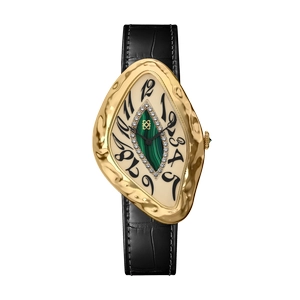
Paradoxe Diamond Watch
0 reviews
Aurora fine jewelry -
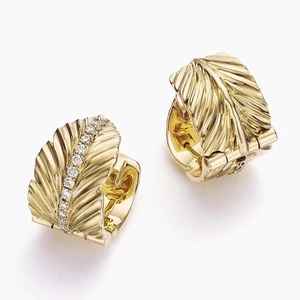
14K Yellow GoldJane Goodall Leaf Lab Diamond Huggie Earrings
0 reviews
Hot Sell -
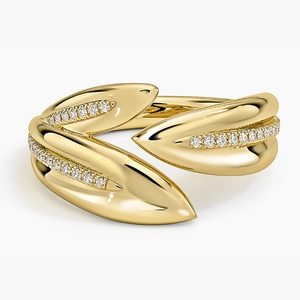
Jane Goodall Olive Branch Lab Diamond Ring (1/8 ct. tw.) in 14K Yellow Gold
0 reviews
Special Especially -
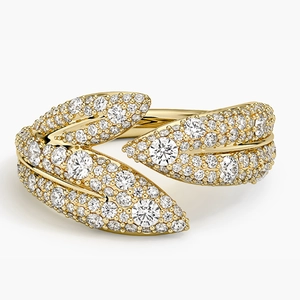
Jane Goodall Pavé Olive Branch Lab Diamond Ring (7/8 ct. tw.) in 14K Yellow Gold
0 reviews
Special Especially