
G7 Leaders Prioritize Ethical Mineral Supply Chains, Diamonds Included
Featured
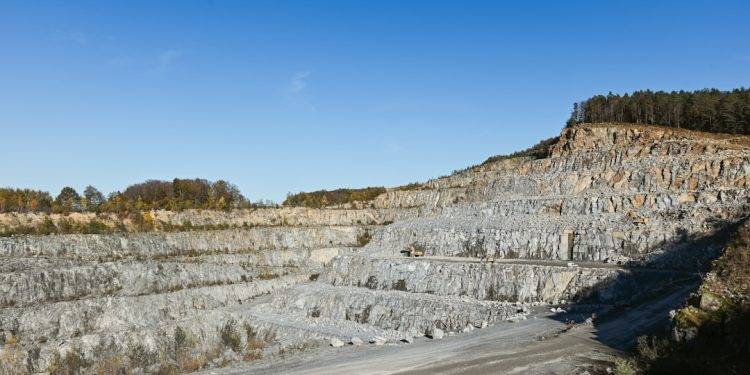
At the recent G7 summit, world leaders underscored the critical importance of responsible mineral sourcing, with a particular focus on diamonds. Discussions centered on enhancing supply chain transparency and promoting ethical practices to combat conflict minerals and foster sustainable development within the global gemstone industry.
G7’s Commitment to Responsible Sourcing
The Group of Seven (G7) nations, comprising Canada, France, Germany, Italy, Japan, the United Kingdom, and the United States, convened to address pressing global issues, including the ethical dimensions of mineral supply chains. Recognizing the potential for minerals, including diamonds, to fuel conflict and human rights abuses, the G7 leaders reaffirmed their commitment to promoting responsible sourcing practices throughout the industry.
The discussions at the summit highlighted the need for increased transparency and accountability in mineral supply chains. Leaders emphasized the importance of implementing robust due diligence measures to ensure that minerals are sourced in a manner that respects human rights, protects the environment, and contributes to sustainable development in producing countries. This aligns with growing consumer expectations for ethically sourced jewelry, as detailed in the Jewelry Business Growth Playbook.
Diamonds Under the Microscope
Diamonds, a high-value commodity often associated with conflict and human rights concerns, received specific attention during the G7 summit. The leaders acknowledged the progress made through initiatives like the Kimberley Process Certification Scheme in combating the trade in conflict diamonds, but also recognized the need for continued vigilance and improvement. The Kimberley Process, while a crucial step, faces ongoing criticism regarding its scope and effectiveness in addressing broader human rights and environmental issues within the diamond industry.
The G7 leaders explored strategies to strengthen the Kimberley Process and enhance its ability to prevent conflict diamonds from entering legitimate supply chains. They also discussed the potential for leveraging technology, such as blockchain, to improve traceability and transparency in the diamond industry. Blockchain technology offers the potential to create a secure and immutable record of a diamond’s journey from mine to market, providing consumers with greater confidence in the ethical provenance of their purchases.
Combating Conflict Minerals
Beyond diamonds, the G7 summit addressed the broader issue of conflict minerals, which include tin, tantalum, tungsten, and gold (3TG). These minerals are often mined in conflict-affected areas and used to finance armed groups and perpetuate violence. The leaders reiterated their commitment to implementing and enforcing regulations that require companies to conduct due diligence on their 3TG supply chains to ensure that they are not contributing to conflict or human rights abuses.
The G7 nations have been at the forefront of efforts to combat conflict minerals, with many countries enacting legislation that requires companies to report on their sourcing practices. The Dodd-Frank Act in the United States, for example, requires companies to disclose whether their products contain conflict minerals from the Democratic Republic of Congo and its neighboring countries. Similar regulations have been implemented in the European Union and other jurisdictions.
Promoting Sustainable Development
The G7 summit also emphasized the importance of promoting sustainable development in mineral-producing countries. Leaders recognized that responsible mineral sourcing can contribute to economic growth, poverty reduction, and improved social and environmental outcomes in these regions. They discussed ways to support initiatives that promote responsible mining practices, empower local communities, and protect the environment.
The G7 leaders highlighted the need for collaboration between governments, industry, and civil society to achieve sustainable development goals in the mineral sector. They encouraged companies to invest in responsible mining practices, support local communities, and promote environmental stewardship. They also emphasized the importance of transparency and accountability in mineral governance, ensuring that revenues from mineral extraction are used to benefit local populations.
The Role of the Jewelry Industry
The G7’s focus on responsible mineral sourcing has significant implications for the jewelry industry, which relies heavily on diamonds, gold, and other precious metals. Jewelry companies are increasingly under pressure from consumers and investors to demonstrate that their products are ethically sourced and environmentally responsible. This is further amplified by tools like the Global Jewelry Sourcing Index, which provides benchmarks for ethical sourcing.
To meet these expectations, jewelry companies are implementing a range of measures, including conducting due diligence on their supply chains, sourcing from certified suppliers, and investing in traceability technologies. Some companies are also working directly with mining communities to promote responsible mining practices and support local development. The Sourcing Integrity and Verification Protocol offers a framework for these efforts.
The G7’s commitment to responsible mineral sourcing provides a strong impetus for the jewelry industry to accelerate its efforts to promote ethical and sustainable practices. By working together, governments, industry, and civil society can ensure that the jewelry industry contributes to a more just and sustainable world.
Looking Ahead
The G7 summit’s focus on responsible mineral sourcing is a welcome development for the jewelry industry and for consumers who care about the ethical provenance of their purchases. The challenge now is to translate the G7’s commitments into concrete actions that will drive meaningful change on the ground. This will require continued collaboration between governments, industry, and civil society, as well as a willingness to invest in responsible sourcing practices and promote transparency and accountability throughout the mineral supply chain.
As the jewelry industry continues to evolve, ethical and sustainable practices will become increasingly important for maintaining consumer trust and ensuring long-term success. The G7’s commitment to responsible mineral sourcing provides a framework for the industry to move forward in a more sustainable and ethical direction, creating a positive impact on both people and the planet.
The discussions at the G7 summit serve as a reminder that the journey towards responsible mineral sourcing is an ongoing process. It requires constant vigilance, adaptation, and a commitment to continuous improvement. By embracing these principles, the jewelry industry can play a leading role in creating a more ethical and sustainable future for all.
The emphasis on transparency, traceability, and ethical conduct within the mineral supply chain, as highlighted by the G7, is not merely a trend but a fundamental shift in how businesses are expected to operate. This shift demands proactive engagement from all stakeholders, from miners and manufacturers to retailers and consumers. By embracing responsible sourcing practices, the jewelry industry can not only mitigate risks but also create new opportunities for growth and innovation.
Ultimately, the G7’s focus on responsible mineral sourcing reflects a growing global awareness of the interconnectedness between economic activity, social well-being, and environmental sustainability. As consumers become more informed and discerning, they are increasingly demanding that the products they purchase are not only beautiful and valuable but also ethically and sustainably produced. The jewelry industry, with its unique connection to the earth and its rich cultural heritage, has a special responsibility to meet these expectations and contribute to a more just and sustainable world.