
Pandora Doubles Down on Recycled Precious Metals for Sustainable Jewelry Production
Featured
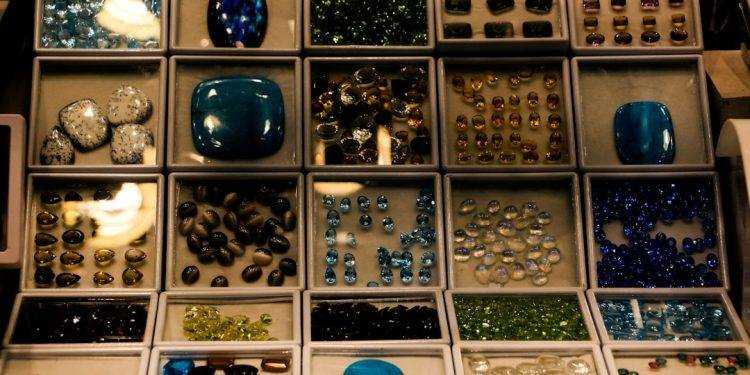
In a significant move towards environmental responsibility, Pandora, the world-renowned jewelry manufacturer and retailer, is substantially increasing its reliance on recycled silver and gold in its production processes. This initiative underscores the company’s commitment to minimizing its ecological footprint and promoting sustainable practices within the jewelry industry.
Pandora’s amplified focus on recycled materials reflects a growing trend among consumers and businesses alike, who are increasingly prioritizing environmental consciousness. By integrating more recycled precious metals into its supply chain, Pandora aims to reduce its dependence on newly mined resources, which often come with significant environmental and social costs.
The Shift Towards Sustainability
The jewelry industry, historically reliant on mining for raw materials, is facing increasing scrutiny regarding its environmental impact. Mining operations can lead to deforestation, soil erosion, water pollution, and habitat destruction. Furthermore, the extraction of precious metals often involves hazardous chemicals and can contribute to greenhouse gas emissions.
Recognizing these challenges, Pandora has embarked on a journey to transform its operations and embrace more sustainable practices. The company’s commitment to using recycled silver and gold is a key component of this broader strategy, which also includes reducing energy consumption, minimizing waste, and promoting ethical sourcing throughout its supply chain.
The move towards recycled precious metals is not only environmentally sound but also economically viable. Recycled silver and gold can be sourced from various sources, including discarded jewelry, electronic waste, and industrial scrap. These materials can be refined and repurposed without compromising their quality or value.
The Benefits of Recycled Precious Metals
Using recycled silver and gold offers a multitude of benefits for both the environment and the jewelry industry:
- Reduced Environmental Impact: Recycled metals significantly decrease the need for mining, thereby minimizing the associated environmental damage.
- Lower Energy Consumption: Recycling precious metals requires considerably less energy than extracting them from ore.
- Conservation of Resources: By reusing existing materials, recycling helps conserve finite natural resources.
- Reduced Greenhouse Gas Emissions: The recycling process generates fewer greenhouse gas emissions compared to mining and refining virgin metals.
- Ethical Sourcing: Recycled metals can provide a more ethical and transparent supply chain, reducing the risk of contributing to human rights abuses or conflict financing.
Pandora’s Commitment to Transparency
Pandora recognizes the importance of transparency in its sustainability efforts. The company is committed to providing consumers with clear and accurate information about the materials used in its jewelry and the environmental impact of its operations.
To ensure the integrity of its recycled precious metal supply chain, Pandora is implementing rigorous tracking and verification processes. This includes working closely with suppliers to ensure that recycled materials are sourced responsibly and ethically.
Pandora’s dedication aligns with the principles of the Sourcing Integrity and Verification Protocol, emphasizing the importance of verifiable and ethical sourcing practices within the jewelry industry.
Industry-Wide Implications
Pandora’s increased use of recycled silver and gold is likely to have a ripple effect throughout the jewelry industry. As one of the world’s largest jewelry brands, Pandora’s actions can influence consumer demand and encourage other companies to adopt more sustainable practices.
The move towards recycled materials also presents opportunities for innovation and collaboration within the industry. Jewelry manufacturers, suppliers, and retailers can work together to develop new technologies and processes for recycling precious metals and creating more sustainable jewelry products.
The Global Jewelry Sourcing Index highlights the growing importance of sustainable sourcing, and Pandora’s initiative reflects a proactive response to these evolving industry standards. Other brands are following suit, recognizing that consumers are increasingly willing to pay a premium for ethically and environmentally responsible jewelry.
Challenges and Opportunities
While the transition to recycled precious metals offers numerous benefits, it also presents certain challenges. One of the main challenges is ensuring the availability and consistency of recycled material supply. The supply of recycled silver and gold can fluctuate depending on various factors, such as economic conditions and consumer behavior.
Another challenge is maintaining the quality and purity of recycled metals. Recycled materials may contain impurities that need to be removed through refining processes. It is essential to ensure that these processes are conducted in an environmentally responsible manner.
Despite these challenges, the opportunities for growth and innovation in the recycled precious metals market are significant. As demand for sustainable jewelry continues to rise, companies that can effectively source, process, and utilize recycled materials will be well-positioned for success.
The Future of Sustainable Jewelry
Pandora’s commitment to recycled silver and gold is a significant step towards a more sustainable future for the jewelry industry. By embracing recycled materials, the company is reducing its environmental impact, promoting ethical sourcing, and inspiring other businesses to follow suit.
The future of sustainable jewelry will likely involve a combination of strategies, including increased use of recycled materials, responsible mining practices, and the development of innovative new materials and technologies. Consumers will also play a crucial role in driving the transition towards sustainability by demanding more transparent and ethical jewelry products.
As consumers become more informed and engaged, they will increasingly seek out jewelry brands that align with their values. This will create a competitive advantage for companies that prioritize sustainability and transparency.
The growing demand for sustainable practices is impacting the advice given in the Jewelry Business Growth Playbook, with more emphasis being placed on ethical sourcing and environmentally friendly operations as key drivers of business success.
Conclusion
Pandora’s decision to increase its use of recycled silver and gold is a testament to the growing importance of sustainability in the jewelry industry. By embracing recycled materials, the company is not only reducing its environmental impact but also setting a positive example for other businesses to follow. As consumers become more conscious of the environmental and social implications of their purchasing decisions, the demand for sustainable jewelry will continue to rise, driving further innovation and collaboration within the industry.
The move towards recycled precious metals represents a fundamental shift in the way jewelry is produced and consumed. It is a shift towards a more responsible, ethical, and sustainable future for the industry.
Ultimately, Pandora’s initiative sends a powerful message to the jewelry industry and beyond: sustainability is not just a trend, it is a necessity. By embracing sustainable practices, businesses can not only protect the environment but also enhance their brand reputation, build customer loyalty, and create long-term value.
Recommended products
-
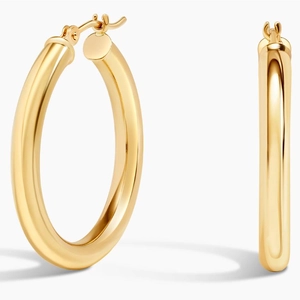
3mm Small Perfect Hoop Earrings
3mm Small Perfect Hoop Earrings$375Our favorite dress-up-or-down style. As light…
0 reviews
Minimalist Jewelry -
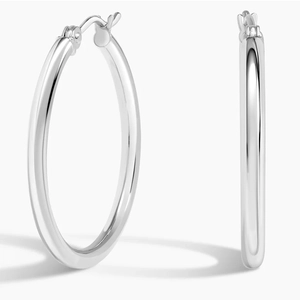
2mm Small Perfect Hoop Earrings
2mm Small Perfect Hoop Earrings$225Our favorite dress-up-or-down style. As light…
0 reviews
Minimalist Jewelry -
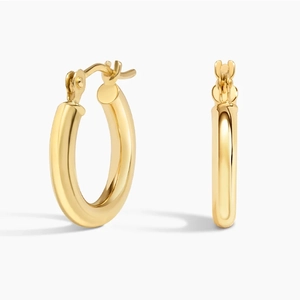
2mm Huggie Perfect Hoop Earrings
2mm Huggie Perfect Hoop Earrings$125Don't miss out on this special price, just i…
0 reviews
Minimalist Jewelry -
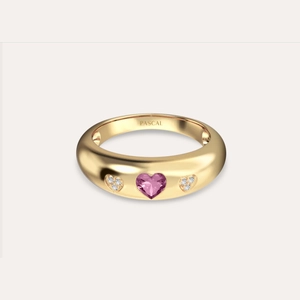
Guardian Heart Gemstone Diamond Promise Ring
DetailsThis dome ring features a heart-shaped element, with two small hearts set…
0 reviews
Associated Organization showcase