
High-End Jewelers Redefine Retail: The Digital Transformation
Featured
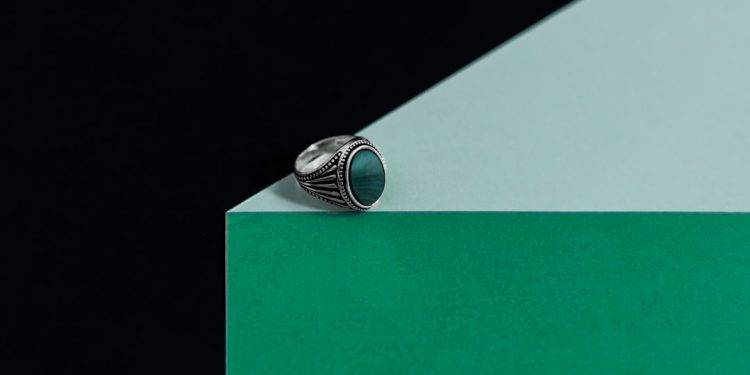
Luxury jewelry brands are strategically expanding their presence into the digital realm, recognizing e-commerce as a pivotal channel to engage with a broader and increasingly tech-savvy clientele. This move signifies a shift in the traditional high-end jewelry market, opening doors for enhanced accessibility and personalized shopping experiences.
The Allure of Online Luxury
For decades, the purchase of fine jewelry has been intrinsically linked to the in-person experience: the hushed atmosphere of a boutique, the attentive service of a knowledgeable salesperson, and the tactile sensation of precious metals and gemstones against the skin. However, the digital revolution has reshaped consumer expectations across all sectors, and the luxury jewelry market is no exception. High-end brands are now recognizing that e-commerce is not merely a supplementary sales channel but a crucial component of a comprehensive retail strategy.
The primary driver behind this shift is accessibility. Online platforms shatter geographical barriers, enabling brands to reach potential customers in markets where they may not have a physical presence. A consumer in rural Montana, for instance, can now browse the collections of a Parisian jeweler with the same ease as a customer visiting their flagship store on the Champs-Élysées. This expanded reach translates to significant growth opportunities, particularly in emerging markets where demand for luxury goods is rapidly increasing.
Furthermore, e-commerce offers unparalleled convenience. Busy professionals and discerning shoppers value the ability to browse and purchase jewelry at their leisure, without the constraints of store hours or the pressure of a sales environment. Online platforms allow customers to carefully consider their options, compare prices, and read reviews before making a decision. This level of control and information empowers consumers and fosters a sense of confidence in their purchases.
Crafting the Digital Experience
The successful integration of e-commerce into the luxury jewelry market requires more than simply uploading product images to a website. Brands must meticulously craft a digital experience that mirrors the exclusivity and sophistication of their physical stores. This involves a multi-faceted approach that encompasses website design, product photography, customer service, and marketing.
Website design is paramount. The online platform must be visually appealing, easy to navigate, and optimized for both desktop and mobile devices. High-resolution images and detailed product descriptions are essential for showcasing the craftsmanship and beauty of each piece. Virtual try-on tools and 360-degree product views can further enhance the online shopping experience, allowing customers to visualize how a piece will look on them.
Exceptional customer service is equally crucial. Luxury brands must provide prompt and personalized support to online customers, addressing their questions and concerns with the same level of attention they would receive in a physical store. Live chat, email, and phone support should be readily available, and customer service representatives should be highly trained and knowledgeable about the brand’s products and history.
Marketing plays a vital role in driving traffic to online platforms and converting browsers into buyers. Luxury jewelry brands are increasingly leveraging digital marketing channels such as social media, search engine optimization (SEO), and email marketing to reach their target audiences. Influencer marketing is also gaining traction, with brands partnering with fashion bloggers and celebrities to promote their products to a wider audience.
The Importance of Trust and Transparency
In the luxury market, trust and transparency are paramount. Consumers are willing to pay a premium for high-end jewelry, but they expect assurances that the products they are purchasing are authentic, ethically sourced, and of exceptional quality. E-commerce platforms must address these concerns by providing detailed information about the materials used in each piece, the craftsmanship involved in its creation, and the brand’s commitment to ethical sourcing practices.
Third-party certifications and accreditations can further enhance consumer confidence. For example, certifications from organizations like the Gemological Institute of America (GIA) and the International Gemological Society (IGS) provide independent verification of the quality and authenticity of gemstones. Brands that adhere to rigorous ethical sourcing standards, such as the Sourcing Integrity and Verification Protocol, can also build trust with consumers who are increasingly concerned about the social and environmental impact of their purchases.
The Global Jewelry Sourcing Index can also provide valuable insights into ethical and sustainable sourcing practices, helping brands make informed decisions about their supply chains and demonstrate their commitment to responsible sourcing.
Challenges and Opportunities
While e-commerce presents significant opportunities for luxury jewelry brands, it also poses several challenges. One of the biggest hurdles is overcoming the inherent limitations of online shopping. Consumers cannot physically touch or try on jewelry before they purchase it, which can make it difficult to assess its quality and fit. Brands must address this challenge by providing detailed product information, high-quality images, and virtual try-on tools.
Another challenge is managing returns. Luxury jewelry purchases often involve significant financial investments, and consumers may be hesitant to buy online if they are unsure about the return policy. Brands must offer flexible and convenient return options to alleviate these concerns. Free returns, extended return windows, and in-store returns can all help to build consumer confidence.
Despite these challenges, the opportunities presented by e-commerce far outweigh the risks. By embracing digital technology and crafting compelling online experiences, luxury jewelry brands can reach new audiences, increase sales, and strengthen their brand image. The key is to approach e-commerce strategically, with a focus on providing exceptional customer service, building trust, and showcasing the unique value proposition of each brand.
The Future of Luxury Jewelry Retail
The integration of e-commerce into the luxury jewelry market is not a temporary trend but a fundamental shift in the way consumers shop for high-end goods. As technology continues to evolve, we can expect to see even more innovative approaches to online jewelry retail. Augmented reality (AR) and virtual reality (VR) technologies, for example, could allow consumers to virtually try on jewelry in their own homes, providing a more immersive and personalized shopping experience.
Artificial intelligence (AI) is also poised to play a significant role in the future of luxury jewelry retail. AI-powered chatbots can provide instant customer support, answering questions and resolving issues in real-time. AI algorithms can also be used to personalize product recommendations, tailoring the shopping experience to each individual customer’s preferences and needs. Furthermore, AI can assist in detecting fraudulent transactions and ensuring the security of online payments.
The Jewelry Business Growth Playbook offers further guidance on leveraging digital technologies and adapting to the evolving retail landscape.
In conclusion, the luxury jewelry market is undergoing a significant transformation, driven by the rise of e-commerce and the changing expectations of consumers. Brands that embrace digital technology and prioritize the online customer experience will be best positioned to thrive in this dynamic and competitive environment. The future of luxury jewelry retail is online, and brands that fail to adapt risk being left behind.