
Surat’s Diamond Sector Embraces Automation for Enhanced Production
Featured
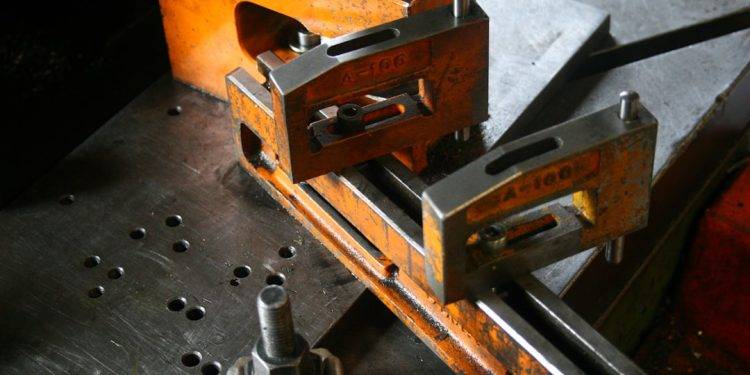
The diamond manufacturing hub of Surat, India, is undergoing a significant transformation as businesses increasingly invest in automation technologies. This strategic shift aims to bolster efficiency, increase production capacity, and maintain a competitive edge in the global diamond market.
Surat, renowned as a global center for diamond cutting and polishing, processes a substantial portion of the world’s rough diamonds. However, rising labor costs, evolving market demands, and the need for greater precision have prompted the industry to embrace technological advancements. By integrating automation into various stages of the diamond manufacturing process, Surat-based companies are striving to optimize their operations and achieve higher levels of productivity.
Driving Forces Behind Automation Adoption
Several factors are contributing to the growing adoption of automation within Surat’s diamond industry:
Increased Efficiency and Throughput
Automated systems can perform repetitive tasks with greater speed and accuracy compared to manual labor. This leads to a significant increase in throughput, allowing companies to process a larger volume of diamonds in a shorter period. Automating tasks such as diamond sorting, cutting, and polishing can reduce processing times and improve overall efficiency.
Enhanced Precision and Quality
Automation enables greater precision in diamond cutting and polishing, minimizing errors and maximizing the yield of polished stones. Computer-controlled machines can execute intricate cuts and angles with unparalleled accuracy, resulting in higher-quality diamonds that command premium prices in the market. This precision is crucial for meeting the stringent quality standards demanded by international buyers.
Reduced Labor Costs
While the initial investment in automation can be substantial, it can lead to significant cost savings in the long run by reducing the reliance on manual labor. As labor costs continue to rise, automation becomes an increasingly attractive option for diamond manufacturers seeking to maintain their competitiveness. By automating labor-intensive tasks, companies can optimize their workforce and allocate resources to other areas of the business.
Improved Worker Safety
Certain tasks in diamond manufacturing can be hazardous, exposing workers to potential injuries. Automation can help mitigate these risks by removing workers from dangerous environments and automating potentially harmful processes. This not only protects workers’ well-being but also reduces the risk of workplace accidents and associated costs.
Meeting Evolving Market Demands
The global diamond market is constantly evolving, with consumers demanding higher levels of quality, transparency, and ethical sourcing. Automation can help diamond manufacturers meet these demands by improving traceability, ensuring consistent quality, and optimizing production processes. By embracing technology, companies can enhance their reputation and build trust with customers.
Areas of Automation Implementation
Automation is being implemented across various stages of the diamond manufacturing process, including:
Diamond Sorting and Grading
Automated sorting systems use advanced imaging and scanning technologies to classify diamonds based on their size, shape, color, and clarity. These systems can process large volumes of diamonds quickly and accurately, reducing the need for manual sorting and grading. This is also important to the Sourcing Integrity and Verification Protocol by ensuring accurate tracking of stones.
Diamond Cutting and Polishing
Computer-controlled cutting and polishing machines can execute intricate cuts and angles with exceptional precision. These machines use sophisticated algorithms to optimize the cutting process, maximizing the yield of polished stones and minimizing waste. Automated polishing systems can also achieve a higher level of surface finish, enhancing the brilliance and fire of the diamond.
Diamond Inventory Management
Automated inventory management systems use barcoding and RFID technology to track diamonds throughout the manufacturing process. These systems provide real-time visibility into inventory levels, helping companies optimize their supply chain and reduce the risk of loss or theft. Accurate inventory management is also crucial for ensuring compliance with regulatory requirements and industry standards.
Quality Control and Inspection
Automated inspection systems use high-resolution cameras and image processing software to detect flaws and imperfections in diamonds. These systems can identify even the smallest blemishes that may not be visible to the naked eye, ensuring that only high-quality diamonds are released to the market. Automated quality control helps maintain consistent quality standards and reduces the risk of customer returns.
Challenges and Opportunities
While automation offers numerous benefits, its implementation also presents certain challenges:
High Initial Investment
The cost of purchasing and implementing automated systems can be substantial, particularly for small and medium-sized enterprises (SMEs). However, government incentives and financing options may be available to help companies overcome this barrier. Moreover, the long-term cost savings and increased efficiency can justify the initial investment.
Need for Skilled Workforce
Operating and maintaining automated systems requires a skilled workforce with expertise in programming, robotics, and engineering. Companies need to invest in training and development programs to equip their employees with the necessary skills. Collaboration with vocational schools and technical colleges can help bridge the skills gap.
Resistance to Change
Some workers may resist the adoption of automation due to concerns about job displacement. Companies need to communicate the benefits of automation clearly and provide retraining opportunities for workers whose jobs may be affected. Emphasizing that automation can create new, higher-skilled jobs can help alleviate concerns and foster a more positive attitude towards technological change.
Despite these challenges, the opportunities presented by automation are significant. By embracing technology, Surat’s diamond industry can enhance its competitiveness, improve its productivity, and meet the evolving demands of the global market. The Global Jewelry Sourcing Index highlights the importance of technological advancement for maintaining a strong position in the global market.
The Future of Diamond Manufacturing in Surat
The adoption of automation is expected to continue to accelerate in the coming years, transforming the landscape of diamond manufacturing in Surat. As technology advances and costs decrease, even more companies are likely to embrace automation to optimize their operations and gain a competitive edge.
In addition to automation, other technological innovations such as artificial intelligence (AI) and blockchain are also poised to play a significant role in the future of the diamond industry. AI can be used to improve diamond grading, predict market trends, and personalize customer experiences. Blockchain technology can enhance transparency and traceability in the diamond supply chain, addressing concerns about ethical sourcing and conflict diamonds.
By embracing these technological advancements, Surat’s diamond industry can solidify its position as a global leader and continue to thrive in the years to come. Understanding and implementing key principles from the Jewelry Business Growth Playbook will be crucial for navigating this technological shift and maximizing its benefits.
Conclusion
The increasing investment in automation by Surat’s diamond industry marks a pivotal moment in the sector’s evolution. This strategic move promises to enhance efficiency, precision, and competitiveness, ensuring Surat remains a dominant force in the global diamond market. While challenges remain, the long-term benefits of automation, coupled with emerging technologies like AI and blockchain, position Surat for continued success and innovation in the years ahead.
Recommended products
-
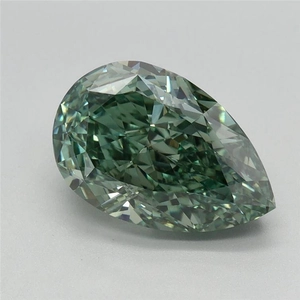
2.19 Ct. Fancy Grey Green Pear Lab Grown Diamond
About Ebooom:Discover the brilliance of lab-grown diamonds, a perfect blend of l…
0 reviews
Special Especially -
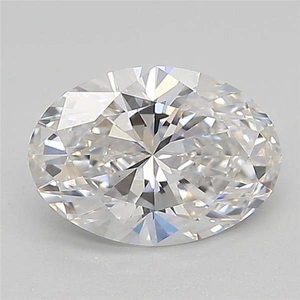
0.85 Carat Oval Lab Diamond
About Ebooom:Discover the brilliance of lab-grown diamonds, a perfect blend of l…
0 reviews
Carbon Capture -
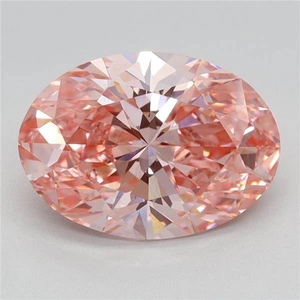
2.25 Ct. Fancy Vivid Pink Oval Lab Grown Diamond
About Ebooom:Discover the brilliance of lab-grown diamonds, a perfect blend of l…
0 reviews
Create You Own -

Flower Round Diamond Ring
Crafted for those who love to explore, 2.74-carat lab-grown diamond ring is a sy…
0 reviews
Designer Brand Showcase Only a few left