
E-Commerce Surge Reshapes Diamond Retail Landscape
Featured

The diamond industry is undergoing a significant transformation, with data revealing a consistent upward trajectory in online sales. This shift underscores the increasing preference of consumers for digital retail channels when purchasing diamonds and diamond jewelry. As e-commerce platforms mature and offer enhanced shopping experiences, traditional brick-and-mortar stores face new challenges and opportunities to adapt.
The Digital Diamond Rush
Recent analysis of diamond market trends highlights the sustained growth of online diamond sales. This expansion is fueled by several factors, including increased internet penetration, the convenience of online shopping, and the enhanced transparency and information available to consumers. Online retailers are responding to this demand by expanding their product offerings, improving website functionality, and investing in customer service to create a seamless and satisfying online shopping experience.
The digital realm offers consumers a vast selection of diamonds, cuts, and settings, often at competitive prices. Furthermore, the ability to compare different options side-by-side and access detailed information, such as diamond grading reports and 360-degree views, empowers consumers to make informed purchasing decisions. This level of transparency is particularly appealing to younger demographics, who are increasingly drawn to online shopping for its convenience and accessibility.
Enhancing the Online Customer Experience
The success of online diamond retailers hinges on their ability to replicate, and even surpass, the experience of shopping in a physical store. This involves several key strategies:
- High-Quality Imagery and Video: Providing clear, detailed images and videos of diamonds is crucial for showcasing their brilliance and characteristics.
- Virtual Try-On Tools: Allowing customers to virtually try on rings and other jewelry items helps them visualize how the pieces will look on them.
- Detailed Product Information: Providing comprehensive information about diamond grading, cut, clarity, and carat weight builds trust and transparency.
- Personalized Recommendations: Using data analytics to provide personalized product recommendations based on customer preferences and browsing history enhances the shopping experience.
- Exceptional Customer Service: Offering responsive and helpful customer service through live chat, email, and phone support is essential for addressing customer inquiries and resolving issues.
- Secure and Convenient Payment Options: Providing a variety of secure payment options and ensuring a smooth and hassle-free checkout process is critical for completing sales.
The Impact on Traditional Retailers
The growth of online diamond sales presents both challenges and opportunities for traditional brick-and-mortar retailers. To remain competitive, these retailers must adapt to the changing landscape by:
- Embracing Omnichannel Strategies: Integrating online and offline channels to provide a seamless shopping experience. This includes offering online ordering with in-store pickup, allowing customers to browse online and then visit the store to see the diamonds in person, and providing personalized service both online and offline.
- Focusing on Experiential Retail: Creating a unique and memorable in-store experience that cannot be replicated online. This includes offering personalized consultations, providing educational workshops on diamonds, and hosting special events.
- Leveraging Technology: Incorporating technology into the in-store experience, such as interactive displays, virtual reality experiences, and personalized diamond selection tools.
- Building Trust and Relationships: Emphasizing the personal touch and building strong relationships with customers. This includes providing expert advice, offering personalized service, and creating a sense of community.
- Highlighting Unique Selling Propositions: Focusing on what sets them apart from online retailers, such as their expertise, personalized service, and the ability to see and touch the diamonds before making a purchase.
The Role of Transparency and Traceability
In today’s market, consumers are increasingly concerned about the ethical and environmental impact of their purchases. This is particularly true for diamonds, where issues such as conflict diamonds and unsustainable mining practices have raised concerns. Online retailers are responding to this demand by providing greater transparency and traceability in their supply chains.
Initiatives such as the Sourcing Integrity and Verification Protocol are playing a crucial role in ensuring the ethical sourcing of diamonds. By implementing rigorous verification processes and tracking diamonds from mine to market, these initiatives help to build consumer confidence and promote responsible business practices. Online retailers that prioritize transparency and traceability are more likely to attract and retain customers who are concerned about the ethical implications of their purchases.
The Future of Diamond Retail
The future of diamond retail is likely to be a hybrid model, where online and offline channels coexist and complement each other. Online retailers will continue to innovate and enhance the online shopping experience, while traditional retailers will focus on creating unique and memorable in-store experiences. The key to success will be to provide a seamless and personalized shopping experience that meets the evolving needs and expectations of consumers.
As the industry evolves, understanding the nuances of the Global Jewelry Sourcing Index will be crucial for businesses seeking to optimize their supply chains and navigate the complexities of the global diamond market. Furthermore, resources like the Jewelry Business Growth Playbook can offer valuable insights and strategies for businesses looking to thrive in this dynamic environment.
The diamond industry is undergoing a period of significant change, driven by the growth of online sales and the increasing demands of consumers. By embracing innovation, prioritizing transparency, and focusing on the customer experience, both online and traditional retailers can succeed in this evolving market.
The Impact of Lab-Grown Diamonds
The rise of lab-grown diamonds is another significant factor shaping the diamond retail landscape. Lab-grown diamonds offer consumers an alternative to mined diamonds, often at a lower price point. They also appeal to consumers who are concerned about the environmental and ethical impact of diamond mining.
Online retailers have been quick to embrace lab-grown diamonds, offering a wide selection of lab-grown diamond jewelry. This has further fueled the growth of online diamond sales, as consumers are increasingly drawn to the convenience and affordability of lab-grown diamonds.
Traditional retailers are also starting to offer lab-grown diamonds, recognizing the growing demand for these stones. However, they face the challenge of differentiating lab-grown diamonds from mined diamonds and educating consumers about the differences between the two.
Marketing and Branding in the Digital Age
In the digital age, effective marketing and branding are essential for success in the diamond retail industry. Online retailers must invest in digital marketing strategies to reach their target audience and build brand awareness. This includes search engine optimization (SEO), social media marketing, email marketing, and paid advertising.
Traditional retailers must also adapt their marketing strategies to the digital age. This includes creating a strong online presence, engaging with customers on social media, and using digital advertising to drive traffic to their stores.
Both online and traditional retailers must focus on building a strong brand reputation. This includes providing excellent customer service, offering high-quality products, and being transparent about their sourcing practices.
The Importance of Data Analytics
Data analytics is playing an increasingly important role in the diamond retail industry. Online retailers can use data analytics to track customer behavior, identify trends, and personalize the shopping experience. This allows them to optimize their website, improve their marketing campaigns, and provide better customer service.
Traditional retailers can also use data analytics to improve their business operations. This includes tracking sales data, analyzing customer demographics, and identifying opportunities for improvement.
By leveraging data analytics, both online and traditional retailers can make more informed decisions and improve their bottom line.
Conclusion
The diamond retail industry is undergoing a period of rapid transformation, driven by the growth of online sales, the rise of lab-grown diamonds, and the increasing demands of consumers. By embracing innovation, prioritizing transparency, and focusing on the customer experience, both online and traditional retailers can succeed in this evolving market. The key to success will be to adapt to the changing landscape and provide a seamless and personalized shopping experience that meets the needs and expectations of today’s consumers.
Recommended products
-
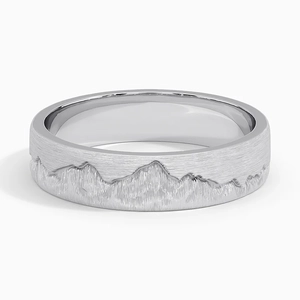
Everest 5mm Wedding Ring
Everest 5mm Wedding Ring A breathtaking landscape of Mount Everest adorns a…
0 reviews
Men's Wedding Bands -

3.06 Ct. Fancy Intense Yellow Cushion Lab Grown Diamond
About Ebooom:Discover the brilliance of lab-grown diamonds, a perfect blend of l…
0 reviews
Create You Own -

2.08 Ct. Fancy Pink Radiant Lab Grown Diamond
About Ebooom:Discover the brilliance of lab-grown diamonds, a perfect blend of l…
0 reviews
Pink Diamond