
Signet Jewelers Forges Alliance to Boost Lab-Grown Diamond Jewelry Selection
Featured
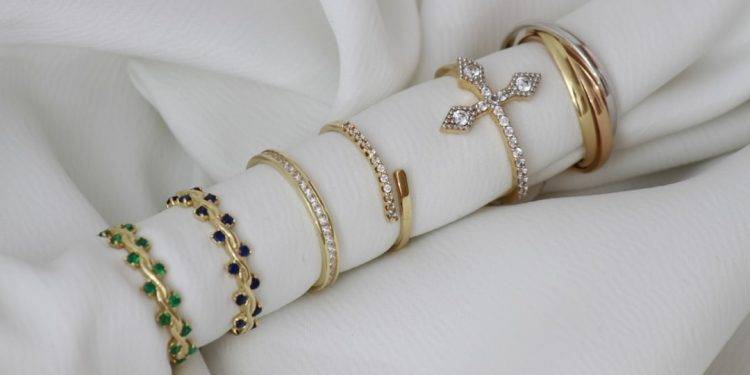
Signet Jewelers, the world’s largest retailer of diamond jewelry, is strategically partnering with a prominent laboratory-grown diamond producer. This move aims to significantly broaden the availability of lab-grown diamond jewelry options for consumers across Signet’s diverse retail banners.
The collaboration signals a deepening commitment from Signet to the rapidly expanding lab-grown diamond market. As consumer acceptance and demand for these stones continue to rise, retailers are increasingly seeking ways to integrate them into their existing product lines. This partnership will allow Signet to offer a more comprehensive and diverse range of lab-grown diamond jewelry, catering to a wider spectrum of customer preferences and budgets.
Strategic Implications for Signet Jewelers
This alliance is a calculated maneuver by Signet to solidify its position in the evolving diamond landscape. The lab-grown diamond sector has witnessed exponential growth in recent years, driven by factors such as affordability, ethical considerations, and environmental consciousness. By aligning with a leading producer, Signet gains enhanced access to a consistent supply of high-quality lab-grown diamonds, ensuring it can meet the escalating demand without compromising on quality or value.
The partnership also allows Signet to leverage the producer’s expertise in lab-grown diamond technology and manufacturing processes. This collaboration can lead to the development of innovative jewelry designs and the introduction of new product categories, further differentiating Signet’s offerings in the market. Moreover, it provides Signet with greater control over its supply chain, mitigating potential risks associated with sourcing and ensuring adherence to ethical and sustainability standards. Signet’s commitment to responsible sourcing is a key element in their overall business strategy, and this partnership reinforces that commitment.
The Growing Appeal of Lab-Grown Diamonds
The surge in popularity of lab-grown diamonds can be attributed to several key factors. Firstly, they offer a more affordable alternative to mined diamonds, making diamond jewelry accessible to a broader range of consumers. This price advantage is particularly appealing to younger generations, who are increasingly price-conscious and value-driven. This is especially true with lab-grown engagement rings, which allow consumers to purchase a larger carat size for the same budget.
Secondly, lab-grown diamonds are often perceived as a more ethical and sustainable choice compared to mined diamonds. The mining process can have significant environmental and social impacts, including habitat destruction, water pollution, and human rights abuses. Lab-grown diamonds, on the other hand, are created in controlled laboratory environments, minimizing these negative externalities. Consumers are becoming increasingly aware of these issues and are actively seeking out products that align with their values.
Thirdly, advances in technology have significantly improved the quality and appearance of lab-grown diamonds. Today’s lab-grown diamonds are virtually indistinguishable from mined diamonds, possessing the same brilliance, fire, and scintillation. This technological advancement has removed any perceived compromise in quality, making lab-grown diamonds a compelling option for discerning consumers.
Impact on the Diamond Industry
Signet’s partnership with a lab-grown diamond producer is likely to have a ripple effect throughout the diamond industry. It signals a growing acceptance of lab-grown diamonds as a legitimate and viable alternative to mined diamonds. This acceptance could lead to further consolidation within the industry, with more retailers and manufacturers embracing lab-grown diamonds as part of their product portfolios. The Global Jewelry Sourcing Index will likely reflect this shift as lab-grown diamonds become a more significant component of global sourcing strategies.
The increased competition from lab-grown diamonds may also put pressure on mined diamond producers to improve their sustainability practices and address concerns about ethical sourcing. Consumers are demanding greater transparency and accountability in the diamond supply chain, and mined diamond producers will need to respond to these demands in order to maintain their market share. Initiatives such as the Kimberley Process have been instrumental in combating conflict diamonds, but there is still room for improvement in areas such as environmental protection and labor rights.
Consumer Choice and Transparency
The availability of lab-grown diamonds empowers consumers with greater choice and control over their purchasing decisions. They can now select diamonds that align with their values, budget, and preferences. However, it is crucial that retailers provide clear and accurate information about lab-grown diamonds, distinguishing them from mined diamonds and highlighting their unique characteristics. Transparency is essential for building consumer trust and ensuring informed decision-making.
Education is also key. Consumers need to understand the differences between mined and lab-grown diamonds, including their origins, manufacturing processes, and environmental impacts. Retailers should invest in training their staff to effectively communicate this information to customers. Furthermore, independent certification and grading of lab-grown diamonds can help to ensure quality and authenticity, providing consumers with added confidence in their purchases. Signet’s commitment to ethical sourcing and transparency will be vital in ensuring consumer confidence in this growing market segment. Resources like the Sourcing Integrity and Verification Protocol provide a framework for ensuring that lab-grown diamonds meet the highest standards of ethical production and sourcing.
The Future of Diamond Jewelry
The diamond jewelry market is undergoing a significant transformation, driven by technological innovation, changing consumer preferences, and growing concerns about sustainability. Lab-grown diamonds are playing an increasingly important role in this transformation, offering a compelling alternative to mined diamonds. As technology continues to advance and consumer awareness increases, the lab-grown diamond market is poised for further growth and innovation.
Retailers who embrace this trend and adapt their business models to accommodate lab-grown diamonds are likely to thrive in the future. This includes investing in marketing and education initiatives to promote lab-grown diamonds, developing innovative jewelry designs that showcase their unique characteristics, and ensuring transparency and ethical sourcing throughout the supply chain. The Jewelry Business Growth Playbook offers valuable insights and strategies for retailers looking to capitalize on the growing demand for lab-grown diamonds.
Signet Jewelers’ partnership with a leading lab-grown diamond producer is a significant step in this direction. It demonstrates a commitment to meeting the evolving needs of consumers and embracing the future of diamond jewelry. By offering a wider selection of lab-grown diamond jewelry, Signet is positioning itself as a leader in the industry and ensuring its continued success in the years to come.
Ultimately, the future of diamond jewelry will likely involve a combination of both mined and lab-grown diamonds. Each type of diamond offers unique characteristics and appeals to different consumer segments. By providing consumers with a diverse range of options and ensuring transparency and ethical sourcing, the diamond industry can build trust and maintain its relevance in a rapidly changing world.
The move by Signet underscores a broader trend of established jewelry retailers acknowledging and integrating lab-grown diamonds into their core business strategies. This shift is not simply a reaction to market trends but a proactive adaptation to the evolving values and preferences of modern consumers. As awareness of environmental and ethical considerations grows, the demand for sustainable and responsibly sourced jewelry will only continue to increase. Signet’s partnership signals a commitment to meeting this demand and solidifying its position as a leader in the diamond jewelry market.
The specific details of the partnership, such as the volume of diamonds to be supplied and the exclusivity of certain designs, will be closely watched by industry analysts. These details will provide further insights into the strategic implications of the collaboration and its potential impact on the broader diamond market. The industry will also be keen to see how Signet integrates lab-grown diamonds into its marketing and merchandising strategies, and how it communicates the value proposition of these stones to consumers.
In conclusion, Signet Jewelers’ strategic alliance with a prominent lab-grown diamond producer marks a significant milestone in the evolution of the diamond jewelry industry. It reflects the growing acceptance and demand for lab-grown diamonds, and it underscores the importance of sustainability and ethical sourcing in today’s market. By embracing this trend, Signet is positioning itself for continued success and solidifying its leadership position in the global diamond jewelry market.