
AI-Driven Personalization Reshapes the Jewelry Retail Landscape
Featured
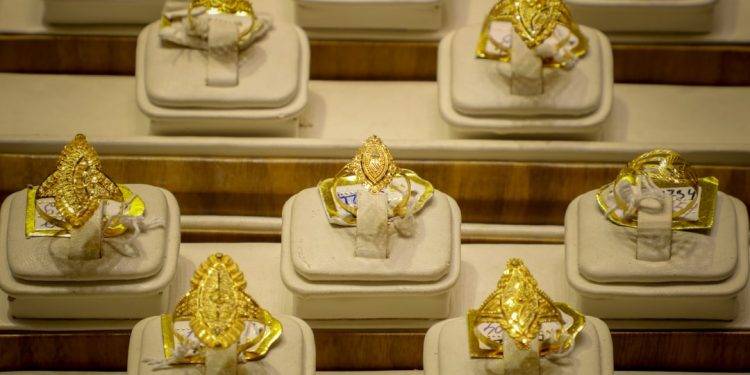
Artificial intelligence is rapidly transforming the jewelry sector, particularly in the realm of personalization. Retailers are increasingly adopting AI-powered tools to offer bespoke designs, leading to enhanced customer engagement and satisfaction.
The quest for unique and meaningful jewelry pieces has always been a driving force in the industry. Now, thanks to advancements in artificial intelligence, jewelers are equipped with unprecedented capabilities to cater to individual preferences. These AI-driven personalization tools are not just a novelty; they represent a fundamental shift in how jewelry is designed, manufactured, and sold. They empower consumers to actively participate in the creation of their own personalized items, fostering a deeper connection with the pieces they acquire. This move towards customization is not merely a trend; it’s a reflection of a broader societal desire for individuality and self-expression.
At the heart of this transformation lies the ability of AI algorithms to analyze vast amounts of data, including customer preferences, style trends, and design elements. By understanding these intricate relationships, AI can generate design suggestions that align perfectly with individual tastes. For instance, a customer might upload a picture of their favorite floral arrangement, and the AI would analyze the colors, shapes, and overall aesthetic to propose a jewelry design that reflects those elements. This level of personalization goes far beyond simply engraving a name or choosing a gemstone; it involves creating truly unique pieces that resonate with the customer’s personal identity.
Enhancing the Customer Experience
The benefits of AI-powered personalization extend far beyond just the design process. These tools significantly enhance the overall customer experience, making it more engaging, interactive, and satisfying. Imagine a customer browsing an online jewelry store and being presented with design recommendations tailored to their past purchases, browsing history, and social media activity. This level of personalization creates a sense of being understood and valued, fostering a stronger connection between the customer and the brand. Furthermore, AI can be used to create virtual try-on experiences, allowing customers to see how a piece of jewelry would look on them before making a purchase. This reduces the risk of returns and increases customer confidence in their buying decisions. The Jewelry Business Growth Playbook can further assist retailers in implementing these new technologies.
Moreover, AI can streamline the communication process between the jeweler and the customer. Chatbots powered by natural language processing can answer customer inquiries, provide design advice, and guide them through the personalization process. This frees up human staff to focus on more complex tasks, such as crafting intricate designs or providing personalized consultations. By automating routine tasks and enhancing communication, AI can help jewelers deliver a more efficient and satisfying customer experience.
The Technology Behind the Trend
Several key technologies are driving the rise of AI-powered jewelry personalization. Generative design algorithms, for example, can automatically create a multitude of design options based on a set of constraints and preferences. These algorithms can explore a vast design space, generating innovative and unexpected solutions that a human designer might not have considered. Machine learning algorithms can also be used to analyze customer feedback and identify patterns in design preferences. This information can then be used to refine the design process and improve the accuracy of the AI’s recommendations. Furthermore, advancements in 3D printing technology have made it possible to rapidly prototype and manufacture personalized jewelry designs, enabling jewelers to offer a wider range of customized options.
The integration of these technologies requires careful planning and execution. Jewelers need to invest in the necessary hardware and software, as well as train their staff to use these tools effectively. However, the potential return on investment is significant, as AI-powered personalization can lead to increased sales, improved customer loyalty, and a stronger brand reputation. It’s also essential to consider the ethical implications of using AI in jewelry design. Jewelers need to ensure that their AI algorithms are fair, unbiased, and transparent. They also need to protect customer data and respect their privacy.
Impact on the Jewelry Supply Chain
The rise of AI-powered personalization is also having a ripple effect on the jewelry supply chain. As customers demand more customized and unique pieces, jewelers are increasingly turning to smaller, more agile suppliers who can accommodate their needs. This is creating new opportunities for independent designers and artisans who specialize in creating bespoke jewelry. Furthermore, AI can be used to optimize the supply chain, improving efficiency and reducing costs. For example, AI can be used to predict demand for specific materials and components, allowing jewelers to order them in advance and avoid stockouts. It can also be used to identify potential bottlenecks in the supply chain and optimize logistics. The Global Jewelry Sourcing Index can help businesses make informed decisions about their supply chain.
However, the increasing demand for personalized jewelry also presents challenges for the supply chain. Jewelers need to ensure that their suppliers are able to meet their quality standards and ethical requirements. They also need to be transparent about the origin and sourcing of their materials. The Sourcing Integrity and Verification Protocol is vital for maintaining consumer trust and ensuring ethical sourcing practices.
The Future of Jewelry Personalization
Looking ahead, the future of jewelry personalization appears bright. As AI technology continues to evolve, we can expect to see even more sophisticated and personalized design tools emerge. Imagine a future where customers can design their own jewelry using virtual reality interfaces, or where AI can automatically generate designs based on biometric data, such as heart rate or brainwave activity. The possibilities are truly endless. Furthermore, the increasing adoption of sustainable and ethically sourced materials is likely to drive further innovation in the jewelry industry. Customers are increasingly demanding that their jewelry be not only beautiful but also environmentally and socially responsible. This is creating new opportunities for jewelers to create personalized pieces that reflect their customers’ values.
In conclusion, AI-powered personalization is transforming the jewelry retail landscape, offering jewelers unprecedented opportunities to enhance the customer experience, streamline their operations, and create truly unique and meaningful pieces. By embracing this technology and focusing on sustainability and ethical sourcing, jewelers can position themselves for success in the ever-evolving jewelry market.
Recommended products
-
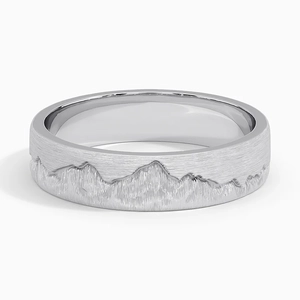
Everest 5mm Wedding Ring
Everest 5mm Wedding Ring A breathtaking landscape of Mount Everest adorns a…
0 reviews
Men's Wedding Bands -
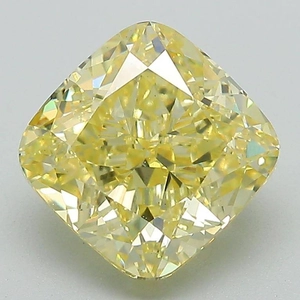
3.06 Ct. Fancy Intense Yellow Cushion Lab Grown Diamond
About Ebooom:Discover the brilliance of lab-grown diamonds, a perfect blend of l…
0 reviews
Create You Own -
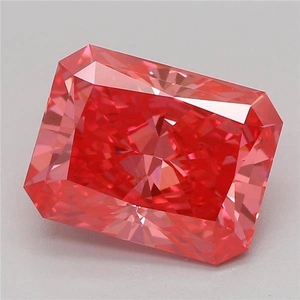
2.08 Ct. Fancy Pink Radiant Lab Grown Diamond
About Ebooom:Discover the brilliance of lab-grown diamonds, a perfect blend of l…
0 reviews
Pink Diamond