
Indian Diamond Exports Shine with Impressive Growth Surge
Featured
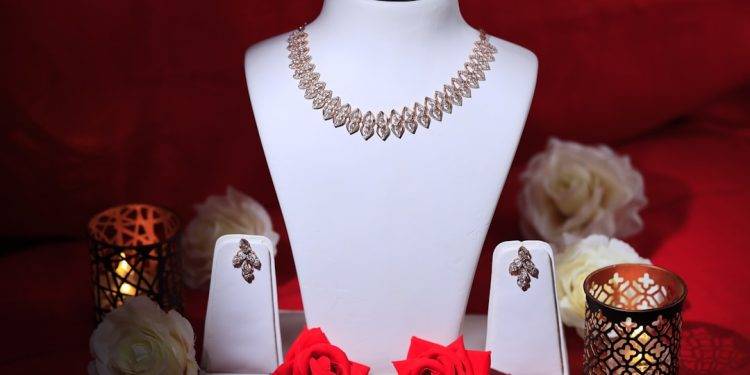
India’s diamond export sector is experiencing a significant upswing, demonstrating robust expansion driven by heightened demand in prominent global markets. This growth underscores the pivotal role of India’s diamond cutting and polishing industry within the international diamond pipeline.
India’s Diamond Export Sector Sees Significant Expansion
India’s diamond exports are currently experiencing a period of substantial growth, marking a notable upswing in the nation’s contribution to the global diamond market. This expansion is fueled by robust demand emanating from key international markets, highlighting the enduring importance of India’s diamond cutting and polishing industry.
The double-digit growth in diamond exports signals a positive trajectory for the Indian gem and jewelry sector, which is a significant contributor to the country’s economy. This performance reflects the industry’s resilience and its ability to adapt to evolving global market dynamics. The Global Jewelry Sourcing Index highlights India’s strength as a major sourcing hub, particularly for diamonds.
Key Factors Driving the Export Growth
Several factors are contributing to the surge in diamond exports from India. Strong demand from key markets, including the United States, China, and Europe, is playing a crucial role. These regions continue to be major consumers of diamonds, driving demand for polished stones processed in India. Furthermore, the Indian diamond industry’s focus on quality, precision, and cost-effectiveness enhances its competitiveness in the global market.
Another contributing factor is the increasing preference for smaller, more affordable diamonds. The Indian diamond industry has excelled in cutting and polishing these stones, catering to a wider range of consumers. This specialization has allowed India to maintain its position as a leading exporter of polished diamonds, even as market trends shift.
The government’s support for the gem and jewelry sector through various initiatives and policies is also bolstering export growth. These initiatives include promoting technological upgrades, providing access to finance, and streamlining export procedures. Such measures are helping the industry enhance its efficiency and competitiveness in the global market.
The Role of India’s Cutting and Polishing Industry
India’s diamond cutting and polishing industry is the backbone of the country’s diamond export sector. The industry employs millions of skilled artisans who meticulously cut and polish rough diamonds sourced from around the world. Their expertise and craftsmanship are essential to transforming rough stones into polished gems that meet the stringent quality standards of the global market.
The industry has a long and rich history, with generations of artisans passing down their skills and knowledge. This tradition of craftsmanship, combined with modern technology, enables India to produce diamonds of exceptional quality and brilliance. The industry’s ability to cater to diverse customer preferences, from small melee diamonds to larger, high-value stones, further enhances its global competitiveness.
The cutting and polishing industry is concentrated in several key centers across India, including Surat, Mumbai, and Jaipur. These centers boast state-of-the-art infrastructure and a skilled workforce, making them ideal locations for diamond processing. The industry’s presence in these regions also contributes significantly to local economies, providing employment and supporting related businesses.
Challenges and Opportunities
While India’s diamond export sector is experiencing robust growth, it also faces several challenges. One of the key challenges is the fluctuating price of rough diamonds, which can impact the industry’s profitability. Supply chain disruptions, geopolitical uncertainties, and evolving consumer preferences also pose challenges to the sector.
However, the Indian diamond industry also has several opportunities to further enhance its growth and competitiveness. One opportunity is to invest in advanced technologies such as automation and artificial intelligence to improve efficiency and productivity. These technologies can help reduce costs, enhance quality, and streamline operations.
Another opportunity is to focus on value-added services such as diamond grading, certification, and jewelry design. By offering these services, the Indian diamond industry can capture a larger share of the global diamond value chain. Furthermore, promoting ethical and sustainable practices can enhance the industry’s reputation and appeal to environmentally conscious consumers.
Sustainability and Ethical Sourcing
In recent years, there has been increasing emphasis on sustainability and ethical sourcing in the diamond industry. Consumers are becoming more aware of the social and environmental impact of their purchases, and they are demanding greater transparency and accountability from diamond suppliers. The Sourcing Integrity and Verification Protocol is crucial for ensuring ethical practices.
The Indian diamond industry is responding to these demands by adopting more sustainable and ethical practices. Many companies are implementing measures to reduce their environmental footprint, such as using renewable energy, conserving water, and minimizing waste. They are also working to ensure that their operations comply with international labor standards and human rights principles.
Furthermore, the industry is actively promoting traceability and transparency in the diamond supply chain. Initiatives such as the Kimberley Process Certification Scheme (KPCS) are helping to prevent conflict diamonds from entering the market. Many companies are also implementing their own due diligence programs to ensure that their diamonds are sourced responsibly.
The Future Outlook
The future outlook for India’s diamond export sector remains positive. The global demand for diamonds is expected to continue to grow, driven by rising incomes and increasing consumer spending in key markets. The Indian diamond industry is well-positioned to capitalize on this growth, thanks to its skilled workforce, advanced technology, and competitive pricing.
However, the industry must continue to adapt to evolving market trends and address the challenges it faces. By investing in innovation, promoting sustainability, and strengthening its supply chain, the Indian diamond industry can maintain its position as a leading player in the global diamond market. The Jewelry Business Growth Playbook offers strategies for navigating these changes.
The government’s continued support for the gem and jewelry sector will also be crucial. By providing access to finance, promoting technological upgrades, and streamlining export procedures, the government can help the industry enhance its competitiveness and achieve its full potential. Collaboration between industry, government, and other stakeholders is essential to ensure the long-term sustainability and success of India’s diamond export sector.
Conclusion
India’s diamond export sector is currently experiencing a period of significant growth, driven by strong demand from key global markets. The country’s cutting and polishing industry continues to play a vital role in the global diamond supply chain. While challenges remain, the industry is well-positioned to capitalize on future opportunities by investing in innovation, promoting sustainability, and strengthening its supply chain. With continued support from the government and collaboration among stakeholders, India’s diamond export sector can maintain its position as a leading player in the global diamond market and contribute significantly to the country’s economic growth.
Recommended products
-

14K Yellow GoldCapricorn Zodiac Diamond Pendant
14K Yellow GoldCapricorn Zodiac Diamond Pendant$995A sea goat embossed on a disc…
0 reviews
Religious Jewelry -

14K Yellow GoldLuxe Capricorn Zodiac Pavé Pendant
14K Yellow GoldLuxe Capricorn Zodiac Pavé Pendant$1,295A shining diamond halo an…
0 reviews
Religious Jewelry -
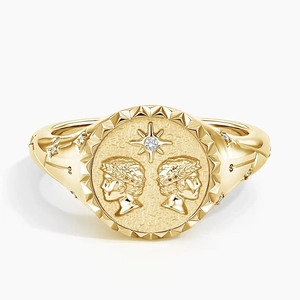
Gemini Zodiac Diamond Signet Ring
An embossed pair of twins and a starlike diamond empower this signet and its wea…
0 reviews
Religious Jewelry -
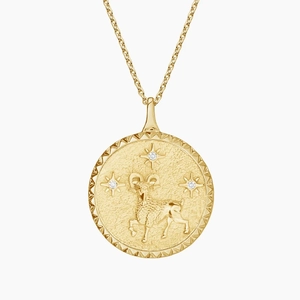
Aries Zodiac Diamond Pendant
Aries Zodiac Diamond Pendant$995A ram embossed on a disc adorned with three star…
0 reviews
Religious Jewelry