
Widespread concern around New Zealand’s retail crime strategy
Featured

Industry representatives in New Zealand have raised concerns about a proposed legal provision that would permit citizens to arrest suspected offenders in retail environments.
The proposed Crimes Amendment Bill provision would also introduce new offences for attacks on first responders and prison officers, address coward punches, establish a shoplifting infringement system, and strengthen laws against trafficking and people-smuggling. The Justice Committee is reviewing submissions on the Bill, which was proposed by the Government’s Ministerial Advisory Group for Victims of Retail Crime. Carolyn Young, CEO of Retail NZ, emphasised that prioritising crime prevention is safer than allowing citizens’ arrests. “It would mean anyone could perform a citizen’s arrest and use restraints on another person,” she said. “There would be no age restrictions, so it would include children, and would apply to any perceived offence – for example, taking a bottle of water.” Young warned that allowing the use of force to defend property could encourage offenders to arm themselves, increasing the risks to staff and bystanders. “Our members have told us they will prohibit their staff from undertaking a citizen’s arrest in stores, but they cannot stop members of the public from doing so,” he said. “Enabling citizens’ arrest contravenes a business owner’s duty under the Health and Safety at Work Act to ensure workplace safety.” Young noted that police resources are already stretched and that the Bill’s provisions are unlikely to reduce retail crime. She warned these measures could encourage vigilantism and decrease store safety. The New Zealand Police Association (NZPA) also challenged the proposal. Both associations warned that the Bill would place untrained civilians in situations better managed by trained police, creating legal and operational risks.
"It would mean anyone could perform a citizen’s arrest and use restraints on another person."
Carolyn Young, Retail NZ
Recommended products
-
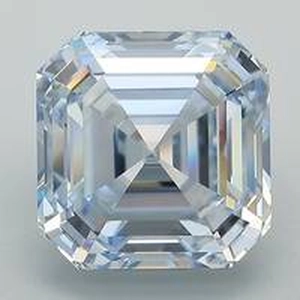
5.16 Ct. Fancy Blue Asscher
This 5.16 carat blue Asscher Lab created diamond was customized by a 5-year-old …
0 reviews
Create You Own Only a few left -
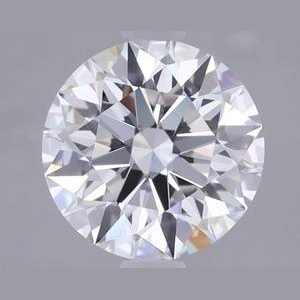
1.51 Carat Round Lab Created Diamond Super Ideal Cut • D Color • VVS2 Clarity
A 1.51 carat circular laboratory made diamond with a texture of eight hearts and…
0 reviews
Loose Diamond & White Diamond Only a few left -
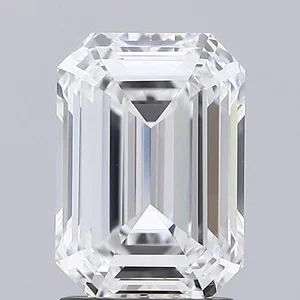
2.00 Carat Emerald Lab Created Diamond Super Ideal Cut • D Color • VVS2 Clarity
2.00 Carat Emerald Laboratory Diamond ManufacturingSuper ideal cutting • D color…
0 reviews
Loose Diamond & White Diamond Only a few left