Antwerp Industry Seeks Greater Transparency for Lab-Grown
Featured
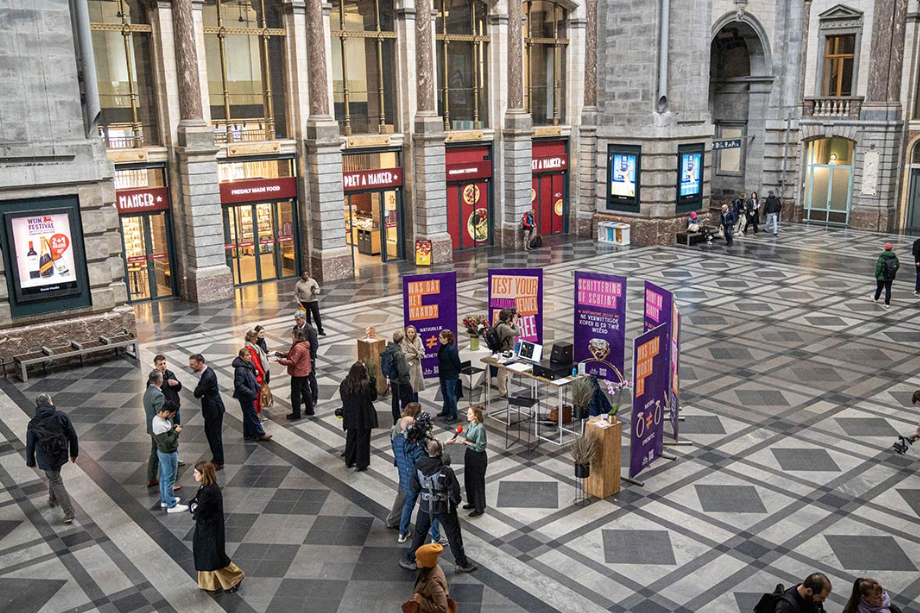
The Antwerp World Diamond Centre (AWDC) is holding a public event through which it will warn consumers about the risk of deception when purchasing natural jewelry.
The organization will be located at the Antwerpen-Centraal railway station and will scan passengers’ jewelry to discover whether it contains natural or synthetic diamonds, it said Tuesday. The initiative is the AWDC’s attempt to raise awareness among consumers that not all jewelers divulge when diamonds are lab-grown versus natural.
“Natural and synthetic diamonds look identical to the naked eye,” said AWDC CEO Karen Rentmeesters. “A natural diamond worth $8,900 will have a synthetic alternative worth about $100. Anyone who does not know the difference therefore risks buying a jewel with synthetic diamonds while paying the price of a natural-diamond jewel.”
In 2023, Belgium adopted a royal decree requiring jewelers to issue documentation informing customers about the characteristics of their diamond, including the weight and whether it’s natural or lab-grown. However, retailers don’t always comply with the ruling, Rentmeesters explained.
David Clarinval, Belgium’s minister of economy, is trying to advance a move that would require online and in-store sellers, as well as advertisers, to mark lab-grown as synthetic. He is also attempting to regulate the use of the word “diamond” without modifiers to refer only to natural stones. If enacted, that ruling would emulate the Federal Trade Commission (FTC) decision in the US in 2018, as well as similar undertakings in France and India in 2024.
“Anyone buying a diamond must know exactly what they are purchasing,” Clarinval stated. “Today, however, there is still too much confusion in the diamond sector. This is a matter of transparency for consumers and fairness towards our diamond sector.”
Image: The AWDC demonstration at the railway station. (Antwerp World Diamond Centre)