Have You Seen Jewels Like These? The British Museum Wants to Know
Featured
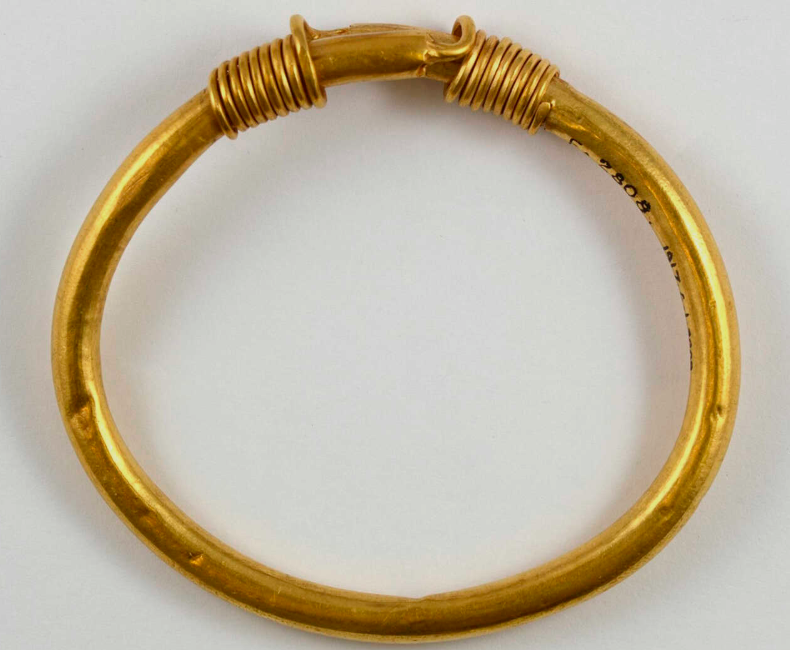
The British Museum has created a webpage to aid in the recovery of the approximately 2,000 jewels stolen from one of its storerooms by an employee. The webpage contains images of pieces in the museum’s collection that are similar to those that were taken, like this gold bracelet from Rome in the 2nd-3rd century A.D. (Photo courtesy of the British Museum)
London—The British Museum is asking for the public’s help in recovering more than 1,000 pieces of ancient Greek and Roman jewelry snatched from a storeroom by a museum employee.
On Tuesday, the London museum issued an update on its search for the stolen antiquities and launched a webpage dedicated to recovering the items.
The webpage does not contain images of the exact pieces of jewelry that were stolen—museum officials said recovery specialists advised them against doing so—but shows similar pieces still in the museum’s collection.
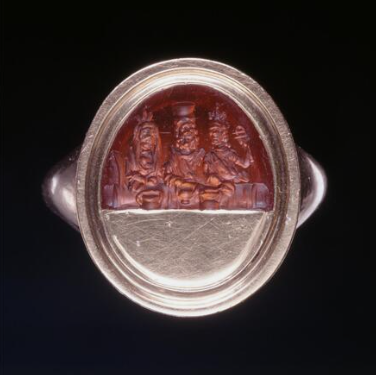
It is looking for gems, cameos and intaglios, either loose or set in jewelry, made of gemstones like sard, sardonyx and amethyst or glass that date to Greece’s Hellenistic period or the Roman Empire.
They could be carved with the likenesses of famous individuals from ancient times, mythological scenes, animals, or objects. The museum described the gems as being of “varied quality,” and said some may be fragmentary or otherwise damaged.
Also missing are gold earrings, rings, necklaces, and bracelets, mostly from the Late Bronze Age (about 15th to 11th century B.C.) and the Hellenistic and Roman periods.
The British Museum first publicly acknowledged the missing, stolen and damaged gold jewelry and gemstones via a press release issued Aug. 16.
It said the objects in question had been kept in a storeroom and used largely for academic research purposes; they had not been on display recently.
The museum fired a staff member in connection with thefts and said it would be pressing charges. Its director, Hartwig Fischer, resigned a week later.
It then turned the case over to London’s Metropolitan Police. No arrests have been made, according to a New York Times story from earlier this month.
On Tuesday, the museum said it has gotten back 60 of the approximately 2,000 items stolen, while 300 more have been identified as belonging to the museum and are expected to be returned shortly.
It said it has assembled an international panel of experts, including James Ratcliffe from the Art Loss Register and Lynda Albertson from the Association for Research into Crimes against Art, to aid in the return of the rest of the jewels.
It also has placed the missing items on the Art Loss Register, the world’s largest private database of stolen, lost, and looted art and antiquities.
The museum has established an “email hotline” for anyone who thinks they might have seen these jewels or have any other information on the case.
The email is: recovery@britishmuseum.org.
It said it expects to provide updates in the coming months regarding any items it has recovered.