
𝗕𝗢𝗧𝗦𝗪𝗔𝗡𝗔 𝗦𝗛𝗢𝗨𝗟𝗗 𝗠𝗔𝗞𝗘 𝗧𝗛𝗘 𝗖𝗨𝗧𝗧𝗜𝗡𝗚 & 𝗣𝗢𝗟𝗜𝗦𝗛𝗜𝗡𝗚 𝗜𝗡𝗗𝗨𝗦𝗧𝗥𝗬 𝗖𝗢𝗠𝗣𝗘𝗧𝗜𝗧𝗜𝗩𝗘 𝗧𝗢 𝗕𝗘 𝗦𝗨𝗦𝗧𝗔𝗜𝗡𝗔𝗕𝗟𝗘
Featured
T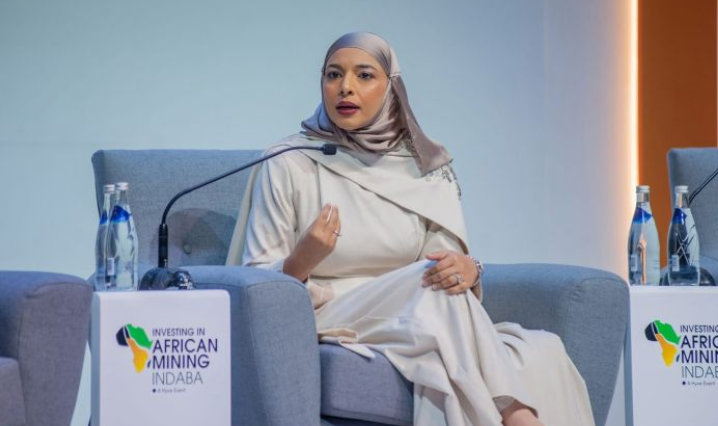
The Managing Director of Lucara Botswana, Naseem Lahri, has said that Botswana should make its cutting and polishing industry competitive in order for beneficiation to thrive.
“And I think from a beneficiation perspective, what we have done really well is, we have set up the polishing factories in the country, but they are not sustainable. We need to do something about that because they are not sustainable. We need to be competitive as a country. And I think this is where the government needs to get it right, because if you look at polishing in Botswana, it costs 70% more than it would in India,” she said when speaking at Mining Indaba in Cape Town, during a panel discussion themed, “For people and prosperity – making beneficiation work.”
She said that apart from the cutting and polishing industry being unsustainable due to cost, Botswana has done well, and all it needs to do is ensure the industry is able to bring costs down significantly to make it sustainable.
Lahri said Botswana has done well in the upstream sector as a country but noted there is a challenge in the downstream sector, indicating that it needs to change.
“It’s the downstream that we need to tackle. I always say, why do we need to take the diamonds out of our country? We need to process them from beginning to end in the country. I think that is very important for me—to keep the diamonds in the country, specifically looking at the jewellery market and the fashion market as well, which are flourishing internationally.”
Recommended products
-
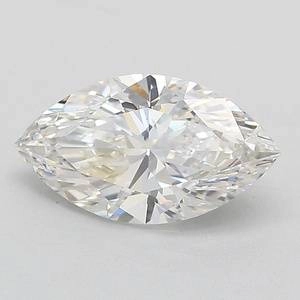
2.20 Carat Marquise Super Ideal Cut • G Color • VS1 Clarity
The radiance of diamond freedom!This olive pointed naked diamond, with excellent…
0 reviews
Loose Diamond & White Diamond -
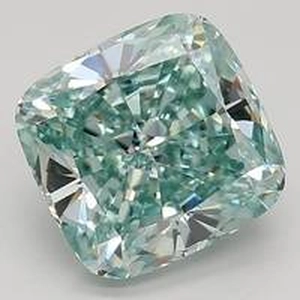
4.13 Ct. Fancy Vivid Green Cushion
This 4.13 carat bright green pad shaped diamond is a customized Christmas gift f…
0 reviews
Create You Own Only a few left -
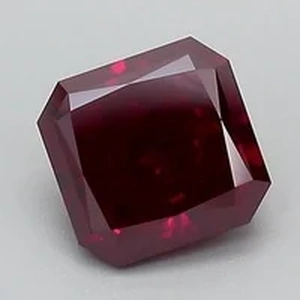
1.07 Ct. Fancy Red Radiant
This 1.07 carat laboratory created brilliant red shimmering diamond. A sports cl…
0 reviews
Create You Own -
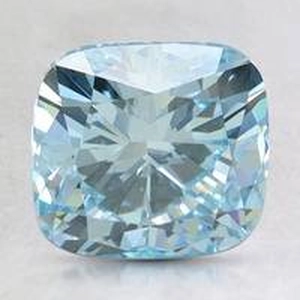
2.53 Ct. Fancy Intense Blue Cushion Lab Created Diamond
This 2.53 carat thick colored blue pad shaped laboratory created diamond has a r…
0 reviews
Blue Diamond Only a few left