De Beers’ Branded, Traceable Diamonds Roll Out to 19 Retailers
Featured
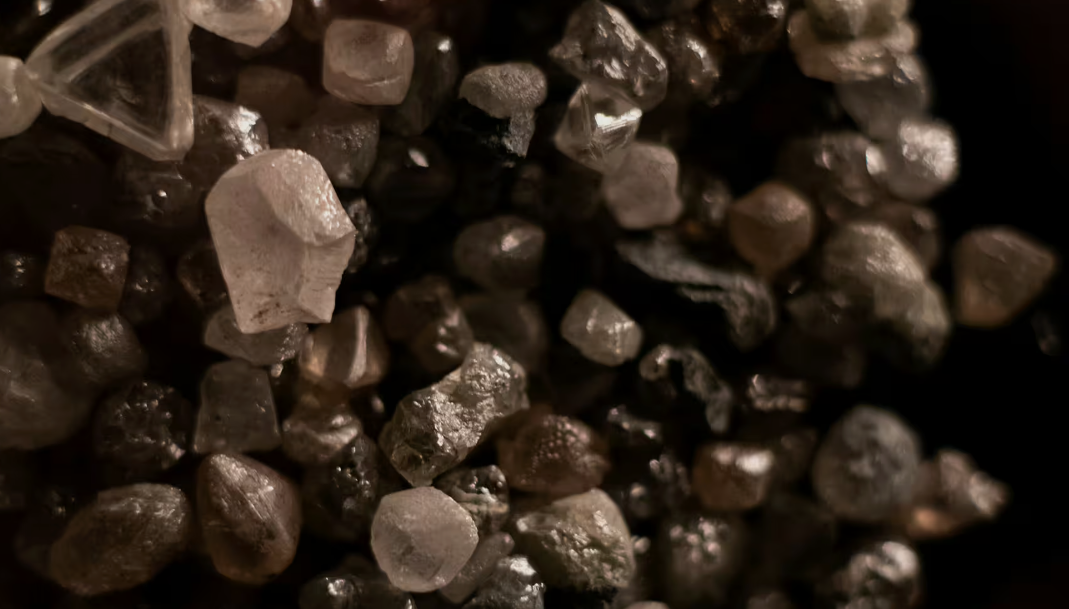 New York—“Origin De Beers Group,” De Beers’ new branded diamond that is traceable back to mine of origin, is now available in stores, the company announced this week.
Unveiled earlier this year, Origin diamonds are loose, high-quality polished stones that have been tracked from the mine all the way through the cutting and polishing process using Tracr, De Beers’ blockchain platform that’s been in development since 2018 and was launched at scale in 2022.
Two De Beers sightholders, Grandview Klein and Mahendra Brothers, are distributing the diamonds and 19 jewelers in the United States and Canada—all high-end independents—are carrying them.
(See below for the full list.)
Among them is J.R. Dunn Jewelers, an independent whose now-president, Sean Dunn, has been a vocal supporter of natural diamonds and the benefits they bring to the communities where they are mined.
In an interview Thursday, Dunn explained what consumers see when they come into his Lighthouse Point, Florida, store and interact with Origin De Beers Group diamonds.
All loose diamonds that are predominately 2 carats and up, the stones are housed in a branded display styled to look like a desertscape.
Dunn said there are QR codes on the display that correlate to each diamond.
When accessed, the QR code pulls up a page that gives consumers a plethora of information about the stone, including how it looked in rough form and how it was cut, as well as standard grading information (the four Cs).
The page states each diamond’s exact country of origin—either Botswana, Namibia, South Africa, or Canada—and shares information about the people surrounding the mine and the good diamonds have done for them.
It also provides what De Beers is calling the De Beers Group Natural Rarity Score, which takes into account a diamond’s carat weight, color, and clarity and measures it against De Beers’ production in a given year.
“I love it,” Dunn said when asked about having Origin De Beers Group diamonds in his store. “I’m very involved with the human side of it and I think about what this means for the countries and the beneficiation side of it.”
“That’s my favorite part, but I think my customer also have the part they love—a high-quality diamond,” he said.
Dunn doesn’t disagree when asked about the most common counterpoint to any discussion about diamond origin—that consumers never ask, and simply do not care, where their diamond comes from.
He said while that may be true, he thinks the issue of ethics lingers in the back of consumers’ minds, and it’s one of the reasons they give—whether true or not—when explaining why they chose a lab-grown diamond over a natural one.
“This (Origin De Beers Group) allows you to tell the human story of it and that’s a really big deal. It’s a rallying point for the industry,” Dunn said.
Origin De Beers Group is a culmination of years of time, effort, and money De Beers has poured into being able to trace diamonds from mine to market, and to relay the story of the diamond’s journey and impact at a retail level.
It’s a marketing tactic that’s used with other products and one that, in De Beers’ view, has been underutilized when it comes to its diamonds.
The company formally introduced the program earlier this year at its annual breakfast held during the Las Vegas shows.
In an interview with National Jeweler following the breakfast, De Beers CEO Al Cook discussed the company’s “fundamental belief” that people want to know the source of the goods they purchase, whether it’s a shirt, a steak, or coffee.
He acknowledged that when people enter a jewelry store, their first question is never, Where is this diamond from?
But De Beers wants it to be so it can share stories about the people who benefit from the economies its mines create, and the hundreds of millions of dollars it has spent on sustainability initiatives over the years, Cook said.
“It seems to us there’s a fantastic story to tell, and a story that hasn't been told well enough. We would like the customers of the future to ask the question, ‘Where is my diamond from? Is it ethical, is it sustainable, and is it responsible?’”
There are 17 retailers in the U.S. carrying Origin De Beers Group diamonds, and two in Canada, with the diamond stocked in a total of 30 doors.
The retailers are:
Bachendorf’s in the Dallas area;
Bijouterie Italienne P.M. Inc. in Montreal;
Blakeman’s Fine Jewelry in Rogers, Arkansas;
Brown & Co. Jewelers in Atlanta;
CH Premier Jewelers in California;
Gunderson’s Jewelers in the Midwest;
Hamra Jewelers in Scottsdale, Arizona;
Hamilton Jewelers in New Jersey and Florida;
J.R. Dunn Jewelers in Lighthouse Point, Florida;
Kimball’s Jewelers in Knoxville, Tennessee;
Korman Fine Jewelry in Austin, Texas;
London Jewelers in the New York City area;
Lugaro Jewellers in Canada;
Mountz Jewelers in Pennsylvania;
Razny Jewelers in the Chicago area;
Tara Fine Jewelry in Buford, Georgia;
Underwoods Fine Jewelers in Fayetteville, Arkansas;
Wempe in New York City; and
Windsor Jewelers in North Carolina.