
Jules Kim: Building Bridges Between Creators and Industry
Featured
Coco Chanel famously said, “If you want to be original, be ready to be copied.”
For those of us who spend our lives bringing unique designs into the world, her words hold a bittersweet truth.
While imitation is often framed as the sincerest form of flattery, it becomes disheartening when originality is stripped of its rightful ownership and tossed into the fast-moving current of consumerism.
Over the past two decades, my work as a designer has allowed me to contribute to the jewelry landscape in meaningful ways.
My creations have graced magazine covers, adorned cultural icons, and influenced trends that have since become standards in the industry.
Yet, as with many independent creators, this visibility often exposes our designs to replication or duplication, sometimes without acknowledgment or collaboration.
Welcome to “dupe” culture.
The Complexities of Creativity in Consumer Markets
Original design plays a vital role in shaping cultural and aesthetic landscapes. When a bold new idea gains traction, it evolves from a subcultural statement into a broader trend.
But in consumer industries driven by profitability, originality often takes a backseat to safe, established products guaranteed to be successes.
Too often, independent creators see their work appropriated by larger brands.
While intellectual property protection exists in theory, it remains difficult to enforce for smaller businesses and individuals.
The process of litigation is prohibitively expensive and time-consuming, and as a result, many of us simply cannot afford to defend the origin of our designs.
However, this article isn’t about drawing battle lines, as I believe in the potential for positive transformation.
The creative industries have an opportunity to approach originality not as a challenge but as an invitation.
A New Vision for Collaboration
When brands encounter a design or concept that resonates, they have a choice—replicate it or engage with its creator.
By choosing the latter, they unlock a wealth of possibilities.
Collaborations, consulting roles, and licensing agreements honor the skill, vision, and labor that go into the creative process.
They also elevate brands in the eyes of increasingly discerning consumers, who value transparency and authenticity.
Designers are not only creators but also partners in innovation.
The ideation process is not a commodity, it is a refined skill shaped by years of experience and experimentation.
When brands embrace this, they gain more than just a product; they gain access to a continuous stream of fresh ideas and insights that can propel their offerings forward.
Respecting the Process
The act of creating is deeply personal.
It is a balance of vulnerability and resilience, pleasure, and pain.
Respecting this process means more than just avoiding replication. It means fostering environments where creators and brands can come together to craft something truly extraordinary.
As creators, we don’t simply want to see our designs populate store shelves; we want to be part of the journey.
We want to help build a system that values originality, uplifts cultural contributions, and ensures that the stories behind each piece are told with integrity.
Toward a More Transparent Future
By forging direct, transparent relationships between brands and designers, the creative industries can redefine what success looks like.
It becomes less about exploiting trends and more about cultivating meaningful partnerships.
This shift benefits everyone—creators receive the recognition and compensation they deserve, brands gain a richer narrative to share with their audiences, and consumers experience products that carry authenticity and intention.
Let us move away from the transactional nature of replication and toward a future rooted in collaboration.
Together, we can maintain and re-establish what creativity truly is—a celebration of passion, skill, and the stories that connect us all.
Recommended products
-
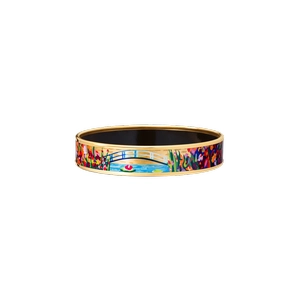
Bordered Bangle Miss
Bordered Bangle MissHommage à Claude Monet The BridgePerfect for ever…
0 reviews
FREYWILLE -
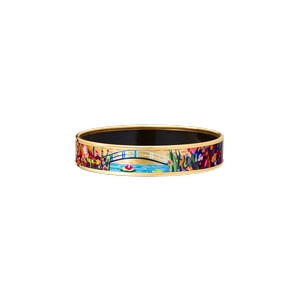
Bordered Bangle Miss
Bordered Bangle MissHommage à Claude Monet The BridgePerfect for ever…
0 reviews
FREYWILLE -
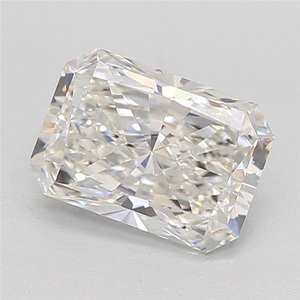
1.57 Carat Radiant Lab Diamond
About Ebooom:Discover the brilliance of lab-grown diamonds, a perfect blend of l…
0 reviews
Carbon Capture