Three reasons for cultivating diamonds to attract young consumers
Featured
We have recently had exchanges with dozens of industry friends internationally, including those engaged in natural diamond processing and trade, as well as those engaged in wholesale and retail of cultivated diamonds.
In continuous communication, we increasingly feel two emotions:
1) The obsession with natural diamonds. The reason for putting quotation marks is to indicate that this is not a derogatory term. On the contrary, this is a strong and almost persistent belief that natural diamonds are a promising product.
2) The acceptance of cultivating diamonds is somewhat helpless. The reason why it is said to be "slightly helpless" is because most people actually express emotions similar to "what can be done? Its impact on natural diamonds is too great" in communication.
The above "obsession" and "helplessness" are intertwined, forming a feeling conveyed to us by industry insiders currently in contact with us:
The development of cultivating diamonds is indeed controversial, some like it and some don't, but they must face reality.
This situation is not sudden, but can be traced back to multiple aspects such as history, society, and economy, making it very complex to put it specifically.
The blog post we recently read written by Israel's Sarine Diamond Technology Group may serve as a reference.
The blog post was published on January 12th and is titled "The New Real, A New Negative: Lab Brown Diamonds". It can be roughly translated as "The New Real, A New Negative: Lab Grown Diamonds".
Sarine listed three important reasons why cultivating diamonds attracts young people in the article——
1) Shining like natural diamonds
A key reason for the high enthusiasm of consumers for cultivating diamonds is that they exhibit the same physical, chemical, and optical properties as natural diamonds.
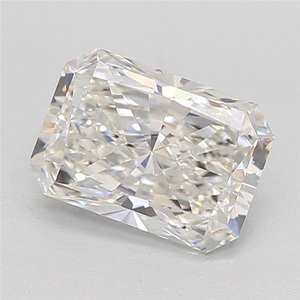
In recent years, technology has made significant progress, allowing scientists to reproduce the necessary conditions for diamond growth, thereby cultivating products that cannot be distinguished from natural diamonds from a visual perspective. Cultivated diamonds are as dazzling and charming as natural diamonds, and are subject to the same 4C standards and optical performance ratings.
2) Suitable for various budgets
In the traditional beliefs we had in the past, the price of an engagement diamond ring was roughly equivalent to three months of salary. But the emergence of cultivating diamonds has made this concept outdated.
Laboratory grown diamonds are about 80% cheaper than natural diamonds of the same grade, allowing many people who could not afford diamonds to purchase their favorite diamond products, allowing consumers to enjoy the luxury of diamonds without spending too much.
3) Considered more ethical by consumers
In addition to cost issues, ethical considerations surrounding diamond mining have also prompted many consumers to seek alternatives. The impact of diamond mining on the environment, labor issues, and sometimes controversial source issues are being promoted