
Why is it so common for business owners to resist fresh ideas?
Featured

Innovation is crucial to progress, not just in business but life more broadly. PAUL SLOANE explains the factors that contribute to our unwillingness to embrace change.
The widespread resistance to new ideas is one of humanity’s most fascinating paradoxes. We’re a species that thrives on innovation, yet we’re remarkably good at resisting change. This resistance isn’t just an interesting quirk; it has profound implications for our progress and well-being. Think about life-saving medical treatments that faced years of scepticism, or environmental solutions currently being resisted despite evidence of their need. It’s important to question why people so often avoid embracing new ideas and consider some reasons why people resist change and cling to what is familiar. Humans are creatures of habit and people naturally stick with what they know and trust. Even if something new might be better, we tend to think “if it ain’t broke, don’t fix it.” Loss aversion means that we worry more about what we might lose than what we might gain. Individuals who have spent years developing expertise in current systems or methods face both emotional and practical barriers to accepting new ideas that might devalue their highly-valued industry knowledge and experience. Imagine being an expert at typewriters when computers and word processors arrived! It’s all too common for new ideas that challenge core beliefs or cultural identities to trigger defensive responses. We build our sense of self around our beliefs and habits, and new ideas that challenge these can often feel like personal attacks. The unknown can be scary! Novel ideas introduce unknowns into previously predictable situations. This uncertainty triggers stress responses and risk aversion, making people prefer familiar solutions over potentially better but uncertain alternatives. Supporting new ideas can carry social and career risks. Nobody wants to look foolish because they backed the wrong horse. Innovation can be risky because if they fail, you might end up with an egg on your face. It can feel like the safer option to wait and let others test the waters first. New ideas that may redistribute power or influence can be intimidating. People who benefit from how things are in the present moment naturally resist change. If you’re winning at a game, you probably don’t want anyone changing the rules, even if the new rules might be fairer for everyone. Processing and implementing new ideas require mental energy and attention. When we’re already busy and stressed with our day-to-day responsibilities within a business, anything that requires us to think differently or learn new skills feels like extra homework we didn’t ask for. It’s common for new ideas to compete for limited resources such as time, money, and attention, as well as existing projects and priorities. This scarcity creates resistance when the benefits of new ideas are less certain than established approaches. These forms of resistance appear everywhere. In businesses, it may mean missing crucial opportunities, in communities and social settings, we might reject helpful changes, and on an individual level we may stick to harmful habits despite knowing better alternatives exist. Understanding why we resist new ideas isn’t just an academic exercise. It’s crucial for anyone trying to make positive changes in the world. It doesn’t matter if you’re a jewellery retailer hoping to improve your business, a teacher planning to introduce new methods, an entrepreneur launching new innovative products, or simply the leader of an organisation trying to implement necessary reforms. Understanding these resistance factors is crucial for anyone introducing new ideas. Success often requires: What makes this especially important is that the pace of change in our world is accelerating. From artificial intelligence to climate solutions, our ability to adapt to and embrace new ideas may determine how well we handle the challenges facing humanity. Without understanding and actively working to overcome this resistance, we risk clinging to outdated approaches even when better options are available.
Recommended products
-

Slim Rectangular Signet Ring
The signet ring ATERIALSTitaniumTitanium is our strongest material—it’s lightwei…
0 reviews
Men's Wedding Bands Only a few left -
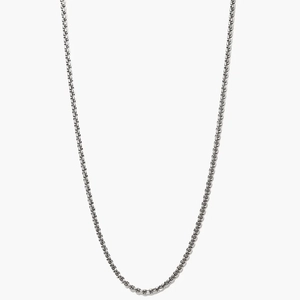
Round Box Chain Necklace
Simple is always best when it comes to your every day. Not too bold, not too min…
0 reviews
Men's Wedding Bands Only a few left -
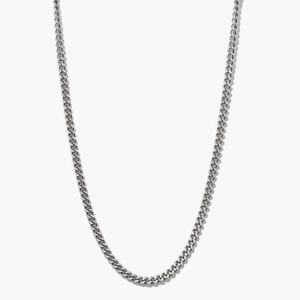
5mm Curb Chain Necklace
An update to a cMATERIALSTitaniumTitanium is our strongest material—it’s lightwe…
0 reviews
Men's Wedding Bands Only a few left -
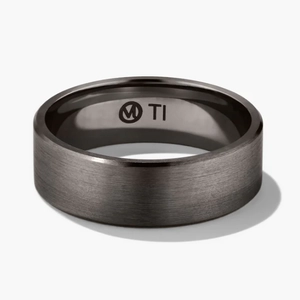
6mm Smooth Band Black Titanium
Lightweight and lasting, this band is everything you need to set off into your n…
0 reviews
Men's Wedding Bands Only a few left