
Choose to cultivate diamond dealers like choosing a doctor!
Featured
Before you want to customize and purchase nurturing diamonds as engagement or wedding rings, it is important to first understand the basic knowledge of nurturing diamonds
I1) Understand the quality standards of 4C diamonds
Graphic overlay of circular bright cut diamonds to illustrate the 4C standard (color, cut, clarity, and carat weight).
These basic knowledge not only uncover the mystery of diamond quality, but also help you understand the value and price of diamonds.
For most diamonds, color refers to the degree to which they are colorless. The lighter the color of a diamond, the higher its value and price. Some of these differences are difficult to distinguish with the naked eye, but they directly affect the overall quality and price of diamonds.
Clarity of diamonds measures the amount, size, and location of "inclusions" and "surface defects" in diamonds. The level range of cleanliness includes several levels from "flawless" (without defects) to "contained" (containing a large number of defects).
Diamond cutting does not refer to the shape of a diamond, but rather to the cutting ratio and arrangement of diamond facets, as well as the quality of the craftsmanship. The brightness, flicker, and color of diamonds are determined by the cutting process. The level of cutting includes several levels from "excellent" to "poor".
Carat refers to the weight of a diamond. Generally speaking, the larger the carat weight, the more expensive the diamond. However, if the carat weight of two diamonds is the same, then considering the other three standards (color, clarity, and cutting), the quality level and price of these two diamonds may vary significantly.
No matter how beautiful the appearance of a diamond may be, it cannot represent its true quality. The 4C standard for diamond quality will provide you with information on the true quality of diamonds.
Choose your jeweler like a doctor.
Your jewelry dealer should have received professional training, be willing to answer questions, and be able to provide answers in simple and clear language.
Professional training can help you evaluate the level of understanding of relevant knowledge among jewelry merchants. Jewellers are best trained through highly recognized internationally recognized courses, such as GIA's Graduate Gemologist (GG) or Applied Jeweller (AJP) Diploma courses. Professionally educated jewelers will not only explain the 4C standard for diamond quality to you, but also show you how diamonds with similar appearances differ. They will also encourage you to compare different diamonds within your budget.
3) Persist in obtaining appraisal certificates.
The diamond identification certificate issued by impartial and objective scientific institutions such as GIA is not only important information, but also proof of the diamond you purchased. The differences between diamonds can be very subtle, and even trained jewelers may not be able to distinguish them without the expertise of an appraisal agency. So, please be sure to request authoritative quality appraisal when purchasing diamonds
Recommended products
-
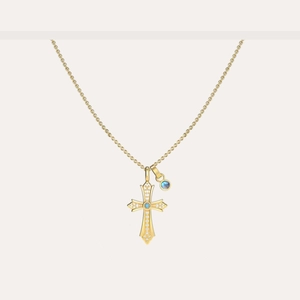
Faith Energy Cross Blue Diamond Pendant with Moonstone
0 reviews
Associated Organization showcase -
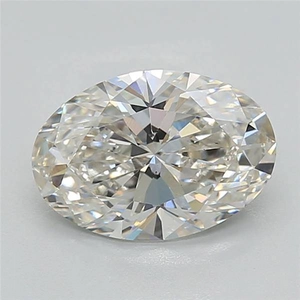
2.02 Carat Oval Lab Diamond
0 reviews
Carbon Capture -
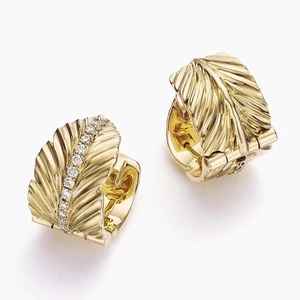
14K Yellow GoldJane Goodall Leaf Lab Diamond Huggie Earrings
0 reviews
Hot Sell -
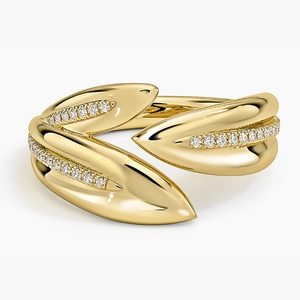
Jane Goodall Olive Branch Lab Diamond Ring (1/8 ct. tw.) in 14K Yellow Gold
0 reviews
Special Especially